Growing Vegetables
Unleashing the Power of Chili Leaves: 10 Health Benefits and Practical Uses
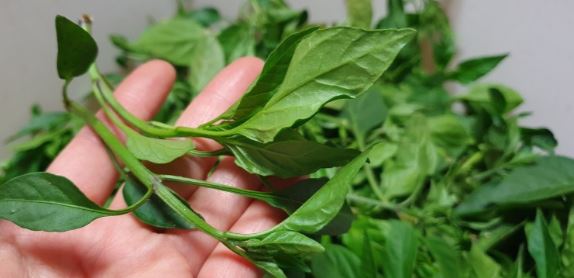
Chili peppers are a staple in kitchens worldwide, celebrated for their fiery flavor and versatility in cooking. But did you know that the leaves of chili plants, often discarded or overlooked, are packed with nutrients and offer numerous health benefits? Chili leaves, sometimes referred to as “chili greens,” are not only edible but can be used in a variety of culinary and medicinal applications. In this article, we’ll explore 10 compelling health benefits and practical uses of chili leaves that could make you rethink their place in your garden or kitchen.
1. Rich in Antioxidants
Chili leaves are a powerhouse of antioxidants, including flavonoids, phenolic compounds, and vitamins A and C. These antioxidants help neutralize harmful free radicals in the body, which can reduce the risk of chronic diseases such as heart disease, diabetes, and certain cancers. By incorporating chili leaves into your diet, you can boost your body’s natural defense mechanisms and support overall health.
2. Anti-Inflammatory Properties
Chili leaves contain bioactive compounds that have strong anti-inflammatory effects. Chronic inflammation is a contributing factor to many health problems, including arthritis, cardiovascular disease, and inflammatory bowel disorders. Consuming chili leaves, whether in salads or soups, can help reduce inflammation and support joint and digestive health.
3. Supports Digestive Health
Chili leaves are rich in dietary fiber, which aids in digestion and promotes gut health. Fiber helps regulate bowel movements, prevent constipation, and support the growth of beneficial gut bacteria. Additionally, the mild spicy compounds in chili leaves may stimulate the production of digestive enzymes, enhancing nutrient absorption.
4. Boosts Immunity
Packed with vitamin C, chili leaves are an excellent natural immune booster. Vitamin C plays a crucial role in strengthening the immune system, increasing the body’s ability to fight off infections, colds, and other illnesses. Adding chili leaves to your meals is an easy and tasty way to support immune health, especially during the colder months when colds and flu are common.
5. Rich in Vitamins and Minerals
Chili leaves are an excellent source of essential vitamins and minerals, including vitamin A, calcium, iron, and potassium. Vitamin A supports eye health and skin regeneration, calcium and potassium contribute to strong bones and muscle function, while iron is essential for maintaining healthy red blood cells and preventing anemia.
6. Helps Regulate Blood Sugar Levels
Preliminary studies suggest that chili leaves may help regulate blood sugar levels, making them a beneficial addition to the diet of those with diabetes or those at risk for the condition. The leaves’ natural compounds have been shown to improve insulin sensitivity, which can help maintain healthy blood sugar levels and prevent spikes or crashes.
7. Aids in Weight Management
Chili leaves may also aid in weight management due to their high fiber content and low calorie count. Fiber helps promote feelings of fullness and reduces appetite, preventing overeating. Additionally, the leaves contain capsaicin, the active compound in chili peppers that is known to boost metabolism and promote fat burning. Incorporating chili leaves into a balanced diet can support healthy weight loss efforts.
8. Improves Skin Health
The antioxidants and vitamins found in chili leaves, particularly vitamin C and vitamin A, play a key role in maintaining healthy, glowing skin. These nutrients help repair damaged skin cells, promote collagen production, and reduce the appearance of fine lines and wrinkles. Topically, chili leaves can be used in face masks to reduce acne or skin irritation, though it’s essential to test for any skin sensitivity first.
9. Natural Pain Reliever
Chili leaves contain compounds with mild analgesic properties, which can help alleviate pain and discomfort. Whether used in a topical paste or consumed as part of a tea, chili leaves may provide relief for conditions like headaches, menstrual cramps, or muscle pain. Their anti-inflammatory properties, combined with their pain-relieving effects, make them a natural remedy for mild aches and pains.
10. Versatile Culinary Use
Aside from their health benefits, chili leaves are also a versatile ingredient in the kitchen. They can be used fresh or cooked in a variety of dishes, from soups and stews to salads and stir-fries. In some cuisines, such as those of Southeast Asia and Africa, chili leaves are a common ingredient in traditional dishes like “sukuma” or “mafurawa.” When cooked, the leaves have a mild, slightly bitter flavor, making them an excellent addition to savory meals.
How to Use Chili Leaves:
- In Salads: Use fresh chili leaves as a substitute for other leafy greens like spinach or lettuce.
- In Soups and Stews: Add chili leaves to your soups, broths, or stews for an extra dose of vitamins and minerals.
- As a Tea: Steep chili leaves in hot water to make a soothing herbal tea with potential health benefits.
- As a Garnish: Finely chop chili leaves and sprinkle over dishes like curries, rice, or noodles for added flavor.
- In Smoothies: Blend chili leaves with fruits, vegetables, and other greens for a nutrient-packed smoothie.
Conclusion
Chili leaves are more than just a byproduct of growing chili peppers—they are a hidden gem in the world of health and nutrition. From their antioxidant-rich composition to their anti-inflammatory, digestive, and immune-boosting properties, these leaves offer a range of benefits that can enhance your overall well-being. Whether you choose to incorporate them into your meals or use them for their medicinal properties, chili leaves are a simple, natural way to support your health and add a unique twist to your culinary creations. Next time you’re trimming your chili plants, don’t toss those leaves—they might just become your new favorite superfood!

You must be logged in to post a comment Login