Plants
The Purple Maguey Plant — Benefits and Traditional Uses
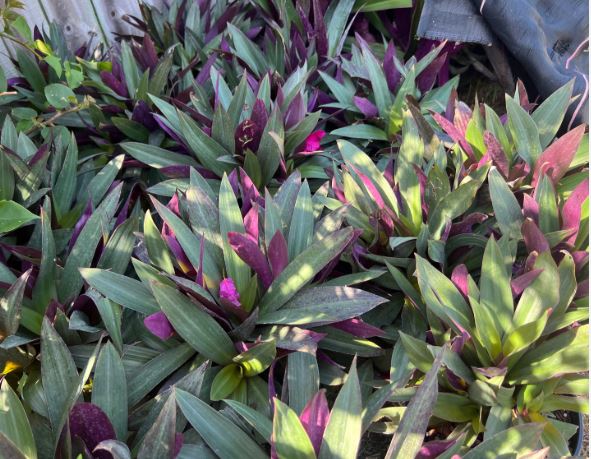
The Purple Maguey plant (Agave atrovirens or related purple-toned agave varieties) is a striking succulent native to Mexico and parts of Central America. Known for its vibrant purple hues and rosette-shaped leaves, this plant has been valued for centuries not only as an ornamental beauty but also as a source of food, drink, fiber, and traditional medicine. Its presence is deeply tied to indigenous culture and heritage, where it was considered a gift of nature with powerful healing and practical properties.
Nutritional and Medicinal Benefits
-
Natural Sweetener Source
The sap of maguey plants has long been used to make aguamiel (honey water), a naturally sweet, nutrient-rich beverage. It contains vitamins, minerals, and prebiotic compounds that support digestive health. -
Rich in Prebiotics
Purple maguey contains inulin, a type of soluble fiber that nourishes beneficial gut bacteria, improving digestion and overall gut health. -
Traditional Healing Uses
-
The leaves and sap were historically applied to wounds, burns, and skin irritations to promote faster healing.
-
Decoctions of the plant were sometimes used to ease respiratory problems, coughs, and digestive discomfort.
-
Some communities believed the maguey had detoxifying properties, aiding in cleansing the body.
-
-
Anti-inflammatory Properties
Folk medicine often used maguey extracts to reduce swelling, joint pain, and minor infections, making it a trusted plant for natural relief.
Traditional and Cultural Uses
-
Pulque Production
From its sweet sap, ancient Mesoamerican cultures created pulque, a mildly alcoholic, fermented drink still enjoyed today as part of Mexico’s cultural heritage. -
Food Preparation
The roasted hearts of maguey were eaten as a source of energy. Its fibers were also boiled or baked, producing a chewy, nutritious food. -
Textiles and Tools
The strong fibers of purple maguey leaves were stripped and used for ropes, mats, clothing, and brushes. Even today, maguey fiber, known as ixtle, is valued for its durability. -
Ritual and Symbolism
In indigenous traditions, maguey was often seen as a sacred plant symbolizing endurance, nourishment, and connection to the earth. Its use in festivals, ceremonies, and offerings reflects its deep spiritual significance.
Modern Interest and Sustainability
Today, the Purple Maguey plant continues to spark interest for its eco-friendly uses and health benefits. Its role in producing natural sweeteners and probiotics is gaining recognition in wellness communities. Moreover, as a drought-resistant succulent, it plays an important role in sustainable agriculture, thriving in arid environments where other crops fail.
🌱 How to Prepare the Purple Maguey Plant
1. For Drinking (Aguamiel and Pulque)
-
Harvesting the Sap (Aguamiel):
-
A cut is made at the heart (center) of the maguey plant.
-
The sweet sap, called aguamiel, is collected in containers.
-
Drink fresh as a natural, mildly sweet beverage rich in nutrients.
-
-
Fermentation (Pulque):
-
Aguamiel can be left to ferment naturally for several days.
-
The result is pulque, a traditional probiotic-rich, mildly alcoholic drink.
-
Note: Harvesting requires skill, and the plant should be mature (7–10 years old).
2. For Cooking
-
Roasted Maguey Hearts (Piñas):
-
The heart (piña) of the maguey is roasted in an underground pit lined with hot stones.
-
The result is a sweet, fibrous food, once eaten by indigenous communities.
-
-
Leaves as Wraps:
-
Fresh or slightly heated maguey leaves can be used as a natural food wrapper, similar to banana leaves.
-
They infuse a unique earthy flavor into meats, tamales, and roasted dishes.
-
3. For Traditional Medicine
-
Skin Relief (Poultice):
-
The fleshy part of the leaf is cut open.
-
The gel or sap is applied directly to burns, cuts, or insect bites to promote healing.
-
-
Tea/Infusion (with caution):
-
Some communities prepare a light decoction of the leaves or roots to relieve coughs, digestive issues, or inflammation.
-
Only small amounts are used, and it’s important to know the correct dosage since overuse can irritate the stomach.
-
4. For Fiber and Tools
-
Stripping the Leaves:
-
Mature leaves are cut, dried, and stripped of pulp.
-
The strong fibers (ixtle) are then used for making ropes, mats, brushes, or textiles.
-

You must be logged in to post a comment Login