Plants
Taro (Colocasia esculenta): The Power of Its Root and Beyond
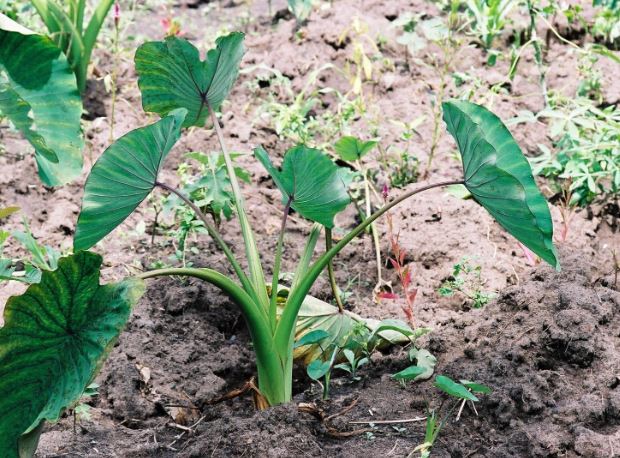
Taro (Colocasia esculenta) is a staple food in many parts of the world, prized not only for its versatility in cooking but also for its remarkable nutritional and medicinal benefits. From the ancient tropics of Southeast Asia to the islands of the Pacific and the shores of the Caribbean, taro has been a vital crop for millennia. In this article, we’ll explore the power of this humble root vegetable and its incredible range of uses—from food and medicine to its cultural significance and ecological impact.
The Origins and History of Taro
Taro is believed to have originated in Southeast Asia or the Indian subcontinent, where it has been cultivated for over 3,000 years. Its cultivation quickly spread throughout the Pacific islands, Africa, and the Americas, becoming a key food source in diverse regions. The plant thrives in wet, marshy environments, which makes it well-suited to tropical and subtropical climates.
In Polynesian culture, taro (known as kalo in Hawaiian) holds deep spiritual significance, symbolizing life and the connection between humans and the land. The ancient Hawaiians even developed unique cultivation techniques for growing taro, and it remains central to traditional Hawaiian cuisine.
The Nutritional Value of Taro
Taro is often hailed as a superfood due to its impressive nutritional profile. A rich source of complex carbohydrates, fiber, vitamins, and minerals, it is an excellent addition to a balanced diet. Here’s a closer look at what makes taro a powerhouse of nutrition:
1. High in Fiber
Taro is rich in dietary fiber, which aids digestion and helps maintain a healthy gut. Its high fiber content also makes it beneficial for regulating blood sugar levels, contributing to better overall metabolic health.
2. Complex Carbohydrates
Taro is an excellent source of complex carbohydrates, which provide a slow and steady release of energy. Unlike refined carbohydrates, which can cause blood sugar spikes, the carbohydrates in taro are broken down more gradually, making it an ideal food for sustained energy levels.
3. Rich in Micronutrients
Taro contains several important vitamins and minerals, including:
- Vitamin C: Known for its immune-boosting properties and role in collagen production.
- Potassium: Essential for heart health and proper muscle function.
- Magnesium: Vital for nerve and muscle function, as well as bone health.
- Vitamin E: An antioxidant that helps protect cells from oxidative damage.
4. Low in Fat
Taro is naturally low in fat, making it a healthy carbohydrate choice for those looking to manage their weight or reduce unhealthy fat intake.
5. Gluten-Free
Taro is naturally gluten-free, making it a great option for people with gluten sensitivities or celiac disease. It can serve as a versatile substitute for gluten-containing grains in various recipes.
Culinary Uses of Taro
Taro’s culinary versatility is one of the reasons it has been embraced across cultures. Its slightly nutty flavor and dense, starchy texture lend themselves to both savory and sweet dishes. However, it’s important to note that the raw root contains oxalates, which can be toxic if consumed without proper preparation. Cooking destroys these toxins, making taro safe and delicious to eat.
1. Savory Dishes
In many cultures, taro is boiled, steamed, or fried as a side dish or incorporated into stews and soups. In the Philippines, for example, taro is used in laing (a spicy dish made with taro leaves and coconut milk) and sinigang (a sour tamarind-based soup). In the Caribbean, it is often cooked with other root vegetables, such as yam and cassava, to create hearty dishes.
2. Sweet Treats
Taro is also used in a variety of sweet dishes. In Hawaii, it is used to make poi, a traditional dish made by pounding boiled taro into a smooth, purple paste. In Taiwan and other parts of East Asia, taro is incorporated into bubble tea or transformed into taro-flavored desserts, such as taro cakes and ice cream.
3. Taro Chips
Taro chips, often seasoned with salt or spices, have become a popular snack in many parts of the world. They offer a crunchy alternative to traditional potato chips and are lower in fat, making them a healthier snack choice.
4. Flour and Baking
Taro flour is a gluten-free alternative to wheat flour and is used in the preparation of various baked goods, including bread, cakes, and pastries. It imparts a slightly earthy flavor and helps add moisture to baked goods.
The Medicinal Benefits of Taro
Beyond its culinary uses, taro has been valued for its medicinal properties for centuries. Various parts of the plant, including the root, leaves, and stem, are used in traditional medicine to treat a wide range of ailments.
1. Digestive Health
Taro’s high fiber content makes it an effective remedy for digestive issues like constipation and bloating. In traditional medicine, it is often used as a gentle laxative to promote regular bowel movements and support overall gut health.
2. Anti-Inflammatory Properties
Taro contains compounds that have anti-inflammatory effects, which may help reduce inflammation in the body. This can be beneficial for individuals with inflammatory conditions like arthritis or irritable bowel syndrome (IBS).
3. Skin Health
In many cultures, taro is used topically to treat skin conditions. Taro leaves are often used in poultices to alleviate skin irritations, wounds, or rashes. The roots are also believed to help with conditions like eczema and psoriasis.
4. Blood Sugar Regulation
The high fiber content in taro helps stabilize blood sugar levels, making it a useful food for people with diabetes or those at risk of developing the condition. Some studies have shown that taro may improve insulin sensitivity, helping to better manage blood sugar levels.
5. Antioxidant Properties
Taro contains antioxidants, including flavonoids, which help protect the body from oxidative stress and reduce the risk of chronic diseases like heart disease, cancer, and age-related conditions.
Taro in Modern Agriculture and Sustainability
In addition to its nutritional and medicinal properties, taro plays a role in sustainable agriculture. As a hardy and adaptable crop, it can thrive in wetland environments, where other crops might struggle. This makes it an important food source in areas with limited arable land or where irrigation resources are scarce.
Taro farming has a minimal environmental impact compared to industrial agriculture, as it requires fewer chemical inputs and can be grown using traditional, low-tech farming methods. Moreover, taro’s resilience to pests and diseases means it can be cultivated with less reliance on pesticides.
Conclusion: Taro’s Multifaceted Role in Human Life
Taro (Colocasia esculenta) is far more than just a nutritious food—it’s a cultural icon, a medicinal plant, and a symbol of sustainability. From its roots in ancient agricultural practices to its modern-day uses in diverse cuisines and health remedies, taro has stood the test of time as a valuable resource for humankind.
Whether enjoyed in a comforting bowl of taro soup, blended into a creamy dessert, or used as a traditional remedy for digestive and skin ailments, taro offers a wealth of benefits that stretch far beyond the dinner plate. As the world continues to focus on healthy, sustainable, and culturally rich food choices, taro stands poised to play an even greater role in global agriculture and culinary traditions for years to come.

You must be logged in to post a comment Login