Fruits
Growing cherry trees at home can be rewarding but it requires some patience and attention to detai
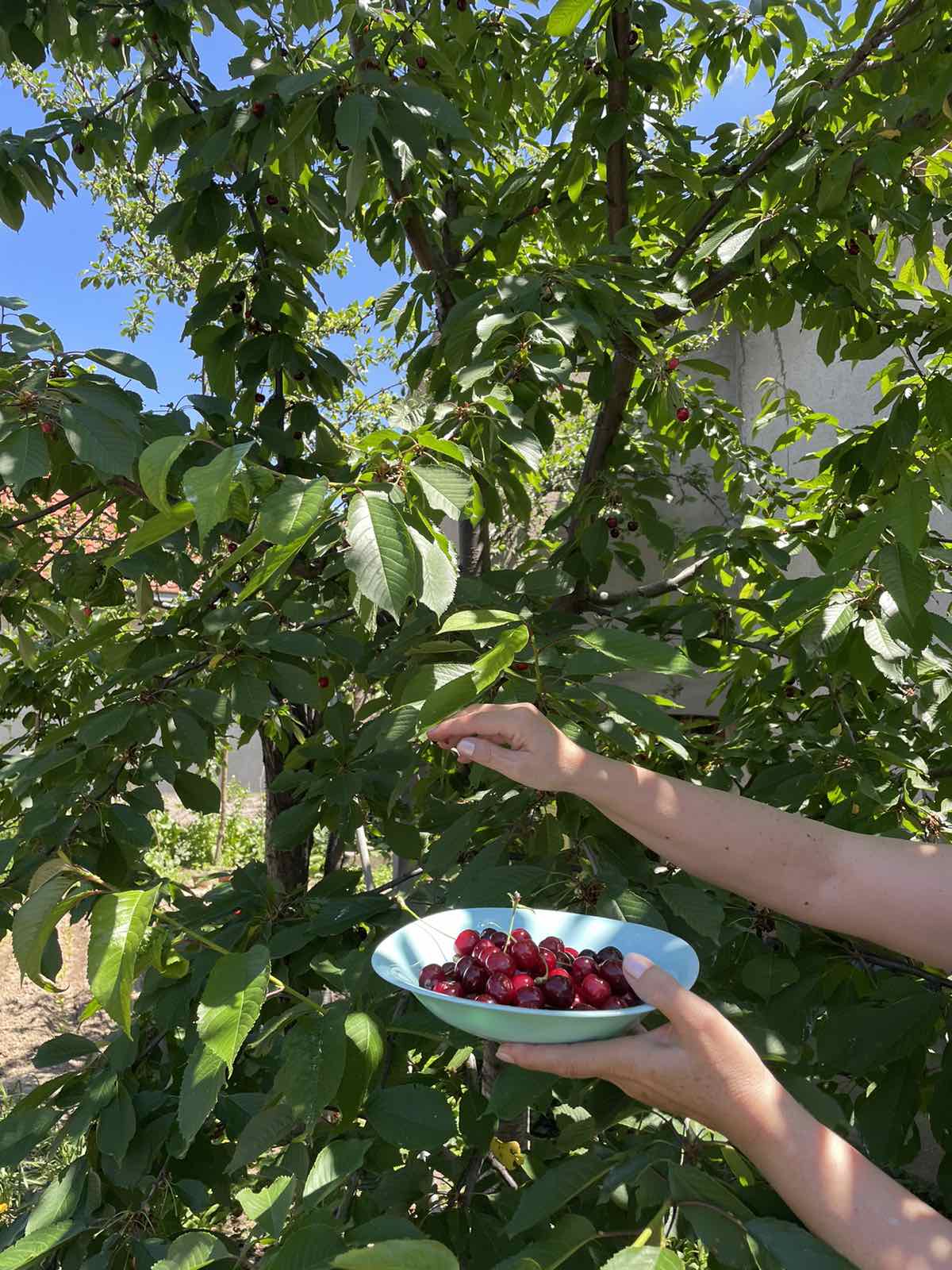
- Selecting the Right Variety: Choose a cherry tree variety that is suitable for your climate and space. Some varieties are better suited for warmer climates, while others thrive in cooler regions. Make sure to select a self-pollinating variety if you have limited space, or if you’re only planting one tree.
- Location: Cherry trees prefer full sunlight and well-draining soil. Select a location in your garden that receives at least 6-8 hours of sunlight per day. The soil should be fertile and loamy, with good drainage to prevent waterlogging.
- Planting: Plant your cherry tree in the early spring or late fall when the tree is dormant. Dig a hole that is twice as wide and deep as the tree’s root ball. Place the tree in the hole, making sure the graft union (if present) is above the soil line. Backfill the hole with soil, gently firming it around the roots. Water the tree thoroughly after planting.
- Watering: Cherry trees need regular watering, especially during the first few years as they establish their root systems. Keep the soil consistently moist but not waterlogged. Water deeply at least once a week, more often during hot, dry periods.
- Fertilizing: Apply a balanced fertilizer in early spring before the tree begins to bud. You can also top-dress with compost or well-rotted manure in the spring to provide additional nutrients.
- Pruning: Pruning is essential for cherry trees to maintain their shape, encourage fruit production, and remove dead or diseased wood. Prune your tree in late winter or early spring while it is still dormant. Remove any crossed or crowded branches, as well as any suckers growing from the base of the tree.
- Pollination: If you’re growing a self-pollinating variety, you may not need to worry about pollination. However, if you have a sweet cherry tree that requires cross-pollination, make sure to plant another compatible variety nearby to ensure good fruit set.
- Pest and Disease Management: Keep an eye out for common cherry pests such as aphids, cherry fruit fly, and cherry slug. Regularly inspect your tree for signs of disease such as brown rot, powdery mildew, or leaf spot, and take appropriate measures to control them.
- Harvesting: Depending on the variety, cherries typically ripen in late spring to early summer. Harvest the fruit when they are fully colored and firm to the touch. Be gentle when picking to avoid damaging the fruit or the tree.
By following these steps and providing proper care, you can successfully grow cherry trees at home and enjoy delicious fruit straight from your garden.

You must be logged in to post a comment Login