Plants
Euphorbia Hirta (Asthma-Plant): Traditional Uses and Applications
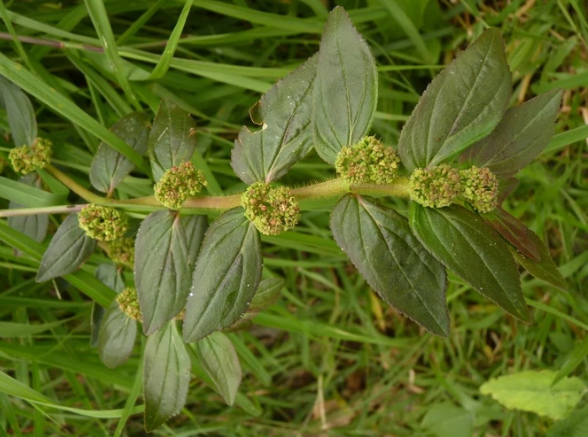
Euphorbia hirta, commonly known as the Asthma-plant, is a medicinal herb that has been utilized for centuries in various traditional medicine systems across the world. Belonging to the Euphorbiaceae family, this herb is native to tropical and subtropical regions and has gained popularity for its diverse therapeutic properties. Its common name, Asthma-plant, highlights one of its most prominent traditional uses in treating respiratory conditions. This article explores the traditional uses and applications of Euphorbia hirta, focusing on its significance in herbal medicine.
Botanical Description
Euphorbia hirta is a small, annual herb that typically grows to about 30-50 cm in height. It has a slender, hairy stem that often branches out at the base. The leaves are opposite, elliptical, or oblong with a serrated margin, and they are covered with tiny hairs. The plant produces small, dense clusters of tiny flowers at the leaf axils, which are pale green or reddish in color. The entire plant exudes a milky latex when cut, a characteristic feature of the Euphorbia genus.
Traditional Uses
- Respiratory Ailments: Euphorbia hirta is widely recognized in traditional medicine for its effectiveness in treating respiratory conditions, particularly asthma, which has earned it the name “Asthma-plant.” The plant’s anti-inflammatory and bronchodilator properties make it a valuable remedy for conditions such as bronchitis, coughs, and colds. In traditional practices, the leaves and stems are often boiled to make a decoction, which is then consumed to relieve symptoms of asthma and other respiratory issues.
- Gastrointestinal Disorders: Another significant application of Euphorbia hirta is in the treatment of gastrointestinal disorders. Traditional healers have used it to treat ailments like diarrhea, dysentery, and intestinal worms. The plant’s astringent and antimicrobial properties help in reducing the severity of diarrhea and combating the pathogens responsible for gastrointestinal infections. In some cultures, the plant is also used to alleviate bloating and indigestion.
- Skin Conditions: Euphorbia hirta has been traditionally applied to treat various skin conditions. The latex of the plant is used as a topical application to heal wounds, boils, and warts. Its anti-inflammatory and antimicrobial properties help in reducing infection and promoting the healing process. In some traditional practices, a poultice made from the leaves is applied to skin eruptions, rashes, and fungal infections.
- Anti-Malarial and Antipyretic Uses: In certain regions, Euphorbia hirta is used as a traditional remedy for malaria and fever. The plant’s antipyretic (fever-reducing) properties are harnessed by making a decoction of the leaves and stems. This preparation is consumed to reduce fever and alleviate symptoms associated with malaria. While traditional uses have supported its efficacy, further scientific studies are required to fully validate these applications.
- Reproductive Health: Euphorbia hirta has been traditionally used to support reproductive health. In some cultures, it is used to stimulate milk production in lactating mothers. Additionally, the plant is employed as a traditional remedy for menstrual disorders, including dysmenorrhea (painful menstruation) and irregular menstrual cycles. It is believed to have a regulatory effect on the menstrual cycle and is sometimes used to address infertility issues.
Pharmacological Studies
Modern pharmacological research has begun to validate some of the traditional uses of Euphorbia hirta. Studies have shown that the plant contains a variety of bioactive compounds, including flavonoids, tannins, and triterpenoids, which contribute to its medicinal properties. Research has demonstrated the plant’s anti-inflammatory, antimicrobial, and bronchodilator effects, supporting its traditional use in treating asthma and respiratory conditions. Moreover, the plant has shown promise in treating gastrointestinal disorders due to its astringent and antimicrobial properties.
Preparation and Dosage
The preparation of Euphorbia hirta for medicinal use varies depending on the condition being treated. Commonly, a decoction is made by boiling the leaves and stems in water. For respiratory and gastrointestinal conditions, this decoction is consumed several times a day. For skin conditions, the latex or a poultice made from the leaves is applied directly to the affected area.
However, it is essential to approach the use of Euphorbia hirta with caution. The plant contains toxic compounds that can cause irritation and other side effects if not used properly. Therefore, it is advisable to consult a healthcare provider or an experienced herbalist before using the plant for medicinal purposes.
Conclusion
Euphorbia hirta, or the Asthma-plant, has been an integral part of traditional medicine for centuries, particularly in treating respiratory, gastrointestinal, and skin conditions. Its diverse applications highlight the plant’s significance in herbal medicine and its potential as a source of natural remedies. While traditional knowledge provides a foundation for its use, ongoing research is crucial to further explore and validate its therapeutic potential. As with all medicinal plants, caution and proper guidance are necessary to ensure safe and effective use.

You must be logged in to post a comment Login