Plants
Why You Should Embrace Purslane in Your Garden: 8 Compelling Reasons
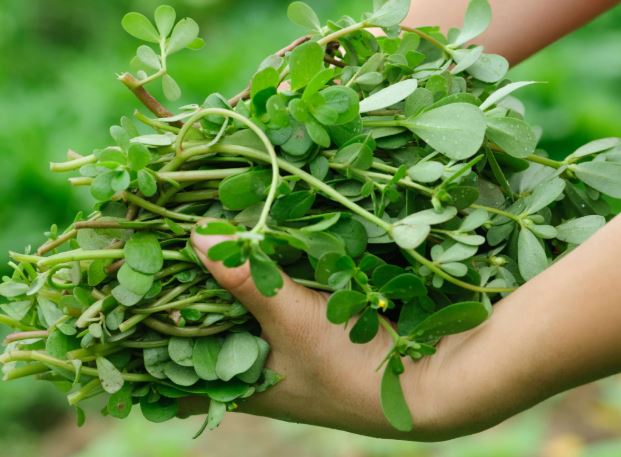
When most people see purslane (Portulaca oleracea), they dismiss it as just another stubborn weed spreading across their yard or garden. However, this humble plant is far from a nuisance—it’s actually one of the most nutritious and versatile greens you can grow. Purslane has been valued for centuries in traditional medicine, cooking, and sustainable gardening practices. If you’ve been pulling it out without a second thought, it’s time to reconsider.
Here are 8 compelling reasons why you should embrace purslane in your garden:
1. A Nutrient-Dense Superfood
Purslane is loaded with essential vitamins and minerals. It contains vitamin A, vitamin C, vitamin E, magnesium, potassium, and calcium. It’s also rich in antioxidants that help protect the body from oxidative stress.
2. Rich in Omega-3 Fatty Acids
Unlike most leafy greens, purslane is one of the best plant-based sources of omega-3 fatty acids, particularly alpha-linolenic acid (ALA). These healthy fats support heart health, reduce inflammation, and may improve brain function.
3. Easy to Grow (or Forage)
Purslane thrives in poor soil, requires little water, and spreads quickly. Whether you plant it intentionally or allow it to self-seed, it’s one of the easiest edible plants to cultivate, even for beginner gardeners.
4. A Natural Ground Cover
With its low, spreading growth habit, purslane makes an excellent ground cover. It helps retain soil moisture, suppresses weeds, and protects your garden beds from erosion.
5. Culinary Versatility
The slightly tangy, lemony flavor of purslane makes it a tasty addition to many dishes. You can enjoy it raw in salads, toss it into soups and stews, or sauté it like spinach. In Mediterranean and Middle Eastern cuisines, purslane is a traditional ingredient.
6. Traditional Medicinal Uses
For centuries, purslane has been used in folk medicine to soothe inflammation, aid digestion, and promote wound healing. While modern research is ongoing, its historical uses highlight its value beyond the kitchen.
7. Great for Pollinators
When purslane blooms with its small, yellow flowers, it attracts beneficial insects, including pollinators like bees. This makes it a supportive companion in your garden’s ecosystem.
8. A Step Toward Sustainable Living
By cultivating purslane, you’re adding a hardy, nutrient-rich food source that doesn’t demand much water or fertilizer. It’s a smart choice for eco-friendly gardening and a great way to reduce food waste if you’ve been discarding it as a weed.
How to use:
Fresh Purslane Salad
-
Ingredients: 2 cups purslane leaves, 1 cucumber, 2 tomatoes, ½ red onion, lemon juice, olive oil, salt, pepper.
-
Method: Chop veggies, toss with purslane, drizzle lemon juice & olive oil, season to taste.
Purslane Omelet
-
Ingredients: 3 eggs, 1 cup purslane, 1 small onion, 1 garlic clove, salt, pepper, olive oil.
-
Method: Sauté onion & garlic, add purslane, then pour in beaten eggs. Cook until firm.
Purslane Smoothie
-
Ingredients: 1 banana, 1 cup fresh purslane, ½ cup pineapple, ½ cup yogurt or plant milk, 1 tsp honey (optional).
-
Method: Blend all ingredients until smooth. Refreshing and nutrient-rich!
Purslane Soup
-
Ingredients: 1 potato, 1 carrot, 1 onion, 2 cups broth, 1 cup purslane, salt, pepper.
-
Method: Boil potato, carrot, and onion until soft. Blend into a creamy soup, then stir in purslane right before serving.
Pickled Purslane
-
Ingredients: Fresh purslane stems, 1 cup vinegar, 1 cup water, 1 tbsp salt, 1 tsp sugar, garlic, chili (optional).
-
Method: Pack clean purslane stems into a jar. Boil vinegar, water, salt, and sugar. Pour hot liquid over purslane, seal jar, let cool, and refrigerate.
Final Thoughts
Instead of pulling purslane out of your garden, consider harvesting it. This resilient little plant is not only delicious but also a powerhouse of nutrition and a friend to your garden’s soil. By embracing purslane, you’re inviting health, sustainability, and biodiversity right into your backyard.

You must be logged in to post a comment Login