Gardening Guide
What Every Gardener Should Be Doing in November
As autumn winds down and the chill of winter begins to settle in, many gardeners assume their work is done for the year. But November is actually one of the most important months for setting up your garden’s future success. This is the quiet month of preparation, protection, and planning — where small efforts now will reward you beautifully come spring.
Let’s dig into the essential November garden tasks every gardener should focus on.
1. Cut Back and Clean Up Wisely
While it’s tempting to clear everything, resist the urge to over-prune. Many perennials and grasses provide food and shelter for beneficial insects through winter.
-
Cut back only plants that are diseased or turning mushy.
-
Leave dried seed heads (like coneflower or black-eyed susan) for birds.
-
Rake up fallen leaves and compost the healthy ones — they’ll break down into nutrient-rich soil.
2. Tuck Your Garden into Bed
Before the first hard frost, give your garden a protective blanket:
-
Mulch generously around trees, shrubs, and perennials to insulate roots.
-
Add straw or shredded leaves over vegetable beds to prevent soil erosion.
-
Cover tender plants or raised beds with burlap or frost cloths.
Think of it as tucking your garden in for a cozy winter nap.
3. Plant Before the Freeze
Yes — you can still plant in November!
-
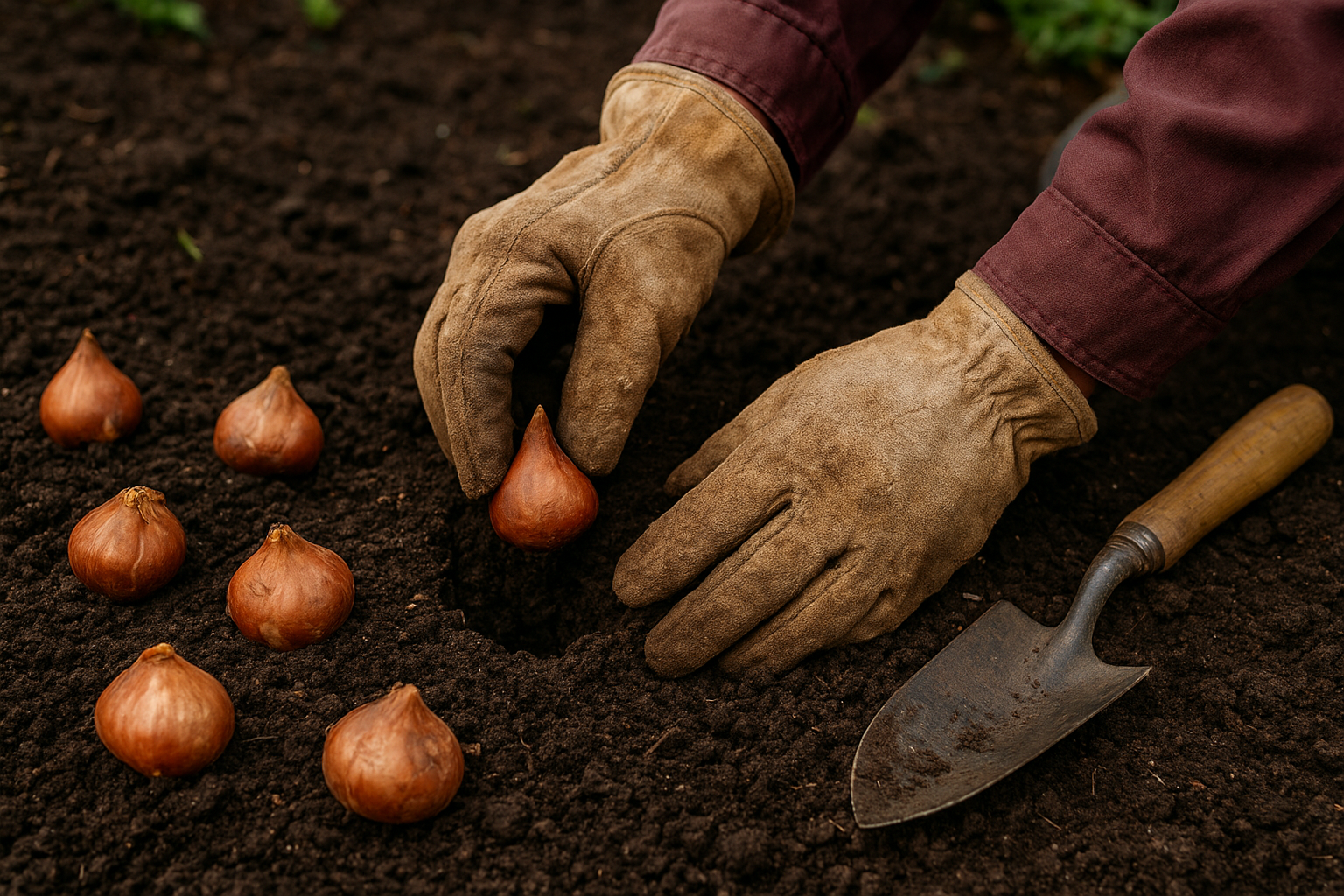
Spring bulbs like tulips, daffodils, and crocuses thrive when planted now.
How to Plant Spring Bulbs in November (Before the Ground Freezes)
Even if the air feels crisp and winter is close, November is still a golden time to plant spring bulbs. The soil is cool but not frozen — just what bulbs love for establishing strong roots before their long winter nap.
Why November Planting Works
Planting in November helps bulbs:
-
Root deeply before the hard frost
-
Avoid early sprouting (too warm soil causes premature growth)
-
Bloom beautifully in spring when the soil warms up again
Step-by-Step: Planting Spring Bulbs in November
1. Choose the Right Bulbs
Select cold-hardy varieties that thrive even with a late planting:
-
Tulips
-
Daffodils
-
Hyacinths
-
Crocuses
-
Alliums
-
Snowdrops
2. Check the Soil
Bulbs hate soggy ground. Choose a well-drained area with full or partial sun.
If your soil is heavy clay, mix in some sand or compost to improve drainage.
3. Prepare the Ground
Loosen the soil about 20 cm (8 inches) deep. Remove stones and weeds to give bulbs space to spread.
4. Plant at the Right Depth
A simple rule:
Plant bulbs three times as deep as their height.
Example:
-
A 5 cm bulb → plant 15 cm deep.
Place bulbs pointy end up, and gently firm the soil over them.
5. Add Bone Meal or Bulb Fertilizer
This gives the bulbs nutrients for strong root growth before winter.
6. Water Once
Give them a good soak after planting — this settles the soil and helps roots start forming.
No need to water again unless the season is unusually dry.
7. Mulch for Protection
Add a 5–8 cm layer of mulch or straw to insulate against temperature swings and frost heave.
-
Garlic and shallots should also go into the ground before it freezes.
-
In mild climates, you can even plant winter greens like kale or spinach under cold frames.
This month’s chill actually helps bulbs and garlic establish strong roots before spring growth.
4. Feed and Protect the Soil
Healthy soil means healthy plants next year.
-
Add compost, well-rotted manure, or organic matter to improve structure.
-
Spread wood ash lightly (if you have it) to balance acidity.
-
Test your soil’s pH and adjust it while the garden rests — perfect timing for slow amendments like lime or sulfur.
5. Take Care of Tools and Equipment
Your tools have worked hard all year — don’t leave them neglected.
-
Clean and oil pruning shears, shovels, and spades to prevent rust.
-
Drain and store garden hoses before freezing temps hit.
-
Sharpen mower blades and cover any outdoor machinery.
A few minutes of care now means fewer frustrations come spring.
6. Feed the Wildlife
Birds, pollinators, and beneficial insects still need your help.
-
Keep bird feeders filled and clean.
-
Leave hollow stems and brush piles for overwintering insects.
-
Consider adding a heated birdbath or shallow water source.
A wildlife-friendly garden stays alive year-round.
7. Dream, Plan, and Reflect
When the ground freezes, shift gears from doing to dreaming.
-
Make notes about what thrived — and what didn’t — this past season.
-
Sketch out next year’s garden layout or try new companion planting ideas.
-
Order seed catalogs and start your wish list early.
November may be the garden’s pause, but for a gardener’s imagination, it’s just the beginning.
Final Thoughts
November is the bridge between the year’s end and the promise of renewal. The work you do now — from protecting perennials to enriching the soil — ensures your garden wakes up healthy, fertile, and ready to thrive. So, pull on those gloves one more time, breathe in the crisp air, and give your garden the care it deserves before winter arrives.

You must be logged in to post a comment Login