Plants
These 5 Plants for Your Bedroom Will Help Treat Insomnia and Sleep Apnea
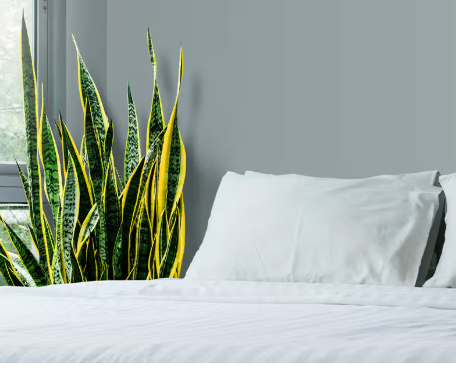
Getting a good night’s sleep is essential for overall well-being, but many people struggle with insomnia and sleep apnea. While there are various treatments available, incorporating certain plants into your bedroom can naturally improve air quality, reduce stress, and promote better sleep. Here are five plants that can help you rest easier:
1. Lavender (Lavandula)
Lavender is well known for its calming aroma, which has been shown to reduce stress, lower heart rate, and promote relaxation. Studies suggest that the scent of lavender can improve sleep quality and alleviate symptoms of insomnia. Placing a lavender plant near your bed or using lavender essential oils can help create a peaceful sleeping environment.

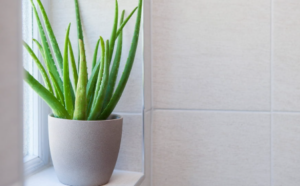
2. Aloe Vera (Aloe barbadensis miller)
Aloe Vera is not only great for skin care but also for improving indoor air quality. It releases oxygen at night, which can help create a fresher and more breathable atmosphere in your bedroom. This is especially beneficial for those who suffer from sleep apnea, as better air quality can reduce nighttime breathing difficulties.
3. Snake Plant (Sansevieria trifasciata)
Also known as Mother-in-Law’s Tongue, the Snake Plant is an excellent air purifier. It filters out toxins like formaldehyde and benzene while releasing oxygen at night. This makes it a great choice for those with sleep apnea or breathing issues, as it enhances the air quality in your sleeping space.
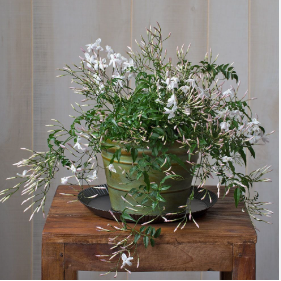
4. Jasmine (Jasminum)
Jasmine is another plant with a soothing fragrance that has been shown to reduce anxiety and promote deeper sleep. Research has indicated that the scent of jasmine can lead to lower anxiety levels, improved sleep efficiency, and increased alertness upon waking. Keeping a jasmine plant in your bedroom can contribute to a restful night’s sleep.
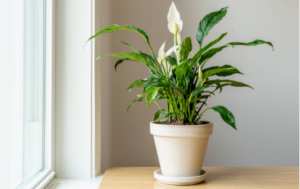
5. Peace Lily (Spathiphyllum)
The Peace Lily is known for its ability to remove harmful airborne toxins and increase humidity levels. This can be particularly helpful for people who suffer from dry air-related sleep disturbances, such as snoring or sleep apnea. Higher humidity levels can prevent airway irritation and improve breathing during sleep.
Final Thoughts
Incorporating these plants into your bedroom can create a more relaxing and healthier sleep environment. Whether you struggle with insomnia, sleep apnea, or simply want to improve your sleep quality, these natural remedies offer an easy and effective solution. Try adding one or more of these plants to your bedroom and enjoy the benefits of a peaceful and rejuvenating night’s sleep.

You must be logged in to post a comment Login