Herbs
The Versatile Mint: Health Benefits, Uses, and How to Incorporate It into Your Daily Routine
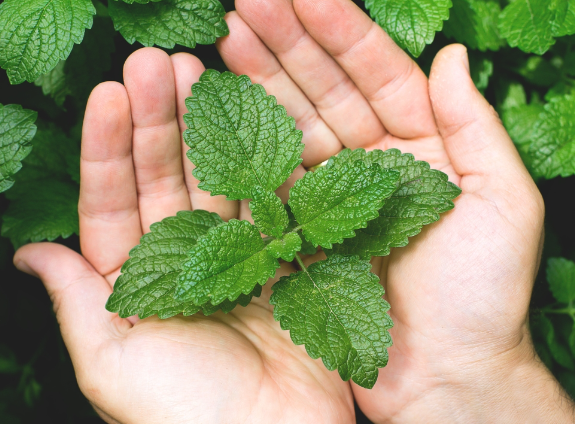
Mint, one of the most versatile herbs known to mankind, has been treasured for centuries for its refreshing aroma, vibrant flavor, and impressive health benefits. From being a culinary delight to a natural remedy, this little green powerhouse is a must-have in every home. In this article, we’ll explore the health benefits of mint, its various uses, and how you can easily incorporate it into your daily routine.
Health Benefits of Mint
- Aids in Digestion Mint is well known for its ability to soothe the digestive system. The menthol in mint leaves helps relax the muscles in your digestive tract, making it effective in alleviating indigestion, bloating, and gas. A cup of mint tea after meals can significantly improve digestion and reduce discomfort.
- Relieves Cold and Respiratory Issues The cooling properties of mint, especially menthol, help to open up nasal passages, making it easier to breathe. It can be a natural remedy for colds, asthma, bronchitis, and other respiratory issues. Adding fresh mint to hot water or using mint essential oil in steam inhalation can provide instant relief from congestion.
- Boosts Immunity Mint leaves are packed with vitamins and minerals, including vitamin A, C, and B-complex, as well as calcium and phosphorus. These nutrients help boost your immune system and keep infections at bay. Regular consumption of mint in your diet can help prevent seasonal illnesses and improve overall health.
- Improves Oral Health Mint is a key ingredient in many dental hygiene products, and for good reason. Its antibacterial properties help eliminate harmful bacteria in the mouth, preventing tooth decay and bad breath. Chewing on mint leaves or rinsing with mint-infused water can help maintain fresh breath throughout the day.
- Soothes Headaches and Migraines The strong and refreshing scent of mint is a natural remedy for headaches and migraines. Menthol, the active component in mint, helps increase blood flow and provides a cooling sensation that alleviates pain. Applying diluted mint oil to your temples or inhaling mint steam can bring quick relief from headaches.
- Supports Skin Health Mint has been widely used in skincare for its cooling, anti-inflammatory, and antimicrobial properties. It can help reduce acne, soothe irritation, and relieve itching from insect bites. Applying crushed mint leaves or mint oil to your skin can help rejuvenate and refresh your complexion.
- Promotes Weight Loss If you’re looking to shed some pounds, mint might be a helpful ally. Mint improves digestion, which in turn helps with better metabolism. Moreover, it curbs hunger cravings and reduces overeating, making it easier to stick to a balanced diet.
Common Uses of Mint
- Culinary Uses Mint is often used in both sweet and savory dishes. Its refreshing flavor can enhance salads, soups, smoothies, desserts, and beverages. It pairs especially well with lamb, peas, and citrus fruits. Fresh mint leaves can be added to water, lemonade, or cocktails for a refreshing twist.
- Herbal Teas Mint tea is a popular herbal beverage that provides soothing effects on the digestive and respiratory systems. Simply steep fresh or dried mint leaves in hot water for 5-10 minutes and enjoy a calming and fragrant cup of tea.
- Aromatherapy The invigorating scent of mint is widely used in aromatherapy to relieve stress, fatigue, and headaches. Whether through essential oils, candles, or diffusers, the aroma of mint can uplift your mood and refresh your mind.
- Natural Remedy Mint can be used as a home remedy for various minor ailments. From digestive issues and headaches to skin irritation and insect bites, mint’s antibacterial and soothing properties make it an effective natural treatment.
- Beauty and Skincare Mint is a popular ingredient in skincare products, such as face masks, creams, and cleansers. It helps to tone the skin, control excess oil, and reduce acne. You can also create a DIY mint face pack at home by mixing crushed mint leaves with honey or yogurt for a natural skin treatment.
How to Incorporate Mint into Your Daily Routine
- Morning Detox Drink Start your day with a refreshing mint-infused detox drink. Add a handful of fresh mint leaves to a glass of warm water with lemon. This drink helps cleanse your system, boost metabolism, and energize you for the day ahead.
- Mint in Smoothies Add a few fresh mint leaves to your morning smoothie. It pairs well with fruits like watermelon, berries, and pineapple, giving your smoothie a refreshing twist and added health benefits.
- Mint Tea After Meals Drinking a cup of mint tea after meals can aid digestion and reduce bloating. It’s especially useful after heavy or spicy meals, helping you feel more comfortable and relaxed.
- Mint-Infused Water To stay hydrated and enjoy the benefits of mint throughout the day, add fresh mint leaves to your water bottle. Mint-infused water not only tastes refreshing but also keeps your digestion in check.
- Incorporate in Cooking Use mint in your everyday cooking to elevate the flavor of your dishes. From sprinkling chopped mint leaves on salads to making mint chutney or pesto, this herb can easily become a staple in your kitchen.
- DIY Mint Skincare Pamper yourself with homemade mint skincare treatments. Mix crushed mint leaves with natural ingredients like aloe vera or honey for a soothing face mask. You can also use mint-infused water as a refreshing facial mist.
Conclusion
Mint is not just a flavorful herb—it’s a powerhouse of health benefits and versatility. Whether you’re looking to improve digestion, boost immunity, or simply enjoy a refreshing cup of tea, incorporating mint into your daily routine is both easy and rewarding. Embrace the wonders of this green gem and discover how it can enhance your health and well-being.

You must be logged in to post a comment Login