Plants
The Power of Hawthorn (Genus Crataegus): A Natural Ally for Heart and Cholesterol Health
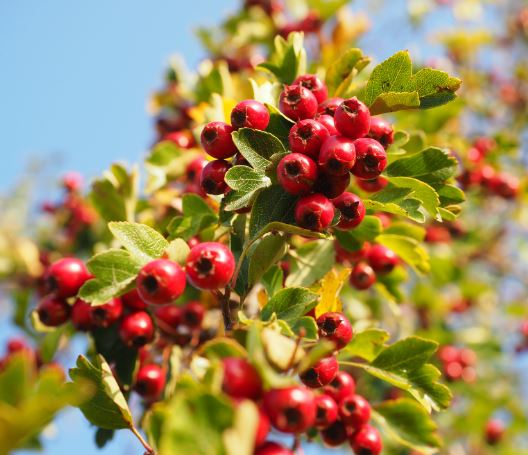
Hawthorn (Crataegus), a thorny shrub belonging to the rose family, has been treasured in traditional medicine for centuries. Often recognized for its delicate white or pink blossoms and bright red berries, hawthorn is more than just an ornamental plant—it’s a botanical powerhouse with a strong reputation for supporting heart health and regulating cholesterol.
A Brief History of Hawthorn in Medicine
Hawthorn’s medicinal use can be traced back to ancient Greece and Rome, where it was used to treat digestive and cardiovascular complaints. In traditional Chinese medicine, hawthorn berries have long been prescribed to aid digestion and improve circulation. By the Middle Ages in Europe, hawthorn was firmly established as a heart tonic. Today, modern herbalists and researchers continue to explore its cardiovascular benefits.
Heart Health Benefits of Hawthorn
-
Strengthening the Heart Muscle
Hawthorn is rich in flavonoids and oligomeric procyanidins—powerful antioxidants that support blood vessel health. These compounds improve blood flow to the heart, increase oxygen supply, and may enhance the heart’s pumping efficiency. This makes hawthorn especially valuable for individuals with mild heart failure or weakened cardiac function. -
Regulating Blood Pressure
Studies suggest hawthorn can help dilate blood vessels, improving circulation and reducing vascular resistance. This can contribute to balanced blood pressure levels, whether slightly elevated or irregular. -
Improving Circulation
By enhancing blood flow and reducing arterial stiffness, hawthorn supports overall cardiovascular health, helping to prevent common complications such as fatigue, dizziness, or shortness of breath often linked to poor circulation. -
Antioxidant Protection
The antioxidants in hawthorn combat oxidative stress—a key contributor to heart disease and atherosclerosis. Regular consumption may help protect the cardiovascular system from long-term damage.
Hawthorn and Cholesterol Management
Hawthorn also shows promise in supporting healthy cholesterol levels. Research indicates that hawthorn extracts may:
-
Lower LDL (“bad”) cholesterol by reducing lipid buildup in arteries.
-
Increase HDL (“good”) cholesterol, which helps transport excess cholesterol to the liver for excretion.
-
Reduce triglycerides, further lowering the risk of plaque formation and arterial blockages.
This combination of effects makes hawthorn a natural option for those seeking to balance cholesterol levels without overly relying on pharmaceuticals.
Traditional and Modern Uses
-
Teas and Infusions: Dried hawthorn flowers, leaves, or berries can be steeped into a mild tea that supports heart health when consumed regularly.
-
Capsules and Extracts: Standardized hawthorn supplements ensure consistent levels of active compounds, often used in clinical studies.
-
Tinctures: Alcohol-based extracts allow for concentrated use in small doses.
Safety and Precautions
Hawthorn is generally considered safe for long-term use, with minimal side effects when taken at recommended doses. However, because it can interact with certain medications—particularly blood pressure drugs, heart medications, and cholesterol-lowering prescriptions—consulting a healthcare professional before use is essential.
1. Hawthorn Tea (Mild & Everyday Use)
-
Ingredients:
-
1–2 teaspoons dried hawthorn berries, flowers, or leaves
-
1 cup hot water
-
-
Preparation:
-
Place the dried plant parts in a teapot or mug.
-
Pour hot (not boiling) water over them.
-
Cover and steep for 10–15 minutes.
-
Strain and drink warm.
-
-
Tip: Drink 2–3 cups daily for gentle cardiovascular support.
2. Hawthorn Decoction (Stronger for Berries)
Because hawthorn berries are tougher than the leaves/flowers, a decoction helps extract more of the active compounds.
-
Ingredients:
-
1 tablespoon dried hawthorn berries
-
2 cups water
-
-
Preparation:
-
Add berries to a pot with water.
-
Bring to a boil, then simmer for 20–30 minutes.
-
Strain and drink 1–2 cups daily.
-
3. Hawthorn Tincture (Concentrated Use)
-
Ingredients:
-
Fresh or dried hawthorn berries, flowers, or leaves
-
High-proof alcohol (vodka or brandy, at least 40%)
-
-
Preparation:
-
Fill a clean glass jar halfway with hawthorn.
-
Cover with alcohol until the jar is full.
-
Seal and store in a dark place for 4–6 weeks, shaking every few days.
-
Strain into a dark glass bottle.
-
-
Dosage: Usually 20–30 drops, 2–3 times a day (but check with a herbalist/doctor for personal guidance).
4. Hawthorn Capsules or Extracts
For convenience, standardized capsules and extracts are widely available. These ensure consistent dosing, especially useful for cholesterol support and heart health.
Safety Note:
-
Hawthorn is generally safe but may interact with heart medications, blood pressure drugs, or cholesterol-lowering prescriptions.
-
Always consult a healthcare professional before starting if you are on medication or have a diagnosed heart condition.

You must be logged in to post a comment Login