Fruits
The Power of Fig Leaves: A Hidden Gem for Health and Wellness
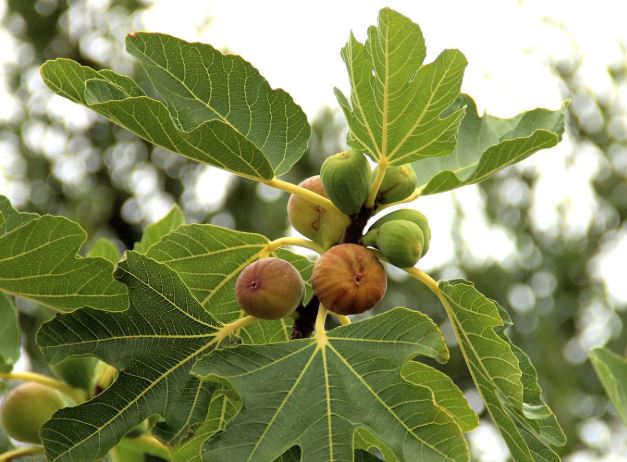
When most people think of fig trees, their mind instantly goes to the sweet, juicy fruit. Yet, hidden behind those luscious figs lies another treasure that has been quietly overlooked for centuries: the fig leaf. Used in traditional medicine across cultures, fig leaves are now gaining recognition as a natural powerhouse for health and wellness.
Nutritional Profile of Fig Leaves
Fig leaves are packed with antioxidants, vitamins, and minerals. They contain vitamin A, vitamin B1, vitamin B2, calcium, iron, phosphorus, manganese, potassium, and magnesium. These nutrients contribute to overall vitality and can help the body fight against oxidative stress.
Health Benefits of Fig Leaves
1. Blood Sugar Control
One of the most well-documented uses of fig leaves is their ability to support healthy blood sugar levels. Studies suggest that fig leaf extracts may improve insulin sensitivity, making them a natural aid for people managing type 2 diabetes.
2. Supports Heart Health
Fig leaves are rich in compounds that help lower triglyceride levels, reducing the risk of heart disease. Their potassium content also supports healthy blood pressure regulation.
3. Anti-Inflammatory Properties
The antioxidants in fig leaves, including flavonoids and polyphenols, help combat inflammation in the body. This can be particularly beneficial for people struggling with chronic conditions like arthritis.
4. Aids in Digestion
Traditionally, fig leaves have been used to soothe digestive issues. Whether taken as a tea or used in cooking, they may help reduce indigestion, bloating, and constipation.
5. Weight Management
Because fig leaves can improve metabolism and digestion, they may support healthy weight management when combined with a balanced diet and lifestyle.
6. Respiratory Relief
In folk medicine, fig leaf tea has been used to ease bronchitis and asthma. Its soothing properties can help calm irritation in the respiratory tract.
How to Use Fig Leaves
-
Fig Leaf Tea: Dry the leaves and steep them in hot water for a soothing herbal tea.
-
Culinary Uses: In Mediterranean cuisine, fig leaves are sometimes used to wrap foods for cooking, infusing dishes with a subtle, nutty flavor.
-
Extracts and Supplements: Fig leaf extracts are available in capsule or tincture form for convenient daily use.
A Word of Caution
While fig leaves offer many health benefits, they should be consumed in moderation. Some people may experience allergic reactions or skin irritation when handling fresh fig leaves due to their milky sap. Always consult a healthcare professional before using fig leaves as a natural remedy, especially if you have existing medical conditions or are on medication.
Final Thoughts
The fig tree has long been a symbol of abundance, fertility, and healing—and its leaves are no exception. From supporting heart health and managing blood sugar to soothing the digestive and respiratory systems, fig leaves are truly a hidden gem in natural wellness. By rediscovering this ancient remedy, we can unlock another layer of the fig tree’s incredible gifts for modern health.

You must be logged in to post a comment Login