Gardening Guide
The Overlooked Garden Resource Hiding in Plain Sight: Strategic Pine Cone Collection
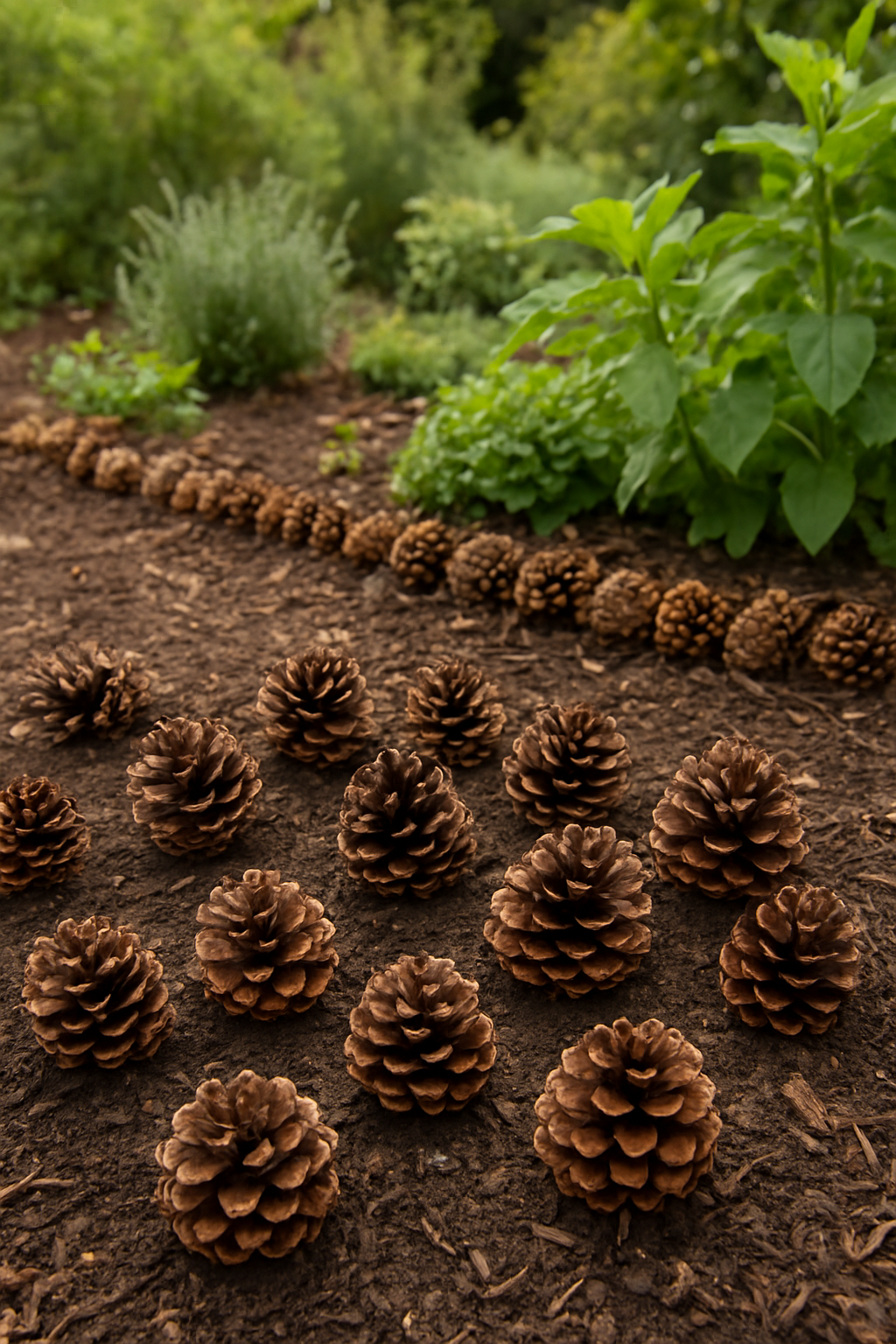
When you walk through a forest or even your own backyard, pine cones often go unnoticed — scattered beneath trees, crunching underfoot. Yet these humble gifts from nature are one of the most versatile, sustainable, and free resources a gardener can harness. Strategic pine cone collection isn’t just about tidying up the yard — it’s about unlocking a natural tool with a surprising range of uses.
Nature’s Mulch and Moisture Guardian
Pine cones are naturally designed to protect seeds — and in your garden, they can do the same for your soil. When layered around plants or in garden pathways, they act as lightweight mulch, slowing water evaporation, regulating soil temperature, and discouraging weeds. Unlike traditional mulch, pine cones don’t compact easily, allowing for better air circulation and drainage.
Pro tip: Use smaller cones or break large ones into pieces for flower beds and potted plants.
Pest Deterrent with Style
Forget chemical barriers — pine cones can serve as a natural pest deterrent. Their prickly structure discourages slugs, snails, and small digging animals from entering your garden beds. A simple ring of cones around your vegetables or herbs forms a natural (and decorative) fortress.
Compost Helper and Soil Aerator
Tossing a few pine cones into your compost pile can help improve aeration and keep the pile from becoming soggy. They break down slowly, adding valuable carbon over time — ideal for balancing “green” nitrogen-rich waste like kitchen scraps.
A Winter Bonus: Fire Starters and Fragrance
If you collect extra pine cones, don’t let them go to waste. Dried cones make excellent fire starters when dipped in wax and stored in baskets. Add a few drops of essential oil or herbs like rosemary or cinnamon to turn them into aromatic winter treasures.
How to Collect Strategically
-
Wait for dry weather: Collect only fully opened cones — they’re dry, clean, and easier to store.
-
Avoid sap-heavy or moldy cones: Choose those that are firm, clean, and lightweight.
-
Rinse and dry: A quick soak in a vinegar-water mix and a few hours in the sun or oven (low heat, around 90°C) will ensure they’re pest-free.
-
Store smartly: Keep them in breathable bags or baskets in a dry spot until you need them.
Final Thought
The next time you spot pine cones scattered beneath a tree, see them for what they truly are — miniature tools of the forest, ready to serve your garden in countless ways. By collecting and using them thoughtfully, you’re not just cleaning up — you’re working with nature’s design, not against it.

You must be logged in to post a comment Login