Plants
The Hidden Gem in Your Garden: Discover the Health Benefits of Pigweed
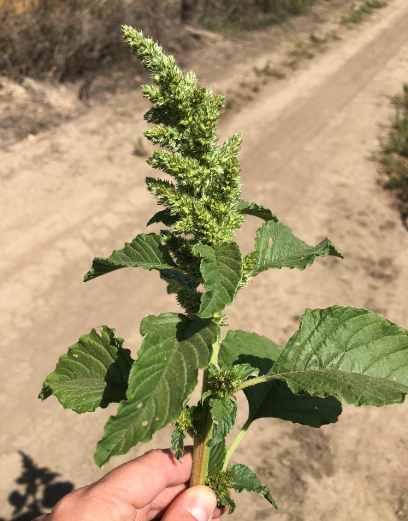
If you’re an avid gardener, you might have encountered pigweed—also known as Amaranthus—popping up unexpectedly among your prized plants. Often considered a pesky weed, pigweed is commonly pulled out and discarded without a second thought. However, what many don’t realize is that this resilient plant, which thrives in a variety of conditions, is a nutritional powerhouse with an array of health benefits that make it worth keeping around.
What is Pigweed?
Pigweed, a member of the Amaranth family, is a hardy plant that grows in many regions around the world. It’s easily recognizable by its broad, green leaves and its small, spiky clusters of seeds. Though it may not look like much at first glance, pigweed has been consumed as both a vegetable and a grain by various cultures for centuries, especially in Africa, South America, and Asia. In fact, it’s a traditional staple in several indigenous diets, and for good reason—it’s loaded with nutrients that can significantly boost your health.
Nutritional Profile of Pigweed
Despite its humble appearance, pigweed is rich in essential nutrients. Both the leaves and seeds of the plant are edible, each offering their own set of benefits:
- Vitamins and Minerals: Pigweed leaves are an excellent source of vitamins A, C, and K, which are crucial for maintaining healthy skin, immune function, and bone health. They also contain a wealth of minerals, including calcium, magnesium, iron, and potassium.
- Protein: The seeds of pigweed are particularly valued for their protein content. Amaranth seeds contain all nine essential amino acids, making them a complete protein source—something that’s rare in the plant kingdom. This makes pigweed a fantastic option for those following a plant-based diet.
- Antioxidants: Pigweed is packed with antioxidants, compounds that help to fight free radicals in the body and reduce inflammation. This can be beneficial for preventing chronic diseases, including heart disease, cancer, and diabetes.
- Fiber: Both the seeds and leaves of pigweed are high in fiber, which promotes good digestion, helps maintain stable blood sugar levels, and can assist in weight management by keeping you fuller for longer.
Health Benefits of Pigweed
- Promotes Heart Health
The magnesium and potassium found in pigweed play an essential role in maintaining heart health by regulating blood pressure. Additionally, the antioxidants and fiber help to reduce inflammation and improve cholesterol levels, contributing to a healthier cardiovascular system. - Supports Bone Health
With its rich supply of calcium, pigweed can aid in strengthening bones. Vitamin K, also found in abundance in pigweed, is known to support bone density and prevent bone-related disorders like osteoporosis. - Boosts Immune Function
Pigweed is rich in vitamin C, a powerful antioxidant that is key to a robust immune system. Consuming pigweed leaves regularly can help fend off common illnesses such as colds and flu, while promoting overall health and wellness. - Enhances Eye Health
Vitamin A, another nutrient found in pigweed, is essential for maintaining good vision and preventing age-related eye conditions such as macular degeneration and cataracts. Regular consumption of pigweed can be beneficial for long-term eye health. - Aids in Digestive Health
The high fiber content in both the leaves and seeds of pigweed ensures smooth digestion. It can help prevent constipation, promote regular bowel movements, and contribute to a healthy gut microbiome. - Supports Weight Management
Pigweed’s fiber and protein content can aid in weight management by promoting satiety. Consuming pigweed in meals may help you feel fuller for longer, reducing the urge to overeat or snack between meals.
How to Use Pigweed
If you’re ready to start incorporating this hidden gem into your diet, you’re in luck—pigweed is highly versatile and can be used in a variety of ways:
- Salads and Sautéed Greens: The leaves can be eaten raw in salads or cooked like spinach. Sauté them with garlic and olive oil for a nutrient-packed side dish.
- Smoothies: Add a handful of pigweed leaves to your morning smoothie for a nutritious boost without altering the flavor too much.
- Soups and Stews: Pigweed can easily be added to soups and stews, providing extra vitamins and minerals without overpowering other ingredients.
- Grain Bowls: The seeds can be cooked and used as a substitute for quinoa or rice. They make a great base for grain bowls, mixed with vegetables and your protein of choice.
- Baked Goods: Ground pigweed seeds can be added to flours for baking. This adds a nutritional boost to breads, muffins, and even pancakes.
Conclusion
Next time you see pigweed sprouting in your garden, don’t be so quick to pull it out. This misunderstood plant offers a wealth of nutritional benefits that can support your health in numerous ways. By incorporating pigweed into your diet, you’re not only embracing a natural, sustainable food source but also unlocking a treasure trove of vitamins, minerals, and protein. So, give pigweed a try—it might just become your new favorite superfood!

You must be logged in to post a comment Login