Plants
The Health Benefits and Uses of Broadleaf Plantain (Plantago major)
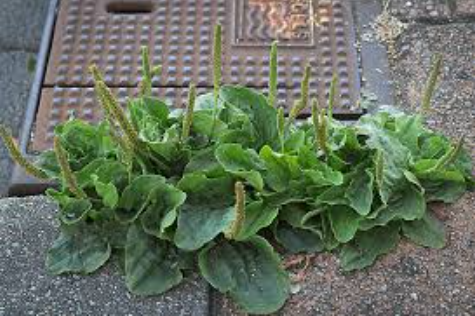
Broadleaf plantain (Plantago major) is a resilient and widespread herb often considered a common weed. However, beyond its presence in gardens and sidewalks, this humble plant holds a long-standing reputation in traditional medicine for its remarkable health benefits. Native to Europe and parts of Asia but now naturalized worldwide, broadleaf plantain has been used for centuries for its medicinal properties. Here, we explore the health benefits and uses of Plantago major.
1. Rich Nutritional Profile
Broadleaf plantain is nutrient-dense and contains essential vitamins and minerals. It is an excellent source of vitamins A, C, and K, as well as calcium, iron, and magnesium. These nutrients contribute to its role in promoting overall well-being, immune support, and tissue repair.
2. Anti-inflammatory Properties
One of the key health benefits of broadleaf plantain is its potent anti-inflammatory effect. The plant contains bioactive compounds such as flavonoids, tannins, and glycosides that help reduce inflammation. This makes it an effective remedy for skin irritations, wounds, and conditions like eczema. It can be applied topically as a poultice or infused into oils and salves to soothe inflamed areas and promote healing.
3. Wound Healing and Antibacterial Action
Broadleaf plantain has been historically used to treat cuts, burns, and other minor injuries. It contains allantoin, a compound known for its wound-healing and cell-regenerating abilities. When applied to wounds, plantain can speed up the healing process and prevent infections, thanks to its antibacterial properties. It also promotes the growth of healthy new skin and helps draw out foreign particles like splinters from the skin.
4. Respiratory Health Support
The leaves of the plantain contain mucilage, which has a soothing effect on the mucous membranes of the respiratory tract. This makes broadleaf plantain a useful remedy for coughs, bronchitis, and other respiratory issues. Its expectorant properties help in clearing phlegm and easing irritation in the throat, making it a natural remedy for respiratory infections.
5. Digestive Aid
Broadleaf plantain can be beneficial for digestive health. It is rich in fiber, particularly psyllium, which helps promote healthy bowel movements and prevent constipation. Additionally, it contains tannins that have astringent properties, making it useful for treating diarrhea and other gastrointestinal issues. The plant’s soothing mucilage also helps protect and heal irritated tissues in the digestive tract.
6. Skin Care and Anti-Aging
The antioxidants found in broadleaf plantain, such as vitamin C and flavonoids, help protect the skin from oxidative stress and premature aging. Its anti-inflammatory and hydrating properties make it a popular ingredient in natural skincare products. When applied topically, it can reduce redness, soothe irritation, and promote smoother, more youthful-looking skin.
7. Detoxifying Agent
Plantago major is known for its detoxifying properties, aiding the body in eliminating toxins through the kidneys and liver. It has mild diuretic effects, helping to flush out excess fluids and cleanse the urinary system. In traditional herbal medicine, it is often used as a blood purifier and to treat urinary tract infections.
8. Immune System Booster
The high vitamin C content in broadleaf plantain contributes to its ability to boost the immune system. It helps stimulate the production of white blood cells, which are essential for fighting infections and maintaining a healthy immune response. Regular consumption of plantain tea or incorporating the leaves into your diet can help ward off colds and other illnesses.
9. Pain Relief
Broadleaf plantain can also be used to alleviate pain. The plant’s analgesic properties help reduce pain when applied directly to the skin. It has been traditionally used to relieve the discomfort associated with insect bites, stings, and even minor burns.
How to Use Broadleaf Plantain
Broadleaf plantain can be used in various forms, depending on your needs:
- Poultice: Crush fresh leaves and apply directly to the skin to treat cuts, stings, bites, and skin irritations.
- Infusion/Tea: Dried plantain leaves can be steeped in hot water to create a tea that supports respiratory health and boosts the immune system.
- Oil or Salve: Broadleaf plantain can be infused in oil and used topically to treat dry or irritated skin.
- Salad or Greens: Young plantain leaves can be eaten raw in salads or cooked as a green vegetable. The leaves are rich in vitamins and minerals, providing a nutritional boost to your diet.
Precautions
Although broadleaf plantain is generally safe for most people when used topically or ingested in moderate amounts, it is important to consult with a healthcare provider before using it as a medicinal herb, especially if you are pregnant, nursing, or taking any medications. Some individuals may experience allergic reactions, so it’s wise to do a patch test before applying it to large areas of the skin.
Conclusion
Broadleaf plantain (Plantago major) is an underrated plant that offers a wealth of health benefits. Its anti-inflammatory, antibacterial, and wound-healing properties make it a valuable tool for natural healing, while its ability to support the digestive, respiratory, and immune systems highlights its versatility. Whether used in poultices, teas, or skincare products, broadleaf plantain is a powerful and accessible medicinal herb that deserves a place in every herbalist’s toolkit.

You must be logged in to post a comment Login