Plants
The Gentle Giants: Malva Neglecta and Malva Sylvestris in Traditional and Modern Wellness Practices
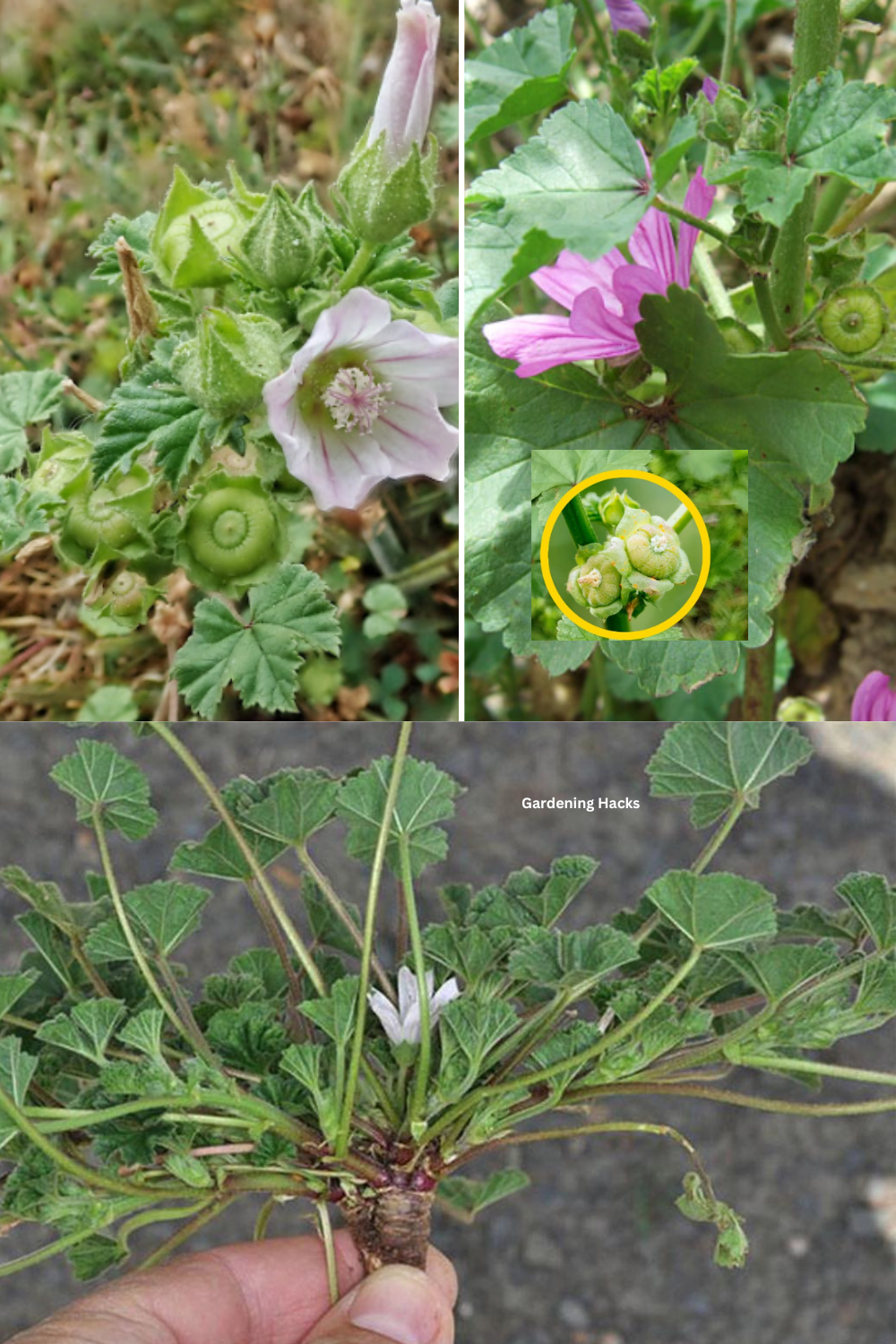
In the world of botanical wellness, few plants are as gentle yet effective as the mallow species. Malva neglecta (common mallow) and Malva sylvestris (high mallow) have been celebrated for centuries for their healing properties. These “gentle giants” of the herbal world are revered in both traditional medicine and modern wellness practices, thanks to their soothing, anti-inflammatory, and nutritional benefits. This article delves into the history, uses, and potential health benefits of these powerful yet delicate plants.
A Historical Perspective: The Roots of Healing
Both Malva neglecta and Malva sylvestris boast ancient roots in herbal medicine. In Ancient Greece, Hippocrates himself is said to have praised these plants for their emollient properties, using them to soothe irritations both internally and externally. Roman and medieval physicians also recognized their value, applying mallow to treat respiratory conditions, digestive issues, and skin ailments.
The plants’ soft, velvety leaves and flowers made them ideal for poultices, compresses, and teas. In traditional European folk medicine, mallow was commonly referred to as “omnimorbia,” or the cure for all ills, due to its wide-ranging applications. The leaves were harvested and boiled into teas or applied to skin wounds, reducing inflammation and promoting healing.
In other parts of the world, such as Asia and the Middle East, mallow species have been incorporated into both culinary and medicinal practices. The tender young leaves of Malva neglecta, in particular, were eaten as a nutrient-dense wild vegetable, while its roots were used for digestive support.
Botanical Profiles: Malva Neglecta and Malva Sylvestris
Both Malva neglecta and Malva sylvestris belong to the Malvaceae family, sharing many physical and therapeutic similarities. Here’s a closer look at each plant:
Malva Neglecta (Common Mallow)
Malva neglecta is often found growing in disturbed soils and is sometimes referred to as “cheeseweed” due to the shape of its seed pods, which resemble miniature cheese wheels. The plant grows low to the ground and has small, rounded leaves with slightly scalloped edges.
- Traditional Uses: Primarily used for its mucilaginous properties, Malva neglecta was applied in teas and poultices to soothe sore throats, treat wounds, and alleviate digestive discomfort.
- Modern Applications: It continues to be used for its demulcent properties, particularly in teas to relieve coughs, colds, and respiratory irritation. Additionally, its leaves are recognized as an edible, nutritious green, rich in vitamins and minerals.
Malva Sylvestris (High Mallow)
Malva sylvestris is a larger, upright-growing species, often reaching heights of 3-4 feet. Its dark green, lobed leaves and striking purple flowers distinguish it from M. neglecta. This variety is often favored for its showy flowers and stronger medicinal qualities.
- Traditional Uses: Like M. neglecta, Malva sylvestris was widely used for its mucilage to ease sore throats, digestive issues, and skin irritations. It was also used in baths to relieve joint pain and muscle soreness.
- Modern Applications: The plant’s flowers and leaves are still used in herbal teas and infusions for their soothing effects on the mucous membranes. Its anti-inflammatory and antioxidant properties make it a valuable ingredient in natural skin care products, particularly for dry and sensitive skin.
Healing Properties: Soothing and Protective
What makes Malva neglecta and Malva sylvestris so effective in wellness practices is their high mucilage content. Mucilage is a thick, gel-like substance that plants produce to protect their tissues from damage and dehydration. When ingested or applied topically, this mucilage forms a protective barrier, soothing irritation and promoting healing.
Anti-Inflammatory and Soothing Actions
Both species are renowned for their ability to soothe inflamed tissues. Internally, this is especially helpful for respiratory and digestive conditions, such as sore throats, coughs, gastritis, and ulcers. Externally, the leaves and flowers can be applied to irritated or dry skin, insect bites, burns, and minor wounds to calm inflammation and speed up healing.
Respiratory and Digestive Health
In traditional and modern herbalism, Malva sylvestris and Malva neglecta teas are popular remedies for coughs, colds, and bronchitis. The mucilage in the plants helps to coat the throat, reducing irritation and providing relief from coughing. Similarly, these teas are used to treat digestive inflammation, including stomach ulcers, irritable bowel syndrome (IBS), and other forms of gastrointestinal distress.
Skin Care Applications
In modern skin care, extracts from Malva sylvestris are highly valued for their anti-inflammatory and hydrating properties. The plant’s antioxidants and mucilage content make it ideal for use in creams, lotions, and serums aimed at soothing sensitive, dry, or inflamed skin. It can also help in managing conditions like eczema and psoriasis.
Nutritional Benefits
The leaves of Malva neglecta are also an excellent source of vitamins A, C, and E, as well as minerals like calcium, magnesium, and potassium. They can be eaten raw in salads or cooked like spinach, offering a nutrient-dense option for adding to meals.
Incorporating Malva into Modern Wellness Practices
Incorporating these gentle giants into modern wellness routines is simple and can be highly beneficial for both preventative and therapeutic purposes. Here are a few ways to enjoy the benefits of Malva neglecta and Malva sylvestris:
1. Herbal Tea
One of the most popular ways to use mallow is as an herbal tea. Steeping the leaves or flowers in hot water releases the mucilage, which can soothe sore throats, calm coughs, and alleviate digestive discomfort. The tea can also be used as a natural mouthwash for gum inflammation or ulcers.
2. Skin Care
Look for creams, lotions, or serums that contain mallow extract for their soothing, anti-inflammatory effects. You can also make a simple DIY compress by soaking a clean cloth in cooled mallow tea and applying it to irritated skin.
3. Edible Greens
Young Malva neglecta leaves are tender and mild in flavor, making them a great addition to salads, soups, or sautéed as a leafy green. Adding mallow to your diet can provide both nutritional benefits and gentle digestive support.
4. Natural Cough Syrup
For a natural cough syrup, mix mallow tea with honey and lemon. This can be taken in small doses to soothe irritated throats and help relieve persistent coughing.
Conclusion: Gentle Yet Powerful Allies
Malva neglecta and Malva sylvestris are much more than humble weeds or wildflowers—they are gentle giants in the world of natural healing. Their soothing, protective properties have been cherished for centuries, and their applications in modern wellness practices only continue to grow. Whether you’re sipping on a cup of mallow tea for a sore throat or using a mallow-infused cream for dry skin, these plants offer a holistic approach to health and healing that is as gentle as it is effective.

You must be logged in to post a comment Login