Herbs
Stop Buying Turmeric. Use These Clever Methods to Grow an Endless Supply at Home
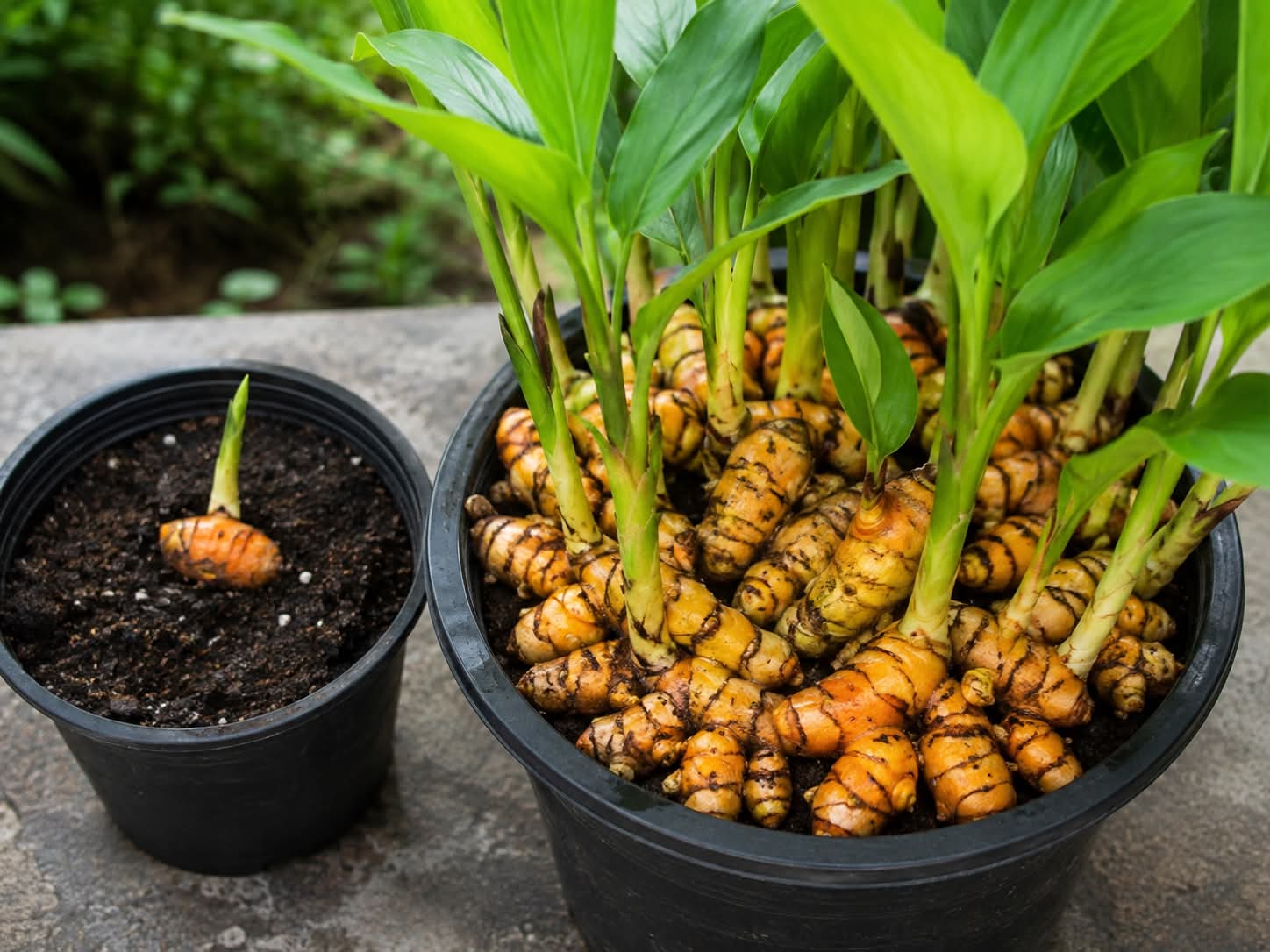
Turmeric (Curcuma longa) is celebrated worldwide as a golden superfood, prized for its earthy flavor, vivid color, and powerful anti-inflammatory compound, curcumin.
However, store-bought turmeric roots—and especially powdered turmeric – often suffer from diminished potency due to long supply chains, irradiation, and prolonged shelf storage.
Growing your own endless supply of fresh turmeric at home is far easier than most gardeners realize.
Because turmeric is a tropical perennial grown from underground rhizomes, you don’t need a farm or even an outdoor garden bed to cultivate it.
With a few grocery-store rhizomes, suitable containers, and basic care, you can establish a self-sustaining home supply that provides fresh, aromatic rhizomes year after year.
Here is a complete, step-by-step guide to growing, harvesting, and perpetually propagating your own organic turmeric at home.
The Turmeric Lifecycle: How Endless Supply Works
Turmeric grows from fleshy underground stems called rhizomes. Understanding its annual growth cycle reveals how easily you can multiply your initial planting stock indefinitely:
By retaining just 15 to 20 percent of your winter harvest to replant the following spring, you create a closed-loop system where you never need to buy turmeric again.
1. Selecting and Awakening Your Starter Rhizomes
Your journey starts with healthy starter roots, easily sourced from local organic markets, Asian grocers, or garden nurseries.
-
Choose the Right Roots: Look for plump, firm turmeric rhizomes with multiple prominent “knuckles” or growth buds. Avoid roots that look shriveled, soft, or moldy. Organic roots are preferred, as non-organic supermarket turmeric is sometimes treated with growth inhibitors to prevent sprouting on shelves.
-
The Pre-Sprouting Trick: Turmeric has a long growing season (7 to 9 months). To get a head start in early spring (February or March), place rhizomes in a damp paper towel inside an unsealed plastic bag, or lay them in shallow potting soil in a warm spot (75-85°F or 24-29°C). Within 2 to 4 weeks, green or pink buds will emerge from the nodes.
2. Choosing the Ideal Containers and Soil Mix
Because turmeric is a forest-understory tropical plant native to South Asia, recreating its natural root environment is the secret to massive harvests.
-
Container Depth & Drainage: Select wide, deep containers – such as 5-gallon fabric smart pots, large plastic tubs, or window boxes at least 12 inches deep. Fabric pots are exceptional because they allow air pruning of roots, preventing root rot while making autumn harvesting effortless.
-
Light, Nutrient-Rich Soil: Turmeric rhizomes expand horizontally underground; heavy clay or compacted soil will stunt their growth. Fill your containers with a high-drainage blend of:
-
$40% High-quality compost or aged manure
-
$40% Lightweight potting mix or coconut coir
-
$2o% Perlite or coarse sand for rapid drainage
-
3. Planting and Light Requirements
Turmeric loves warmth and bright light, but intense afternoon desert sun can scorch its broad tropical leaves.
-
Planting Depth: Cut large rhizomes into 2-to-3-inch sections, ensuring each piece has at least 2 viable sprouts or growth buds. Plant them 2 inches deep horizontally, with the buds pointing upward. Space rhizomes 6 to 8 inches apart.
-
Sunlight Strategy: Place containers where they receive 5 to 6 hours of bright morning sunlight with light afternoon shade. If growing indoors year-round, place pots near a bright south-facing window or beneath an LED grow light.
Turmeric Growing Quick-Reference Matrix
| Growth Phase | Seasonal Timing | Optimal Temp Range | Watering Frequency | Key Care Action |
| Pre-Sprouting | Feb – Mar | 75-85F (24-29°C) | Keep lightly damp | Warmth activates growth buds |
| Planting & Early Growth | Apr – May | 70-80°F (21-27°C) | Water when top inch dries | Protect from late spring frosts |
| Foliage Expansion | Jun – Aug | 80-95°F (27-35°C) | Keep consistently moist | Apply organic high-potassium feed |
| Rhizome Maturation | Sep – Oct | 65-75°F (18-24°C) | Reduce watering gradually | Foliage begins yellowing naturally |
| Harvest & Storage | Nov – Dec | <60°F <15°F | Cease watering completely | Harvest roots; store seed stock |
4. Watering and Feeding for Maximum Rhizome Expansion
Once green shoots breach the soil surface, turmeric transforms into a rapid consumer of water and nutrients.
-
Moisture Balance: Keep the soil consistently moist like a wrung-out sponge, but never waterlogged. Over-watering early in the season causes root rot, while drying out completely causes the plant to go prematurely dormant.
-
Organic Feeding: Turmeric is a heavy feeder. Every 2 to 3 weeks during summer growth, feed your plants with organic liquid kelp, fish emulsion, or compost tea. Potassium and phosphorus are crucial for expanding underground rhizome bulk.
5. The “Bandit” Harvest Method: Fresh Turmeric All Summer
You don’t have to wait until autumn to enjoy fresh turmeric. With container-grown plants, you can practice selective mid-season harvesting without killing the plant.
-
Locate the Outer Edges: In mid-to-late summer, gently brush aside the top 2 inches of soil near the edge of your container.
-
Snip a “Finger”: Locate a plump new yellow or orange outer rhizome finger extending from the central cluster. Use clean shears to snip off what you need for cooking.
-
Cover Back Up: Cover the root zone back over with fresh compost and water lightly. The main plant will continue growing happily.
Step-by-Step Main Harvest and Perpetual Propagation Protocol
When late autumn or early winter arrives, the plant’s broad green foliage will naturally begin to turn yellow and dry out. This signals that the rhizomes have reached peak size and oil concentration.
6. Preserving Your Endless Supply in the Kitchen
A single healthy pot can yield 2 to 4 pounds of fresh turmeric. To ensure none goes to waste, use these long-term preservation methods:
-
Freezing Whole Roots: Wash and dry fresh turmeric fingers, place them in airtight glass jars or freezer bags, and freeze whole. You can grate frozen turmeric directly into curries, smoothies, or teas without thawing.
-
Homemade Golden Powder: Dehydrate thin slices of fresh turmeric in a food dehydrator (or oven at 140°F / 60°C) for 6 to 8 hours until brittle. Grind in a spice grinder for the most vibrant, fragrant turmeric powder you’ve ever tasted.
-
Fresh Turmeric Paste: Purée fresh roots with a small splash of lemon juice and coconut oil, then store in the refrigerator for up to a month for quick addition to golden milk or marinades.
By mastering this simple annual cycle – planting sprouted rhizomes in spring, caring for their tropical summer growth, and reserving seed stock during winter harvest – you can break free from grocery store prices and enjoy a truly endless supply of fresh, potent turmeric right at home.
The best gardens don’t just brighten your yard – they become something you can enjoy season after season.