Gardening Guide
Spring Pruning Guide: What to Cut & What to Leave This Spring
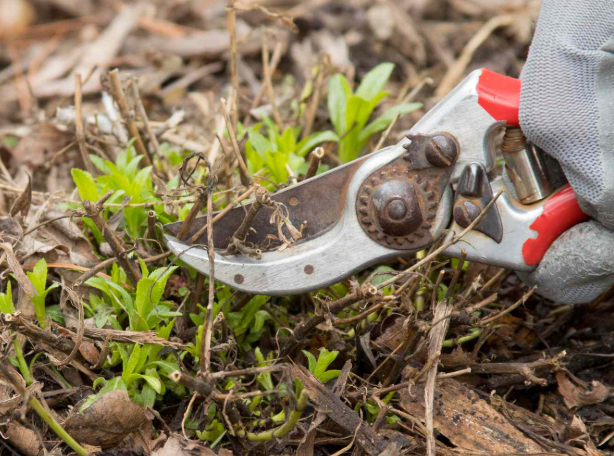
As the growing season begins, gardeners everywhere turn their attention to pruning—an essential task for maintaining healthy and vibrant plants. However, knowing what to cut and what to leave can be the difference between thriving greenery and stunted growth. This guide will help you navigate spring pruning with confidence.
Why Spring Pruning Matters
Pruning helps remove dead or diseased branches, encourages new growth, improves plant structure, and enhances flowering and fruit production. The key is to prune at the right time and in the right way to avoid damaging your plants.
What to Cut This Spring
1. Dead, Diseased, or Damaged Wood
- Inspect trees and shrubs for dead or broken branches.
- Remove any limbs showing signs of disease to prevent spreading.
2. Winter Damage
- Cut back any branches that have been harmed by frost or snow.
- Trim off brown or blackened stems on perennials.
3. Overgrown Shrubs and Trees
- Thin out congested growth to allow more light and air circulation.
- Remove crossed or rubbing branches that could cause damage over time.
4. Early-Flowering Shrubs After Blooming
- Plants like forsythia, lilacs, and camellias should be pruned right after they flower.
- Trimming too early can remove next year’s buds.
5. Perennials and Ornamental Grasses
- Cut back dead foliage from last year’s perennials to make way for new growth.
- Trim ornamental grasses to a few inches above the ground before new shoots emerge.
What to Leave This Spring
1. Spring-Flowering Shrubs Before Blooming
- Avoid pruning azaleas, rhododendrons, and viburnums before they flower.
- Pruning too early will reduce blooms for the season.
2. Evergreens
- Most evergreens require minimal pruning and can be shaped lightly in late spring or early summer.
- Heavy pruning in spring can damage the plant.
3. Late-Summer and Fall Bloomers
- Plants like hydrangeas, butterfly bushes, and certain clematis varieties bloom on new growth and should be pruned later in spring or early summer.
4. Plants with Emerging Growth
- Avoid cutting back plants showing new buds or growth tips.
- Pruning too early can expose tender growth to frost damage.
Essential Pruning Tips
- Use sharp, clean pruning shears to prevent disease spread.
- Make cuts at a 45-degree angle just above a bud or branch junction.
- Avoid excessive pruning; removing no more than one-third of the plant is ideal.
- Research specific plant needs before pruning, as each species may have different requirements.
By following these guidelines, your garden will be set up for a season of healthy growth and abundant blooms. Happy pruning!

You must be logged in to post a comment Login