Fruits
Maximize Your Harvest: Grow Strawberries and Asparagus Together
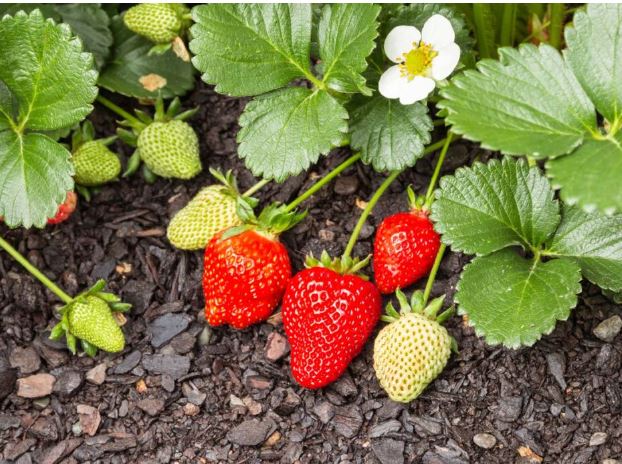
Looking to make the most of your garden space while enjoying a sweet and savory harvest? Pairing strawberries and asparagus is a clever strategy that not only maximizes yield but also creates a naturally beneficial growing environment. These two perennials thrive side-by-side, supporting one another in subtle yet powerful ways.
Here’s why and how you should grow strawberries and asparagus together:
Why This Duo Works So Well
1. Different Root Zones = No Competition
Asparagus roots grow deep into the soil, forming a strong underground crown system. Strawberries, on the other hand, have shallow roots that spread near the surface. This difference means the two crops won’t compete for nutrients or water, allowing them both to thrive in the same bed.
2. Efficient Use of Space
Asparagus grows tall fronds after harvesting season, leaving the ground space underneath relatively unused. Strawberries, acting as a living mulch, fill that space by spreading low across the soil, conserving moisture and preventing weeds.
3. Natural Weed Suppression
Strawberries provide excellent ground cover, which helps suppress weeds that might otherwise compete with asparagus. This reduces the need for manual weeding and keeps the asparagus bed clean and healthy.
4. Pest and Disease Management
Strawberries can help deter certain pests that might bother asparagus, and vice versa. Plus, keeping diverse crops together can help break up pest cycles and reduce disease outbreaks common in monoculture gardens.
How to Grow Strawberries and Asparagus Together
Step 1: Choose the Right Location
Pick a sunny location with well-draining soil. Both crops prefer full sun (at least 6–8 hours daily) and slightly acidic to neutral soil (pH 6.0–7.0).
Step 2: Start with Asparagus
Asparagus crowns should be planted first since they’re more permanent and will remain productive for 15–20 years. Plant the crowns in trenches about 12–18 inches apart and 6–8 inches deep.
Step 3: Add Strawberries Carefully
Once the asparagus has been planted and the bed filled in (usually after a few weeks), transplant strawberry runners or starts between the asparagus rows. Keep them about 12 inches apart. Choose everbearing or day-neutral varieties for a steady summer harvest.
Step 4: Mulch and Water
Use straw or shredded leaves to mulch the bed. This helps retain moisture, suppress weeds, and protect roots in both plants. Water deeply but infrequently to encourage strong root growth.
Step 5: Harvest Wisely
-
Asparagus: Do not harvest in the first year. Begin harvesting lightly in the second year, and more fully by the third.
-
Strawberries: You can harvest fruit in the first season, but pinching off early flowers can encourage stronger root development for future years.
Bonus Tips for Success
-
Avoid aggressive strawberry varieties that might smother asparagus crowns—look for controlled runners or space them generously.
-
Top-dress annually with compost to keep both plants well-fed.
-
Rotate companion crops around the perimeter if you want to diversify further (garlic, chives, and spinach are good additions).
The Bottom Line
Strawberries and asparagus are the perfect garden companions. By pairing them together, you get a double harvest from the same plot of land, naturally control weeds, and support healthy soil and root structures. With a little planning, this sweet and savory combo can become one of the most productive partnerships in your garden.

You must be logged in to post a comment Login