Plant Care, Soil & Tips
March Hydrangea Care: Essential Tasks To Prepare For Spring Blooms
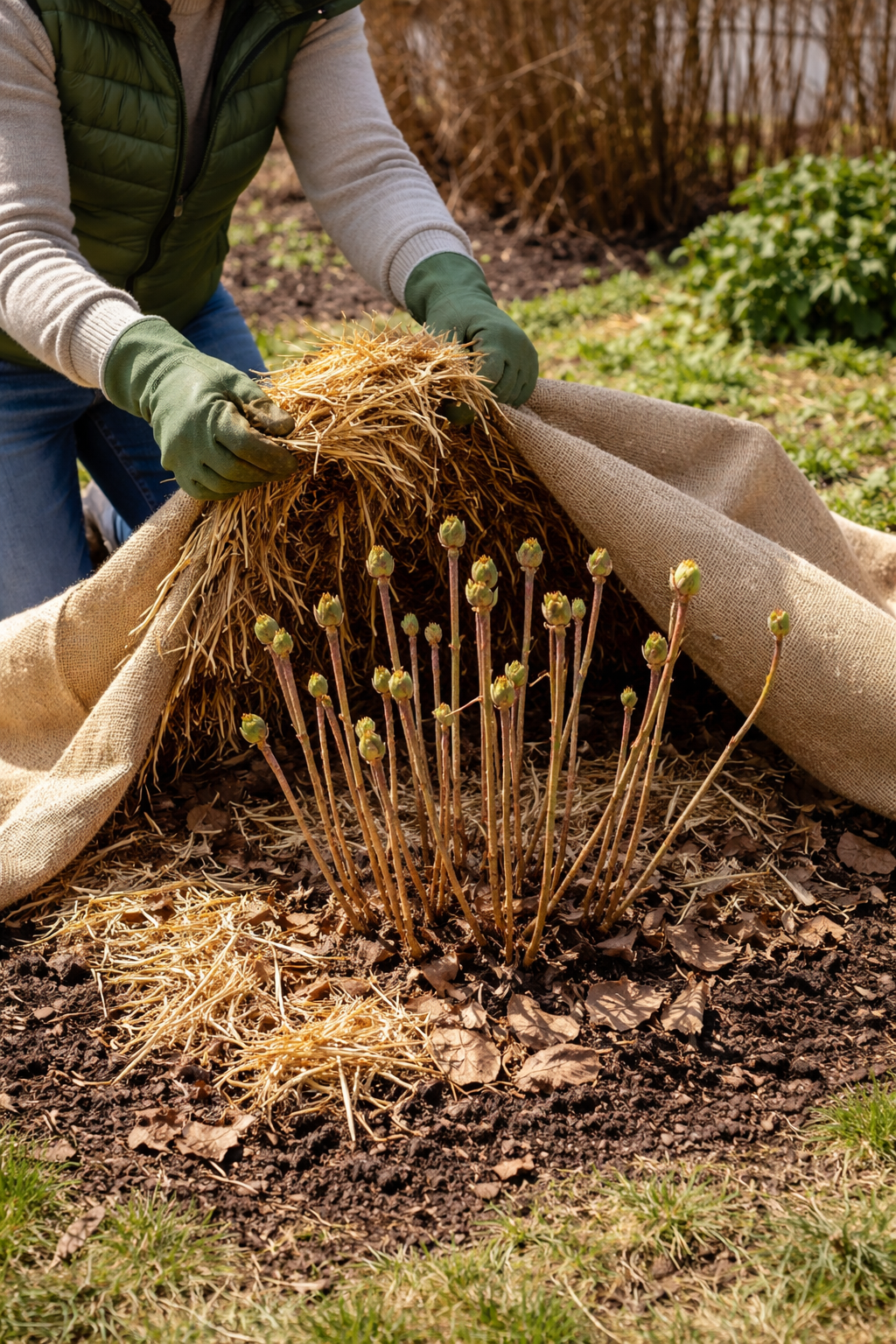
As winter fades and your garden slowly wakes up, March becomes a crucial month for hydrangea care. A few simple tasks now can mean the difference between weak growth and big, beautiful blooms later in the season. Whether you’re growing Hydrangea macrophylla, Hydrangea paniculata, or Hydrangea arborescens, early spring attention sets the stage for success.
Here’s exactly what to do in March to prepare your hydrangeas for stunning spring and summer blooms.
1. Remove Winter Protection
If you wrapped your hydrangeas in burlap or covered the base with heavy mulch for winter, early March is the time to gradually remove protection.
-
Remove coverings on mild days.
-
Keep frost cloth nearby in case of late cold snaps.
-
Avoid uncovering too early if temperatures are still freezing at night.
This helps prevent mold, rot, and weak growth.
2. Prune (But Know Your Type First!)
Pruning is the most important March task — but only if done correctly.
🔹 Hydrangeas That Bloom on Old Wood
(Like Bigleaf and Oakleaf varieties)
-
Only remove dead or damaged stems.
-
Do NOT heavily prune.
-
Look for green buds before cutting.
🔹 Hydrangeas That Bloom on New Wood
(Like Panicle and Smooth hydrangeas)
-
Cut back to about 12–24 inches above the ground.
-
Remove weak stems.
-
Shape the plant for balanced growth.
Correct pruning encourages stronger stems and larger blooms.
3. Clean Up Around the Base
March is cleanup month.
-
Remove fallen leaves and debris.
-
Clear away old mulch if it’s soggy or moldy.
-
Check for signs of pests or disease.
Good airflow prevents fungal problems later in spring.
4. Refresh the Soil
Hydrangeas love rich, well-draining soil.
-
Add compost around the base.
-
Apply a balanced slow-release fertilizer (10-10-10 works well).
-
Keep fertilizer a few inches away from stems.
This gives your plant the nutrients it needs as growth begins.
5. Adjust Soil pH (Optional)
For Bigleaf hydrangeas, soil pH affects bloom color:
-
Blue flowers prefer acidic soil.
-
Pink flowers prefer more alkaline soil.
You can add:
-
Aluminum sulfate for blue blooms.
-
Garden lime for pink blooms.
Always test soil first before adjusting.
6. Check for Winter Damage
Inspect stems carefully:
-
Scratch the bark lightly.
-
Green inside = alive.
-
Brown and dry = dead (prune it).
Removing dead wood helps redirect energy to healthy growth.
7. Water If Needed
March weather can be unpredictable. If the soil is dry:
-
Water deeply but not too frequently.
-
Avoid soggy soil.
-
Ensure proper drainage.
Hydrangeas like consistent moisture but hate waterlogged roots.
8. Apply Fresh Mulch
After soil warms slightly:
-
Add 2–3 inches of mulch.
-
Keep mulch away from direct contact with stems.
-
Use bark, pine needles, or composted leaves.
Mulch helps retain moisture and regulate soil temperature.
Common Mistakes to Avoid
❌ Pruning at the wrong time
❌ Over-fertilizing
❌ Removing live buds accidentally
❌ Ignoring late frost warnings
Taking your time in March prevents disappointment in summer.
Final Thoughts
March is the month that determines how your hydrangeas will perform all season. With proper pruning, feeding, and cleanup, your shrubs will reward you with strong stems and full blooms.
A few hours of care now can mean a garden filled with vibrant hydrangea flowers in just a few months.

You must be logged in to post a comment Login