Gardening Guide
July Gardening Tips and To-Do List
As the heat of July bakes, it’s not just plants that need a break from such oppressive conditions. With mosquitoes and ticks ready to feast on you, Southern gardeners fight an uphill battle against drought as well in order to keep their gardens alive until Fall when cooler weather arrives.
Northern gardeners should be mindful of dry conditions, but not as much so. Mid-summer is a good time to reevaluate the current state of your gardens and consider how it can better suit you for next year’s growing season!
July Gardening To-Do list for All Regions
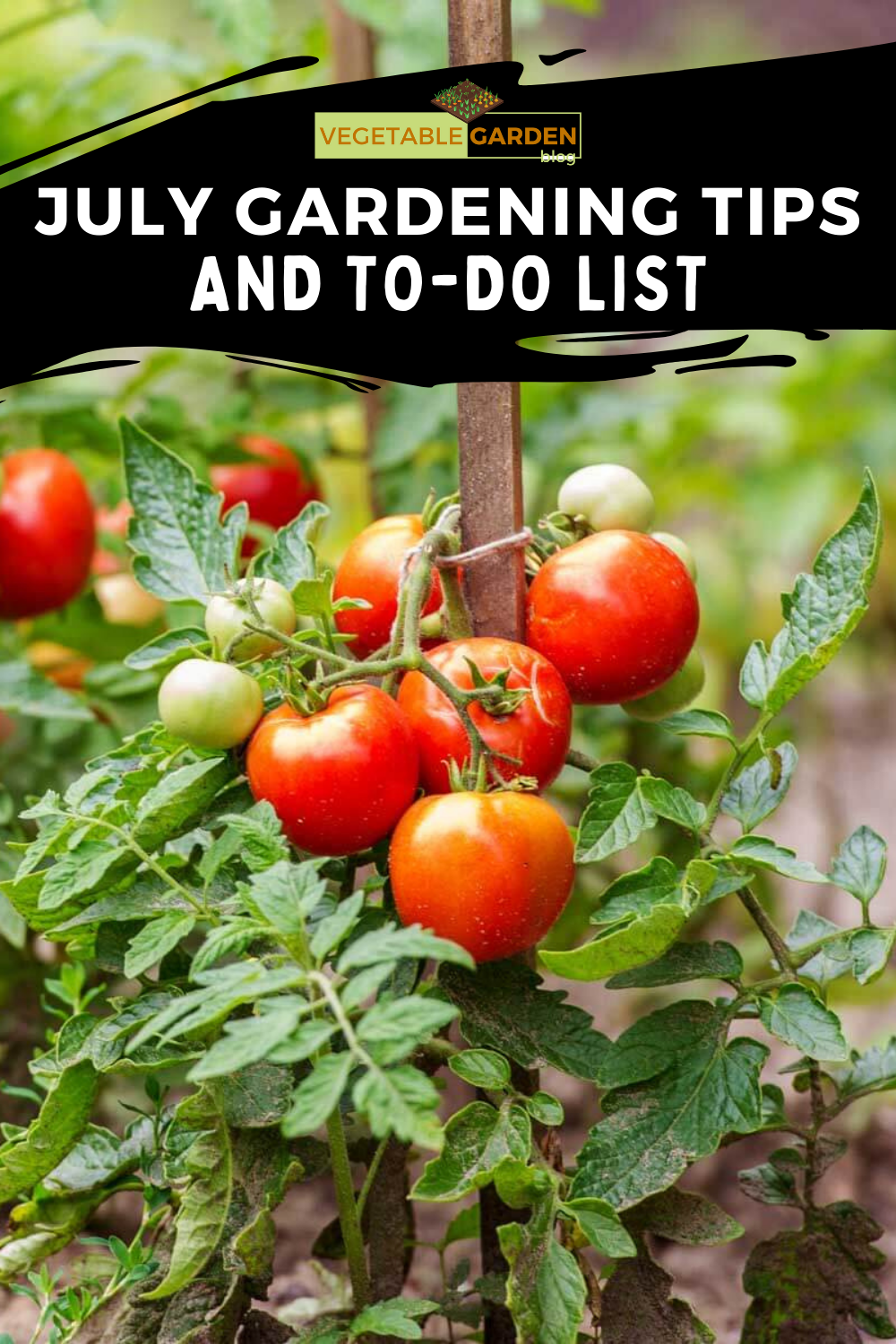
- The tomato plants are just as fragile when the suckers fall off! Be sure to remove them and then make a note of whether or not they need support–with stakes, cages, tying up.
- Scour your garden and keep an eye out for these pests: thrips, tomato fruitworm, tomato hornworm spider mites. Chinch bugs can also be found in the soil by our plants. Disease watch-outs include leaf spot disease as well as powdery mildew and rust.
- Inspect your plants for Japanese beetles, a common garden pest that can cause serious damage to many different types of vegetation. The good news is these invasive insect’s populations are on the rise from year to year and their proliferation in neighboring states may indicate they will never be eradicated!
- Fertilize your favorite heat-resistant flowers such as coleus, hibiscus, Melampodium, Pentas and plumbago. Moss rose is another great option that blooms in the shade during the summer months. Zinnias are also a good flower to have around when it’s too hot out for anything else!
- (Mid-July) The days are long but you must remember to pinch your mums. They will be bigger and better come fall, so make sure not to wait too late!
- To get more zucchini, make sure to pick what’s ripe. If you don’t give the plant any time for itself and keep picking all its fruit before it’s ready, your yields will suffer.
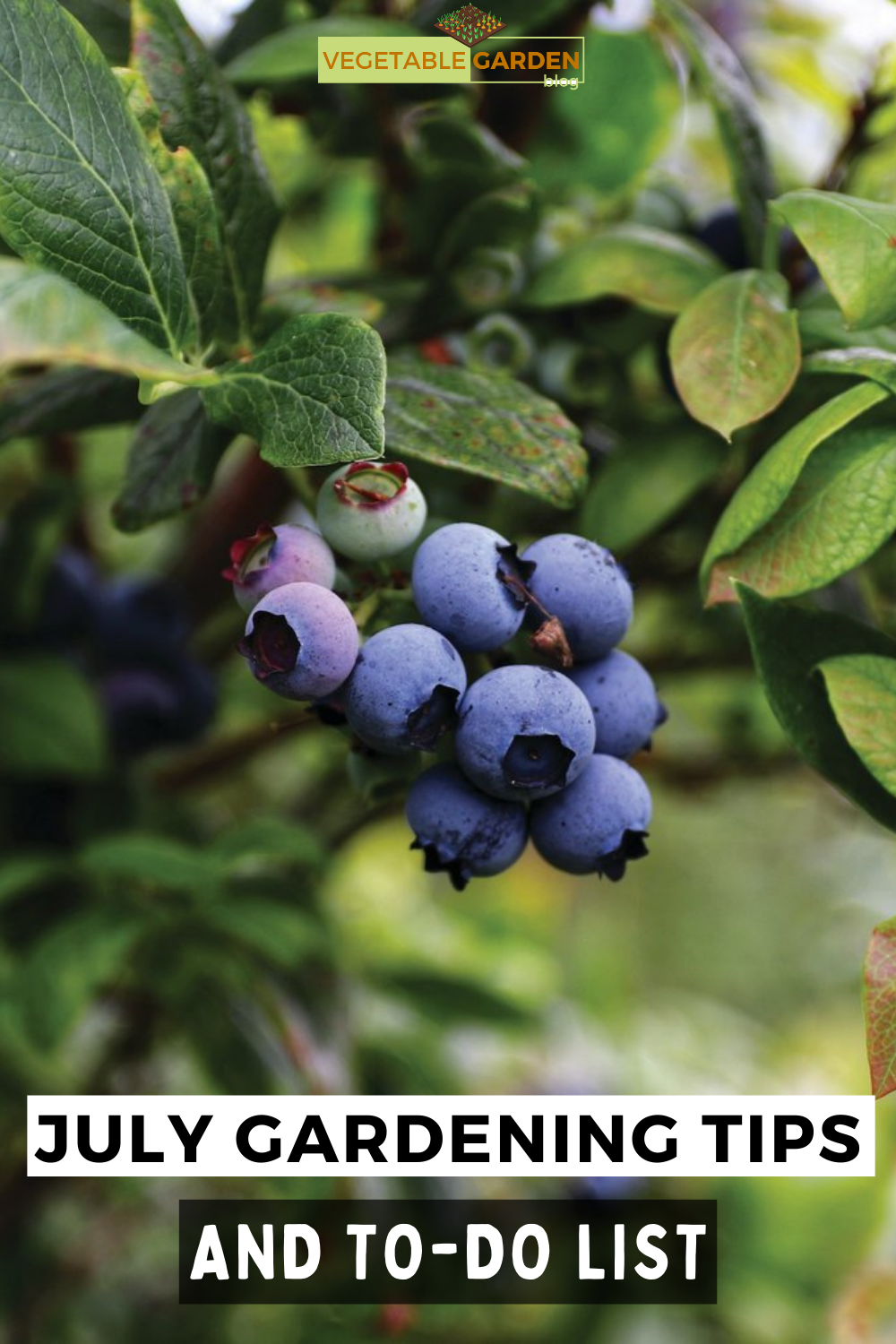
- Blueberry season is a time when gardeners must be vigilant to protect their berries from pesky birds. Blueberries are quite sweet, and the wild birds can’t resist them! If you don’t want to constantly pick blueberries before they get eaten by hungry visitors, it’s important that you practice sound bird control. The most common way of protecting your valuable fruit from the avian population is with nets or other mesh material designed for this purpose.
- Inspect the fruit trees and water sprouts that may have grown during a dry spell for any damage. Ensure these areas are clear before they steal energy from fruiting branches.
July Gardening To-Do list for Mid-Atlantic
A prolonged heat wave will likely be coming in July. To prevent your plants from dying, you must keep watering them to make sure their roots stay moist and cool. If not they could die of dehydration or overheating soon after the weather changes again!
- Allocate extra time in your garden for inspecting plants and protecting them from pesky pests like groundhogs. Consider planting rabbit-proof or groundhog-proof varieties next year to minimize the damage they can do!
- You can enjoy the garden all year long by buying annuals on sale and letting them rest in a sheltered spot during July and August. When they come back to life, you’ll be able to use these plants as part of your autumn flower beds or container gardens!
- Your irrigation system is your plant’s lifeline. A clogged-up system could spell disaster and kill the plants you love so much! The idea of a faulty automatic watering device can be extremely distressing for any gardener – it means that their precious garden may not get enough water, which will cause them to wither away into nothingness as they are denied sustenance.
July Gardening To-Do list for Midwest
The Midwest is in for some scorching days this July, and to be prepared you should keep a close eye on your plants and make sure they stay wet.
- To prevent them from wasting energy on producing seed and to fertilize your bulbs, trim off the leaves after they have yellowed.
- Late July is a great time to plant peas, since they can be harvested in the fall. Planting them now will give you fresh pea pods for months!
- There are many things to do before summer starts, like checking your irrigation system. Make sure it’s going strong and won’t short out on you when the heat hits its peak!
July Gardening To-Do list for Northeast
The Northeast sees its hottest weather in July. It’s time to go out and enjoy the beaches, but make sure you drink plenty of water before heading outside! If it feels like summer has been dragging on for too long already though, take a look around at what is blooming this month – some plants will need your help soon enough if they’re going to survive through next autumn.
- The changing of the seasons is a great opportunity to make updates in your garden. Early spring has passed, and you may notice that there are no more flowers blooming outside other than those on perennials like phlox – but even they won’t be around for long! Soon summer will roll around, bringing with it colorful bushes such as rose-of-sharon or hibiscus. Keep an eye out this year so you can learn about different flower varieties; maybe next time when we’re talking about how beautiful fall foliage looks…
- Annuals are an excellent way to bring color and life into your garden. Sweet alyssum, for example, is often on sale at this time of year because it’s past its prime as the leaves begin to fade from green back towards brown before they drop off completely in fall. With some TLC these plants will recover their beautiful flowers so that you can enjoy them again next season or use them now with other annuals like pansies!
- Harvest vegetables and berries regularly, but don’t forget to eat the ones you pick!
- (Late July:) A hot summer is finally coming to an end. The only way that can be celebrated properly is by sowing peas for a fall crop!
July Gardening To-Do list for Pacific Northwest
Summertime means sunshine and relaxation, but it also brings with it some changes to your garden. In July the average high is 76 F while the low stays around 57F. This makes this month one of our most moderate climates in terms of temperature variation which provides plenty of sun and moderates humidity levels for those hot summer days we all know so well!
- The more you deadhead your annual flowers, the more blooming they’ll do.
- Deadhead dahlias.
- Dividing irises is not for the faint of heart. You need a sharp spade and plenty of patience, but it’s worth every moment spent in labor as you see your beautiful garden bloom before your eyes!
July Gardening To-Do list for Pacific Coast
In the Northern California region, July is sunny and dry with an average high of 67 degrees Fahrenheit. In Southern California, it’s predictably warmer at 83-degree highs but just as dry with only a 64 degree low; you’ll receive virtually no rain in either state throughout this month too.
In Northern California:
- Plant cucumbers, tomatoes, peppers, okra and eggplant so they can thrive in the heat of summer.
- Fertilize your cane berries with manure, and then they will be a rich deep red color when harvested.
- When the weather gets cold and wet, spray down your grapevines to avoid getting mildew.
In Southern California:
- The best time to plant is September, but November and December are also good. The day of the week you can do this depends on your climate so check with a local expert before planting.
- The irrigation systems need to be in tip-top shape because you never know when they will fail.
- You can still plant lush, colorful trees and fruits that are reminiscent of the tropics.
July Gardening To-Do list for Southwest
In the high desert, July is hot. In Santa Fe, New Mexico for example expect an average high of 86 degrees F and an average low of 54 degrees F; you will get about 10 days a year or so rain at most in this area which makes it feel like paradise on earth when traveling from areas with more humidity to come here because its super dry but if you go three hours south into Phoenix Arizona then summertime temps are peaking as they hit 106 degree highs paired with blistering lows that make me want to never leave!
- When the summer heat and sun is in full force, your automatic irrigation system will be working at its best. Check to make sure it’s running smoothly by inspecting for any needed repairs or adjustments.
- Mulch, wherever you can to make your garden beautiful, and more importantly, save water.
- To keep your young perennials and succulents cool, provide them with some shade. You can easily do this by planting in containers so that you’re able to move the plants around as needed. Providing a little shade for your new plantings is easy! Just place pots of baby trees or other small things which will be easier to transfer when they grow too big near some taller structures like fences or buildings where there’s nice shaded areas.
July Gardening To-Do list for Southeast
Since July is hot and humid, it’s best to avoid cities in the Southeast. In Atlanta for example, they get 12 rainy days of precipitation every year on average during this month which means that you’re not going to want stay there when summertime starts taking its tolls.
- Fungal diseases are common in areas that have had a lot of rain such as this. They grow faster when you provide the right conditions, so make sure to watch your plants for these symptoms and apply fungicides if necessary! The good news is that fungal disease can be prevented by making it easier on them: create more space between plants or increase air flow with things like fans to keep fungi from getting any closer.
- You can save money by having it checked periodically to ensure that your system is up and running. You need not spend a fortune on an irrigation specialist if you know how to do this yourself.
- Succession plant sunflower seeds every few weeks. You will get a steady supply of seed this way.
- Start planning for the fall vegetable garden by adding a little bit of each type of seed to your potting soil.

You must be logged in to post a comment Login