Plant Care, Soil & Tips
How to Prune Roses in September for a Bigger Flush Next Season
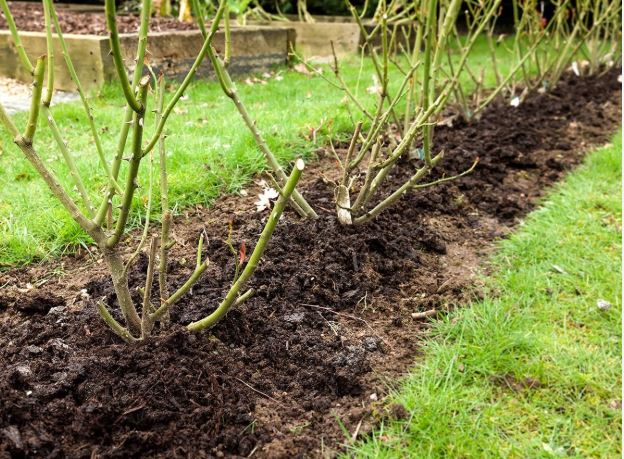
Roses are often called the “queen of flowers,” and for good reason. With their fragrant blooms, graceful stems, and timeless appeal, they can transform any garden into a work of art.
But if you want your roses to put on their very best display next year, proper pruning in September is absolutely essential.
Pruning at the right time, and in the right way, doesn’t just keep your rose bushes tidy – it directly impacts how many blooms you’ll enjoy, how large and healthy they’ll be, and how resilient the plant will remain through winter and into spring.
Why September Is the Perfect Time to Prune Roses
Timing is everything in rose care. While spring is the season for heavy pruning in many regions, September offers a unique window of opportunity to prepare your plants for the next big flush.
Here’s why:
- Cooler weather reduces stress: By September, the summer heat has usually subsided. This makes pruning less stressful on the plant and helps it redirect energy more efficiently.
- Encourages fall growth and bud setting: Pruning now stimulates fresh canes and bud formation, setting the stage for a bigger flush next season.
- Prepares for winter dormancy: September pruning helps your rose bush enter dormancy in a strong, controlled state, reducing the risk of winter dieback.
- Removes summer damage: Hot sun, pests, and disease often take a toll over summer. September pruning clears away damaged or diseased growth, protecting the plant.
Think of September pruning as a reset button for your roses – tidying them up, boosting their health, and positioning them for maximum performance next year.
Tools You’ll Need for Pruning Roses
Before you start, gather the right tools. Using the proper equipment ensures clean cuts, reduces the risk of disease, and makes the task easier.
- Bypass pruners – For small stems up to ½ inch thick. Always keep them sharp.
- Loppers – For thicker canes (up to 1½ inches). Provide extra leverage.
- Pruning saw – For very old, woody canes.
- Gloves – Thick, thorn-proof gloves to protect your hands.
- Disinfectant spray – To sterilize tools between cuts, especially if disease is present.
Pro Tip: Always sanitize tools between plants (or between diseased and healthy canes on the same plant) to prevent spreading black spot, rust, or powdery mildew.
Step-by-Step Guide: How to Prune Roses in September
1. Start with a General Clean-Up
Remove all dead leaves, fallen petals, and debris from around the base of the plant. This helps prevent fungal diseases and gives you a clear view of the rose bush’s structure.
2. Remove Dead, Diseased, or Damaged Wood
Look for canes that are:
- Blackened or shriveled (dead).
- Speckled with spots or mildew (diseased).
- Broken or cracked (damaged).
Cut these canes back to healthy green wood.
3. Cut Out Crossing or Rubbing Canes
When canes cross and rub against each other, they create wounds that invite disease. Select the strongest, healthiest cane and remove the weaker one.
4. Open Up the Center
Your goal is to create a “vase-shaped” plant with an open center. This improves air circulation, reduces fungal disease, and allows sunlight to reach all parts of the plant.
5. Shorten Long Canes
Cut back tall or unruly canes by about one-third. Always cut just above an outward-facing bud at a 45° angle. This encourages outward growth, keeping the plant open and shapely.
6. Deadhead Remaining Blooms
Snip off any faded flowers to redirect energy into root and cane development rather than seed production.
7. Thin Out Old Wood
Remove one or two of the oldest, thickest canes near the base. This stimulates new cane growth, which produces the best flowers.
Pro Tip: When pruning, always cut at a 45° angle about ¼ inch above a healthy outward-facing bud. This prevents water from collecting on the cut surface and directs growth outward.
Aftercare: What to Do Once Pruning Is Complete
- Fertilize lightly: Apply a balanced rose fertilizer or compost to support recovery.
- Water deeply: Give your roses a thorough soaking to reduce stress.
- Mulch generously: Add 2–3 inches of organic mulch around the base to conserve moisture, insulate roots, and suppress weeds.
- Inspect regularly: Watch for new growth, pests, or signs of disease.
Tailoring September Pruning to Different Rose Types
Not all roses are pruned in exactly the same way. Adjust your approach based on the type you’re growing:
Hybrid Tea Roses
Hybrid teas are the classic long-stemmed roses often used in bouquets.
Structure: Aim to keep 3–5 of the strongest canes. This ensures the plant directs energy into fewer, more robust stems, which results in larger flowers.
Pruning Height: In September, cut them back to 18–24 inches. This reduces wind rock (plants being loosened by autumn/winter winds) and keeps energy stored for spring.
Tips:
- Always prune above an outward-facing bud to encourage an open, vase-like shape.
- Remove any thin, spindly growth – these won’t produce quality blooms.
- If black spot or powdery mildew has been an issue, be extra vigilant in cutting away diseased foliage and disinfect tools.
Floribunda Roses
Floribundas produce clusters of smaller blooms, providing a mass of color.
Structure: Unlike hybrid teas, floribundas benefit from being kept bushier to encourage multiple stems.
Pruning Height: Cut back the plant by one-third to one-half. This encourages branching and more flower clusters.
Tips:
- Focus on balance: don’t cut too hard or you’ll lose the lush, floriferous quality.
- Encourage outward growth to improve airflow and reduce fungal issues.
- If the plant is older, thin one or two of the oldest canes to encourage younger, more vigorous growth.
Climbing Roses
Climbers add vertical drama to walls, trellises, or arches.
Structure: Main canes are your framework. Avoid cutting these unless they are diseased or dead.
Pruning: Remove side shoots that have flowered back to about 2–3 buds from the main cane. This stimulates fresh laterals, which will bloom next season.
Tips:
- Train new canes horizontally. Horizontal canes produce more flowering shoots than vertical ones.
- Use soft ties or garden twine to secure canes to their support.
- After a few years, cut one old cane back to the base each season to rejuvenate the plant.
Shrub Roses
Shrub roses are hardy, low-maintenance, and naturally graceful, often grown for landscaping or mixed borders.
Structure: They don’t need the rigid shaping of hybrid teas. Light pruning maintains health while preserving their natural form.
Pruning: Remove only dead, damaged, or diseased wood. Shape lightly if necessary, but avoid cutting too hard.
Tips:
- Old garden roses (heirloom varieties) often bloom on old wood, so don’t prune them heavily in autumn.
- A light shaping now prevents wind damage over winter without compromising next year’s blooms.
- Mulch generously after pruning to protect the crown in colder climates.
Miniature Roses
Despite their size, miniatures are true roses in every way and need similar care.
Structure: Compact by nature, they benefit from light pruning to keep a tidy shape.
Pruning: Cut back lightly – usually just one-quarter of the height – to maintain symmetry.
Tips:
- Remove weak or crowded stems to improve airflow.
- Be gentle – thin stems can be brittle.
- These roses often thrive in containers, so check root health when pruning and repot if root-bound.
Extra Advice Across All Types
- Always prune with clean, sharp tools.
- Angle cuts at 45° just above an outward-facing bud.
- Clear debris around the plant after pruning to prevent overwintering pests and fungi.
- Don’t fertilize after September pruning – wait until spring when growth resumes.
Common Mistakes to Avoid When Pruning Roses in September
- Cutting too low – Avoid hard pruning in September. Save that for spring.
- Leaving stubs – Always cut close to a bud; stubs invite disease.
- Ignoring tool hygiene – Dirty pruners spread disease.
- Over-fertilizing afterward – Too much fertilizer encourages late-season growth that may be damaged by frost.
- Pruning during heat waves or frost – Extreme temperatures stress plants.
Seasonal Rose Care Calendar (Beyond Pruning)
To maximize next year’s bloom, integrate pruning into a broader seasonal care routine:
- Spring – Major pruning, heavy feeding, mulching.
- Summer – Deadhead regularly, feed every 4–6 weeks, water deeply.
- September (Fall) – Light pruning, disease cleanup, shaping.
- Winter – Protect with mulch or rose cones in colder zones.
Why Pruning in September Means More Blooms Next Year
Here’s the science:
- Energy redirection – By removing excess canes and dead growth, the plant channels energy into fewer, stronger stems.
- Stimulates bud formation – September pruning encourages the development of latent buds that will burst into bloom in spring.
- Prevents disease carryover – Cutting away diseased stems reduces fungal spores that would otherwise overwinter.
- Strengthens root growth – With less foliage to support, the plant invests energy in root development, ensuring stronger growth next year.
Pruning roses in September isn’t just a chore – it’s a gift you give your garden for the next season.
By removing the old, weak, and damaged canes, you’re setting the stage for healthier plants, stronger growth, and a spectacular flush of blooms.
Whether you grow hybrid teas, floribundas, climbers, or miniatures, these techniques will help you master the art of September pruning.
With sharp tools, a little confidence, and consistent aftercare, your roses will reward you with their best display yet.

You must be logged in to post a comment Login