Plants
How to Make Your Christmas Cactus Bloom Early Before Christmas – Simple Tips That Work
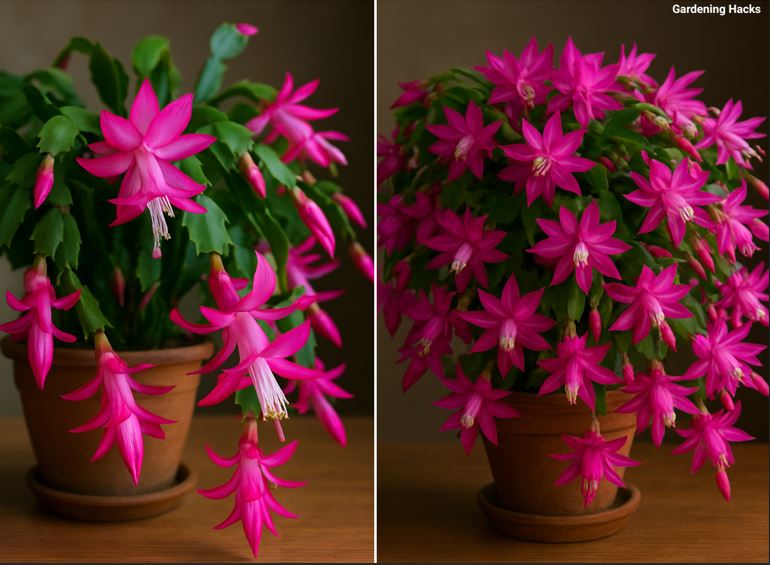
The Christmas cactus (Schlumbergera spp.) is one of the most popular and beloved holiday houseplants.
Known for its vibrant, tubular blooms that brighten homes in the darkest months of winter, it has become a symbol of celebration and warmth.
But what if your plant isn’t blooming in time for the holidays – or worse, hasn’t bloomed in years?
If that’s the case, you’re not alone. Many gardeners struggle to get their Christmas cactus to bloom on schedule.
The good news is that with the right care and a few strategic tricks, you can encourage it to flower earlier than usual – sometimes by several weeks.
The key lies in understanding the plant’s natural bloom triggers and replicating those conditions artificially.
Understanding How the Christmas Cactus Blooms
Before we dive into the tricks to force blooming, it’s essential to understand how and why this plant flowers.
Unlike most houseplants, the Christmas cactus has a unique flowering cycle that is triggered by specific environmental signals – primarily light, temperature, and day length.
Native Habitat and Natural Cycle
Christmas cacti are native to the rainforests of Brazil, where they grow as epiphytes in the shaded canopy.
In their natural environment, they bloom in response to seasonal changes that signal the transition from late spring to early summer in the Southern Hemisphere – which aligns with the winter holidays in the Northern Hemisphere.
This means that for the plant to produce flowers, certain conditions must occur:
- Shorter days (longer nights)
- Cooler temperatures
- Slight water stress
- A brief rest period after the growing season
When these conditions are met, the Christmas cactus enters its flowering phase, forming buds at the tips of its leaf segments (called cladodes). If any of these signals are missing, blooming can be delayed or fail altogether.
Why Forcing a Christmas Cactus to Bloom Works
Forcing a Christmas cactus to bloom early is not about tricking the plant – it’s about mimicking nature.
By artificially creating the same environmental cues that occur in its native habitat, you can signal the plant to start forming buds weeks ahead of schedule.
The most effective strategies focus on three main factors:
- Light Control – Manipulating day length to simulate shorter days.
- Temperature Control – Lowering nighttime temperatures to mimic the onset of the cool season.
- Water and Nutrient Management – Adjusting care to trigger the plant’s natural bloom response.
When applied together, these techniques can reliably produce buds and flowers earlier than normal – sometimes as soon as late October or early November.
Step-by-Step Guide to Forcing Your Christmas Cactus to Bloom Early
Let’s break down each stage of the process and explore how to implement it in detail.
Step 1: Prepare the Plant With Proper Post-Bloom and Summer Care
The foundation for early blooming starts months before bud formation – immediately after the previous flowering period ends.
A healthy, well-maintained plant is far more likely to respond to bloom triggers quickly and reliably.
After flowering (January – February):
- Deadhead spent blooms: Remove all faded flowers to redirect energy into growth.
- Allow a rest period: Reduce watering and stop fertilizing for 4–6 weeks to let the plant recover.
- Prune if necessary: Light pruning in early spring encourages bushier growth and more blooming points.
During the growing season (March – August):
- Increase watering: Water when the top inch of soil dries out.
- Fertilize monthly: Use a balanced liquid fertilizer (10-10-10) to support healthy growth.
- Provide bright, indirect light: Too little light during the growing season can result in fewer blooms later.
- Consider summering outdoors: Place the cactus in a shaded, sheltered spot outdoors to encourage vigorous growth.
Healthy foliage and strong new segments laid down during spring and summer will directly translate into more blooms later – and make forcing them early much easier.
Step 2: Initiate the Pre-Bloom Phase Earlier Than Normal
To force early flowering, you need to start the pre-bloom process earlier than the plant expects – typically by late August or early September instead of October.
This phase is crucial because it simulates the natural signals that tell the plant it’s time to start forming buds.
There are three main techniques to focus on during this stage:
1. Light Manipulation: The Short-Day Strategy
The Christmas cactus is a short-day plant, meaning it forms buds only when nights are long and uninterrupted by light. This is the most important factor in triggering early blooms.
How to do it:
- Starting in late August or early September, provide 13–15 hours of darkness every night for 6–8 weeks.
- During the day, place the cactus in bright, indirect light (not direct sunlight).
- At night, either move it to a dark closet or cover it with a lightproof box or black cloth.
Why it works: The plant interprets long nights as a signal that the season is changing. When paired with cooler temperatures, this triggers the hormonal response that initiates bud development.
Important tip: Even brief exposure to artificial light (like room lamps) during the dark period can disrupt the process. Consistency is key.
2. Temperature Regulation: Mimic Cool Seasonal Conditions
Temperature is the second most critical factor for triggering early flowering. Cool nights combined with shorter days are what naturally tell the plant to bloom.
How to do it:
- Keep nighttime temperatures between 55–60°F (13–16°C).
- Daytime temperatures can be slightly warmer – around 65–70°F (18–21°C).
- Avoid placing the plant near heaters, vents, or warm rooms.
Why it works: The shift in temperature mimics the natural transition to fall in the plant’s native environment. This change activates bud initiation and encourages earlier blooming.
3. Adjust Watering and Feeding: Controlled Stress
A slight reduction in water and nutrients also helps signal the plant to switch from vegetative growth to reproduction.
How to do it:
- Gradually reduce watering in late August. Allow the top 2–3 inches of soil to dry before watering again.
- Stop fertilizing entirely during the pre-bloom phase.
- Resume regular watering only once buds are visible.
Why it works: Mild water stress tells the plant that the growing season is over, and it’s time to focus on reproduction – in this case, flowering.
Step 3: Watch for Bud Formation and Adjust Care
If you follow the steps above, you should start to see tiny buds forming at the tips of the leaf segments within 4 to 6 weeks.
Once buds appear, the plant has successfully entered the blooming phase – but this is where many gardeners make critical mistakes that cause buds to drop.
To ensure they develop fully:
- Stop moving the plant: Even slight changes in light, temperature, or humidity can cause buds to abort.
- Water consistently: Keep the soil evenly moist but never soggy.
- Increase humidity: Christmas cacti prefer moderate to high humidity during bud formation. Use a pebble tray or humidifier if needed.
- Resume light feeding: Once buds are about 1 cm long, resume fertilizing every 4–6 weeks with a bloom-boosting fertilizer high in phosphorus.
Advanced Tricks for Even Earlier Blooms
For those who want to push their Christmas cactus to bloom as early as possible – even by late October – here are a few additional methods that can give you an edge:
1. Stagger the Darkness Schedule
Instead of waiting until late August to start the dark cycle, begin as early as mid-August. This gives the plant more time to respond and form buds earlier.
2. Combine Temperature and Light Control Perfectly
Synchronize your darkness schedule with a strict temperature routine. A consistent 55–58°F nighttime temperature paired with 13–15 hours of darkness accelerates bud formation significantly.
3. Use Supplemental LED Grow Lights During the Day
If your indoor light is weak in early fall, supplement with LED grow lights for 12 hours of bright indirect light during the day. Stronger daytime light combined with long nights can boost blooming speed.
4. Slight Root Restriction
Christmas cacti bloom more readily when slightly root-bound. If your plant is in a pot that’s too large, consider repotting it into a smaller container in spring to encourage more abundant and earlier flowering.
Common Mistakes to Avoid When Forcing Blooms
Even when following the correct steps, certain mistakes can ruin your efforts and delay blooming.
Here’s what to watch for:
- Inconsistent darkness – Even brief exposure to artificial light during the night cycle can prevent bud formation.
- Sudden temperature changes – Fluctuating temperatures can confuse the plant and halt the blooming process.
- Overwatering during pre-bloom phase – Too much water encourages vegetative growth instead of bud production.
- Moving the plant once buds form – Relocating the plant can cause buds to drop due to stress.
- Pruning too late in the season – Heavy pruning in late summer removes the tips where buds would form.
Troubleshooting: If Your Plant Still Won’t Bloom
If you’ve followed all the steps and your Christmas cactus still isn’t producing buds, consider these possible causes:
- Too much artificial light: Even small amounts of light during the dark cycle can prevent flowering.
- High nighttime temperatures: Bud formation requires cooler nights. Temperatures above 68°F (20°C) can stop the process.
- Too much fertilizer: Excess nitrogen promotes foliage growth at the expense of flowers.
- Age of the plant: Very young plants (under 2 years old) may not bloom reliably yet.
- Improper watering: Too much or too little water during bud formation can cause buds to drop or fail to develop.
Seasonal Timeline: Forcing a Christmas Cactus to Bloom Early
Here’s a suggested month-by-month schedule if you want your cactus to bloom 3–5 weeks ahead of the holidays:
- January – February: Deadhead spent blooms and allow a rest period.
- March – August: Provide regular care – bright light, watering, and monthly feeding.
- Mid-August: Begin darkness cycle and lower nighttime temperatures.
- September: Maintain strict dark/cool conditions and reduce watering.
- Late September – Early October: Buds should start forming. Resume light watering and moderate humidity.
- Late October – Early November: Enjoy early blooms, weeks before the holiday season.
Long-Term Blooming Strategy: Yearly Maintenance for Early Flowers
Forcing your cactus to bloom early isn’t just a one-time trick – you can do it every year by syncing its care with the seasonal cycle.
Over time, the plant will become accustomed to the routine and respond even more reliably.
Here’s how to build an annual schedule:
- Post-bloom care (Winter): Rest and recovery.
- Growth phase (Spring to mid-summer): Water, fertilize, and encourage new segment growth.
- Pre-bloom trigger (Late summer): Initiate short days, cooler nights, and water reduction.
- Bud development (Fall): Keep conditions stable and consistent.
- Flowering (Late fall to winter): Enjoy the blooms – and repeat the cycle.
Getting a Christmas cactus to bloom early isn’t about rushing nature – it’s about understanding it.
By learning how the plant interprets seasonal signals and then replicating them ahead of schedule, you can reliably encourage it to bloom weeks before it normally would.

You must be logged in to post a comment Login