Growing Vegetables
How to Grow Tomatoes Fast and Achieve Big Harvests at Home
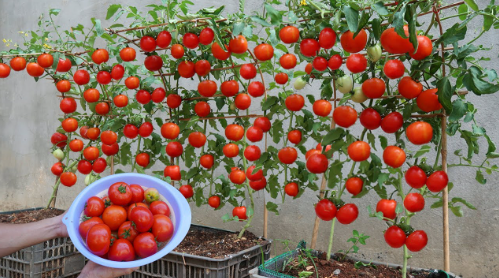
Tomatoes are one of the most rewarding crops to grow at home. With the right techniques, you can speed up their growth and maximize your harvest. Whether you are a beginner or an experienced gardener, follow these expert tips to grow healthy, productive tomato plants.
1. Choose the Right Tomato Variety
Selecting the right tomato variety plays a crucial role in how fast they grow and how much they produce. Determinate varieties, such as ‘Roma’ and ‘Celebrity,’ grow quickly and provide a concentrated harvest. Indeterminate varieties, like ‘Beefsteak’ and ‘Cherry’ tomatoes, continue producing throughout the season but may take longer to mature.
2. Start with Quality Seeds or Seedlings
For a fast start, use high-quality seeds or purchase healthy seedlings from a trusted nursery. If starting from seeds, plant them indoors 6-8 weeks before the last expected frost to give them a head start.
3. Provide Optimal Soil Conditions
Tomatoes thrive in nutrient-rich, well-draining soil. To prepare your soil:
- Use a mix of compost, aged manure, and organic matter to enhance fertility.
- Maintain a soil pH between 6.2 and 6.8 for optimal nutrient uptake.
- Add calcium sources like crushed eggshells or gypsum to prevent blossom-end rot.
4. Plant in a Sunny Location
Tomatoes require at least 6-8 hours of direct sunlight daily. The more sunlight they receive, the faster they grow and produce fruit. Choose a warm, sheltered spot in your garden to protect plants from strong winds.
5. Water Deeply and Consistently
Consistent watering is key to fast growth and high yields:
- Water deeply at the base of the plant 2-3 times per week, depending on weather conditions.
- Avoid overhead watering to prevent fungal diseases.
- Use mulch to retain moisture and regulate soil temperature.
6. Feed Your Tomatoes Regularly
Tomatoes are heavy feeders and require a steady supply of nutrients:
- Use a balanced organic fertilizer (10-10-10) at planting time.
- Once fruiting begins, switch to a fertilizer high in phosphorus and potassium (such as 5-10-10) to encourage flowering and fruit development.
- Supplement with compost tea or fish emulsion for additional nutrients.
7. Support Your Plants
Using cages, stakes, or trellises helps tomato plants grow upward, promoting better air circulation and reducing disease risk. Supporting plants also prevents fruit from touching the ground, which can lead to rot or pest issues.
8. Prune and Remove Suckers
Pruning helps direct energy toward fruit production rather than excessive foliage growth:
- Remove suckers (small shoots growing between the main stem and branches) to improve airflow and focus plant energy on fruiting.
- Trim lower leaves that touch the soil to reduce the risk of fungal infections.
9. Protect Against Pests and Diseases
To ensure a healthy crop, take preventive measures against common tomato problems:
- Rotate crops yearly to prevent soil-borne diseases.
- Use natural pest control methods like neem oil or companion planting with basil and marigolds.
- Inspect plants regularly for pests such as aphids, hornworms, and whiteflies.
10. Harvest at the Right Time
Picking tomatoes at the right stage ensures better flavor and continuous production:
- Harvest when the fruit is fully colored and slightly firm to the touch.
- If cold weather approaches, pick green tomatoes and allow them to ripen indoors in a warm, airy spot.
Conclusion
Growing tomatoes quickly and achieving a big harvest requires proper planning and care. By choosing the right variety, providing nutrient-rich soil, ensuring consistent watering, and protecting against pests, you can enjoy a bountiful tomato crop at home. Follow these steps, and you’ll soon be harvesting juicy, homegrown tomatoes for your meals!

You must be logged in to post a comment Login