Growing Vegetables
How To Grow Rhubarb + 10 Ways To Use It
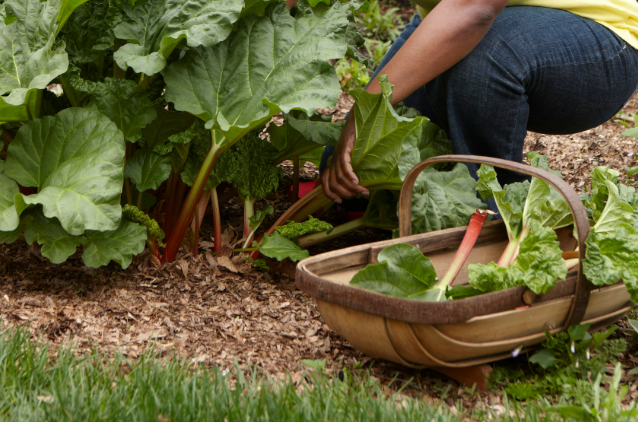
Rhubarb is one of those garden plants that rewards patience. Plant it in the right location, give it time to establish, and a healthy crown can produce thick, colorful stalks every spring for many years.
Unlike tomatoes, cucumbers, or beans that need to be replanted each season, rhubarb is a long-lived perennial vegetable. Although we usually prepare it like a fruit—turning it into pies, jams, sauces, and desserts—rhubarb is botanically a vegetable.
Its tart flavor is unmistakable. Fresh stalks can be intensely sour, which is why rhubarb is traditionally combined with sweeter fruits such as strawberries, apples, and raspberries.
There is one essential safety rule, however:
Eat the stalks, not the leaves. Rhubarb leaves contain high levels of oxalic acid and other compounds and should not be eaten.
With that in mind, here’s how to establish a productive rhubarb patch—and 10 ways to enjoy your harvest.
Why Rhubarb Is Worth Growing
Rhubarb is particularly valuable for gardeners who like perennial food crops.
Once established, you don’t need to sow seeds every spring. The crown survives underground through winter and produces fresh stalks again when temperatures rise.
A mature plant can become quite large, with enormous leaves held above thick red, pink, or green stalks.
Why gardeners love rhubarb:
- It’s a perennial crop.
- Established plants can produce for many years.
- It tolerates cold winters well.
- It produces early in the growing season.
- It requires relatively little maintenance once established.
- Stalks can be frozen for later use.
- One mature plant can produce a substantial harvest.
Rhubarb performs particularly well in climates with cold winters because the plant benefits from a winter dormancy period.
Where to Plant Rhubarb
Choosing the location carefully is important because rhubarb isn’t something you’ll want to move every year.
Give it a permanent position where the large leaves won’t crowd smaller vegetables.
Rhubarb generally performs best in full sun, although some afternoon shade can be useful in warmer regions.
More importantly, it needs fertile soil with good drainage.
The plant appreciates consistent moisture but dislikes sitting in waterlogged ground, which can encourage crown and root problems.
Choose a location with:
- Full sun or light partial shade
- Deep, fertile soil
- Good drainage
- Plenty of organic matter
- Room for the plant to expand
- Easy access to water
Don’t squeeze rhubarb between closely planted vegetables. A mature crown can become several feet across.
Prepare the Soil Before Planting
Because rhubarb may remain in the same place for years, improving the soil before planting is worthwhile.
Remove perennial weeds first.
Then work well-rotted compost or aged manure into the planting area. This adds organic matter and helps the soil retain moisture without becoming compacted.
Avoid planting directly into fresh manure.
Rhubarb is a relatively hungry plant compared with many herbs and perennial ornamentals, so fertile soil helps support the production of those large leaves and thick stalks.
Before planting:
- Remove weeds and roots.
- Loosen compacted soil.
- Incorporate mature compost.
- Make sure excess water can drain.
- Leave plenty of space between crowns.
Good preparation now can save years of problems later.
Plant Crowns for Faster Results
Rhubarb can be grown from seed, but gardeners usually get faster and more predictable results by planting crowns or divisions.
A crown is an established piece of the plant containing roots and buds.
Plant crowns in early spring while they’re dormant or just beginning to grow. Fall planting may also work in suitable climates.
Position the crown so the buds sit close to the soil surface rather than burying it deeply.
Firm the soil gently and water thoroughly.
Spacing matters
Depending on the variety, leave roughly 3 to 4 feet between plants.
That may look excessive when you’re staring at a small crown, but mature rhubarb plants need considerable room.
Be Patient During the First Year
This is probably the hardest part of growing rhubarb.
You plant a beautiful crown, watch large stalks appear—and then you’re told not to harvest them.
There is a good reason.
During its first season, rhubarb needs to direct energy into developing a strong crown and root system.
Removing too many stalks too soon reduces the amount of leaf area available for photosynthesis and may weaken establishment.
First year:
Ideally, allow the plant to grow without significant harvesting.
Second year:
Take a limited harvest if the plant is growing strongly.
Mature plants:
Once well established, you can harvest more regularly during the normal rhubarb season.
A little patience at the beginning can help create a much stronger plant for future years.
How to Water Rhubarb
Rhubarb’s enormous leaves lose a considerable amount of moisture, so established plants appreciate consistent watering during dry weather.
Deep watering is better than frequent shallow sprinkling.
Allow water to penetrate into the root zone, then let the upper soil begin drying somewhat before watering again.
Mulching around the plant can help maintain more consistent moisture.
Use compost, shredded leaves, or another suitable organic mulch, but avoid piling wet material directly against the crown.
During dry weather:
- Check the soil regularly.
- Water deeply.
- Avoid prolonged drought.
- Mulch to conserve moisture.
- Don’t keep the crown permanently soggy.
Consistent moisture generally encourages better stalk development.
Feed Your Rhubarb
Rhubarb produces a tremendous amount of foliage every season and benefits from fertile soil.
In spring, spread mature compost or well-rotted manure around the plant without burying the crown.
Additional feeding may be appropriate depending on your soil.
Avoid assuming that more fertilizer always means larger stalks. Excessive feeding—particularly with inappropriate fertilizer—can create imbalanced growth.
Healthy soil rich in organic matter is the foundation.
Remove Flower Stalks
Mature rhubarb sometimes sends up a tall flowering stalk.
It’s very different from the normal edible leaf stalks and may quickly rise above the rest of the plant.
If your goal is stalk production, remove flower stalks when you notice them.
Flowering redirects energy toward reproduction and seed production.
Cut the flower stalk close to its base without damaging the surrounding crown.
Why does rhubarb flower?
Flowering may be influenced by:
- Plant maturity
- Variety
- Weather
- Stress
Seeing a flower stalk doesn’t mean your plant is dying.
Simply remove it and continue normal care.
How to Harvest Rhubarb Correctly
Harvest rhubarb when the stalks have reached a useful size and the plant is actively growing.
Don’t judge ripeness entirely by color.
Some varieties naturally produce green or partly green stalks even when they’re perfectly ready to harvest.
Rather than cutting every stalk at once, take a portion of the mature stalks and leave plenty of healthy growth behind.
Traditionally, stalks are harvested by holding them near the base and pulling with a gentle twist so they separate from the crown.
After harvesting:
Remove the leaves immediately and don’t eat them.
Only the stalk is used for food.
Wash the stalks and refrigerate them if you’re not using them immediately.
When to Stop Harvesting
Don’t harvest rhubarb continuously until the plant has nothing left.
The remaining leaves need time to photosynthesize and replenish the crown’s energy reserves for next year.
After the main harvest period, allow the plant to grow undisturbed.
This is especially important for younger plants.
Think of the leaves remaining after harvest as next year’s investment.
What Happens to Rhubarb in Winter?
In cold climates, rhubarb naturally dies back after frost.
The large leaves collapse and the visible portion of the plant disappears, while the crown remains alive underground.
Remove dead foliage once it has naturally died back.
Then leave the crown dormant through winter.
Fresh buds should emerge again when conditions warm in spring.
Don’t panic when your enormous summer rhubarb plant apparently disappears. Dormancy is part of its natural cycle.
Dividing an Old Rhubarb Plant
After several years, a large rhubarb crown may become crowded or less productive.
This is a good opportunity to divide it.
During dormancy, dig around the crown carefully and lift it from the soil.
Use a sharp spade to divide it into sections, making sure each healthy division contains roots and at least one strong bud.
Replant the divisions and treat them like newly established plants while their roots recover.
Division gives you:
- Rejuvenated plants
- More rhubarb crowns
- Plants to share with friends
- A way to control an oversized clump
One established plant can eventually become several.
10 Ways to Use Fresh Rhubarb
Once your plants mature, the problem may change from “When can I harvest?” to “What am I going to do with all this rhubarb?”
Fortunately, there are plenty of options.
1. Make Classic Rhubarb Pie
Pie is probably the most famous use for rhubarb.
Its sharp acidity works beautifully with sugar and buttery pastry.
Chop cleaned stalks into small pieces and combine them with sugar and an appropriate thickener before adding them to your pie crust.
As rhubarb cooks, it softens considerably and releases plenty of liquid.
Try combining rhubarb with:
- Strawberries
- Raspberries
- Apples
- Orange zest
- Ginger
- Cinnamon
Strawberry-rhubarb pie is particularly popular because sweet strawberries balance rhubarb’s natural tartness.
2. Cook a Simple Rhubarb Compote
Compote is one of the easiest ways to use a large handful of stalks.
Chop the rhubarb and place it in a saucepan with a little sugar and a splash of water.
Cook gently until the pieces soften and begin breaking down.
You can leave it chunky or cook it longer for a smoother texture.
Serve rhubarb compote over:
- Yogurt
- Oatmeal
- Pancakes
- Waffles
- Ice cream
- Cheesecake
Store it in the refrigerator and you’ll have an easy rhubarb topping ready for breakfast or dessert.
3. Make Rhubarb Jam
If your garden produces more rhubarb than you can eat fresh, jam is an obvious choice.
Rhubarb can be used alone or combined with sweeter fruits.
Strawberry and rhubarb are the classic combination, but raspberry-rhubarb and apple-rhubarb are also delicious.
For shelf-stable preserves, always follow a tested canning recipe rather than improvising ingredient proportions or processing times.
For simpler refrigerator jam, make a small batch and keep it chilled.
4. Bake Rhubarb Crumble
A crumble is easier than pie but delivers much of the same comforting flavor.
Place chopped rhubarb in a baking dish with sugar, then cover it with a crumbly mixture containing ingredients such as flour, oats, butter, and brown sugar.
Bake until the fruit becomes soft and bubbling and the topping turns golden.
Serve it warm with yogurt, whipped cream, custard, or vanilla ice cream.
This is particularly useful when you have several cups of rhubarb that need to be used quickly.
5. Roast Rhubarb
Roasting is a simple way to cook rhubarb while preserving more of its shape.
Cut the stalks into pieces and place them in a baking dish.
Add a modest amount of sugar and, if desired, vanilla, ginger, orange zest, or another complementary flavor.
Roast until tender but not completely collapsed.
The result can be served warm or cold.
Roasted rhubarb works especially well with yogurt, porridge, granola, desserts, and even some savory dishes.
6. Make Rhubarb Syrup
Rhubarb’s color and tart flavor make it perfect for homemade syrup.
Simmer chopped rhubarb with water and sugar until the stalks soften and release their flavor.
Strain the liquid and refrigerate it.
Use the syrup in:
- Sparkling water
- Lemonade
- Iced tea
- Mocktails
- Cocktails
- Desserts
A splash of rhubarb syrup in cold sparkling water creates an especially refreshing spring or summer drink.
Don’t discard the softened rhubarb left after straining—it can often be eaten like a compote.
7. Bake Rhubarb Muffins or Cakes
Rhubarb’s tartness provides an excellent contrast to sweet cake batter.
f tart fruit throughout the cake.
8. Make Rhubarb Chutney
Rhubarb doesn’t have to be used only in desserts.
Its sharp flavor works surprisingly well in savory chutneys.
Cook rhubarb with ingredients such as onion, vinegar, sugar, ginger, and suitable spices until the mixture becomes thick and flavorful.
The combination of sweet, sour, and savory flavors can pair well with cheeses, roasted foods, sandwiches, and other dishes.
Again, if you intend to can chutney for long-term room-temperature storage, use a tested preservation recipe.
9. Freeze Rhubarb for Later
When you’re overwhelmed with fresh stalks, freezing may be the easiest solution of all.
Wash the stalks, remove all leaves, and cut the stalks into pieces.
Spread the pieces in a single layer on a baking sheet and freeze until firm.
Then transfer them to a freezer-safe container or bag.
Why freeze them separately first?
It prevents the pieces from freezing into one enormous block.
You can then take out only the amount you need for:
- Pies
- Compotes
- Crumbles
- Sauces
- Baking
Frozen rhubarb becomes softer after thawing, but that’s usually not a problem for cooked recipes.
10. Make a Rhubarb Sauce
Rhubarb can also be turned into a versatile sweet-tart sauce.
Simmer chopped stalks with a little water and sweetener until soft.
Add flavors such as ginger, vanilla, cinnamon, orange, or berries depending on how you plan to use it.
For a smooth sauce, blend after cooking.
A sweeter version works beautifully with desserts, while a less-sweet version can complement certain savory dishes.
It’s also an excellent way to use stalks that aren’t perfectly shaped or attractive enough for decorative desserts.
Important: Never Eat Rhubarb Leaves
This deserves repeating because rhubarb is unusual compared with many garden vegetables.
The stalks are edible. The leaves are not.
Rhubarb leaves contain relatively high concentrations of oxalic acid as well as other potentially harmful compounds and should not be used in smoothies, teas, salads, or homemade remedies.
Remove them after harvesting and keep them out of the kitchen.
The edible stalks themselves naturally contain some oxalate too, as do a number of other foods, but the leaves are the portion that should specifically be avoided.
Rhubarb is one of the most rewarding edible perennials to establish in a cool-climate garden.
The best gardens don’t just brighten your yard – they become something you can enjoy season after season.