Growing Vegetables
How to Grow Bell Peppers at Home
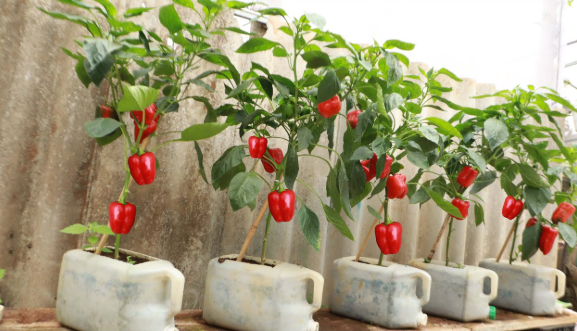
Bell peppers are a versatile and nutritious vegetable that can easily be grown at home, whether in a garden or in containers. With the right conditions and proper care, you can enjoy a bountiful harvest of sweet, colorful peppers. Here’s a step-by-step guide to growing bell peppers successfully.
1. Choose the Right Variety
Bell peppers come in various colors, including green, red, yellow, orange, and even purple. Some popular varieties include California Wonder, Yolo Wonder, and Big Red. Choose a variety that suits your climate and taste preferences.
2. Start with Quality Seeds or Seedlings
You can start bell peppers from seeds indoors or buy young seedlings from a nursery. If starting from seeds, plant them indoors 8-10 weeks before the last frost date in your area. Use seed trays with quality potting mix, and keep them in a warm, sunny location.
3. Transplanting Outdoors
Once the seedlings have grown to about 6-8 inches tall and the outdoor temperatures consistently stay above 60°F (15°C), they are ready to be transplanted. Choose a sunny location with well-draining soil. Space the plants about 18-24 inches apart to allow proper air circulation.
4. Soil and Watering Requirements
Bell peppers thrive in rich, well-drained soil with a pH between 6.0 and 6.8. Amend the soil with compost or organic matter to improve fertility. Water the plants consistently, ensuring the soil remains moist but not waterlogged. Mulching around the plants can help retain moisture and regulate soil temperature.
5. Provide Proper Support
Although bell peppers are not heavy climbers, they can benefit from stakes or small cages to prevent the stems from bending under the weight of the fruit.
6. Fertilizing for Healthy Growth
Feed the plants with a balanced fertilizer, such as a 10-10-10 mix, every few weeks. Avoid excessive nitrogen, as it promotes leafy growth at the expense of fruit production.
7. Pest and Disease Management
Keep an eye out for common pests like aphids, caterpillars, and spider mites. You can control them using natural predators like ladybugs or insecticidal soap. To prevent diseases, avoid overwatering and provide good air circulation.
8. Harvesting Your Bell Peppers
Bell peppers can be harvested when they reach their full size and desired color. Green peppers are simply unripe versions of colored ones, so leaving them longer on the plant will allow them to turn red, yellow, or orange. Use a sharp knife or scissors to cut the peppers off the plant to avoid damaging the stems.
9. Storing and Using Bell Peppers
Freshly harvested bell peppers can be stored in the refrigerator for up to two weeks. They can also be chopped and frozen for longer storage. Use them in salads, stir-fries, stuffed recipes, or grilled dishes.
Conclusion
Growing bell peppers at home is a rewarding and enjoyable experience. With proper care, the right conditions, and a little patience, you can enjoy fresh, flavorful peppers straight from your garden. Whether you have a large backyard or a small balcony, bell peppers are an excellent addition to your homegrown vegetable collection.

You must be logged in to post a comment Login