Gardening Guide
How to Grow an Almond Tree from Seeds at Home
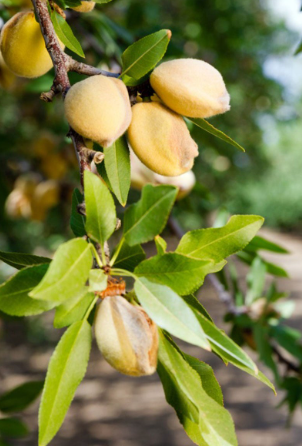
Almond trees not only produce delicious and nutritious nuts but also add beauty to any landscape with their delicate pink and white blossoms. While it may seem daunting to grow these trees from seeds, with the right knowledge and care, it’s entirely achievable right in your own home. This guide will walk you through the process step by step, from selecting the seeds to nurturing the saplings until they’re ready to be transplanted.
- Seed Selection:
- Begin by acquiring almond seeds. You can purchase them from a nursery or obtain them from fresh almonds.
- Opt for raw, unprocessed almonds for best results.
- Soak the seeds in water overnight to help soften the shell and aid germination.
- Preparing the Soil:
- Choose a well-draining potting mix rich in organic matter.
- Fill small pots or seed trays with the soil mix, leaving about an inch of space below the rim for watering.
- Planting the Seeds:
- Select the seeds that have swelled during soaking, indicating they are ready for planting.
- Plant each seed about an inch deep in the soil.
- Ensure the soil remains consistently moist but not waterlogged.
- Location and Light:
- Place the pots in a warm, sunny location, such as a south-facing window sill.
- Almond trees require plenty of sunlight to thrive, so ensure they receive at least 6-8 hours of sunlight daily.
- Watering and Care:
- Water the seeds regularly, keeping the soil consistently moist but not soggy.
- Avoid overwatering, as this can lead to root rot.
- Once the seedlings emerge, water them deeply but infrequently to encourage deep root growth.
- Temperature and Humidity:
- Almond trees prefer warm temperatures, ideally between 60°F to 80°F (15°C to 27°C).
- Maintain moderate humidity levels, especially during the germination phase.
- Transplanting:
- Once the seedlings have developed several sets of true leaves and are sturdy enough, they can be transplanted into larger containers or outdoors.
- Choose a well-drained location with full sun exposure for outdoor planting.
- Space the trees at least 20 to 25 feet apart to allow for proper growth.
- Fertilizing:
- Feed young almond trees with a balanced, water-soluble fertilizer every 4-6 weeks during the growing season.
- Gradually reduce fertilizer applications as the trees mature.
- Pruning and Maintenance:
- Prune almond trees during the dormant season to shape them and remove any dead or diseased branches.
- Keep the area around the trees free from weeds and debris to prevent competition for nutrients.
- Pest and Disease Management:
- Monitor your almond trees regularly for signs of pests such as aphids, mites, and scale insects.
- Treat infestations promptly with organic or chemical insecticides as necessary.
- Practice good sanitation to prevent the spread of diseases, such as brown rot and powdery mildew.
- Harvesting:
- Almond trees typically begin producing nuts within 3 to 5 years after planting.
- Harvest almonds when the hulls split open and the nuts inside are mature.
- Allow the harvested almonds to dry thoroughly before storing them in a cool, dry place.
Conclusion: Growing almond trees from seeds at home is a rewarding experience that allows you to witness the entire lifecycle of these beautiful and productive trees. With proper care and attention to their needs, you can enjoy the beauty of almond blossoms and the bounty of fresh nuts right in your own backyard. So roll up your sleeves, gather your seeds, and embark on this exciting journey of cultivation and growth!

You must be logged in to post a comment Login