Plants
Hollyhocks: The Ultimate Garden Multitasker You Can Actually Eat!
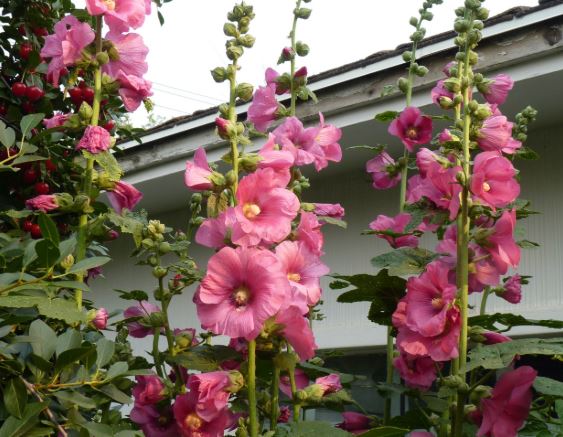
When you picture an old-fashioned cottage garden, chances are you imagine those tall, colorful flower spires swaying gracefully in the breeze — the beloved hollyhocks. They’ve been charming gardeners for centuries, standing proudly along fences, walls, and garden edges.
But here’s something most people don’t realize: these towering beauties aren’t just for show. Hollyhocks (Alcea rosea) are edible, medicinal, pollinator-friendly, and easy to grow. They’re truly one of the most versatile plants you can add to your garden — a botanical multitasker that delights both your eyes and your body.
The Timeless Beauty of Hollyhocks
Hollyhocks are members of the mallow family (Malvaceae), making them close relatives of hibiscus and the marshmallow plant. They can grow anywhere from 5 to 8 feet tall, creating vertical drama that few other flowers can match.
Their blooms come in an array of colors — from soft blush pinks and buttery yellows to deep crimson, purple, and even nearly black shades. Each tall spike produces dozens of individual flowers that open from the bottom up, ensuring weeks of continuous bloom from early summer through fall.
In the Victorian era, hollyhocks symbolized ambition, fruitfulness, and abundance — fitting, considering how they fill a garden with life and energy.
Pollinator Magnet: A Haven for Bees and Butterflies
If you’re looking to create a pollinator-friendly garden, hollyhocks are a must. Their large, open flowers are irresistible to bees, butterflies, and hummingbirds.
Bees, in particular, adore the deep wells of pollen hidden inside each flower. When you plant hollyhocks, you’re not just adding beauty — you’re supporting biodiversity and helping local ecosystems thrive.
For gardeners who keep beehives or simply enjoy seeing their garden buzz with life, hollyhocks are an easy win.
The Edible Secret of Hollyhocks
Most gardeners grow hollyhocks purely for aesthetics, never realizing they’re completely edible! Every part of the plant — flowers, leaves, and roots — offers unique culinary and medicinal uses.
Edible Flowers
The petals have a mild, slightly sweet flavor that makes them perfect for salads, desserts, or floating atop summer drinks. You can candy the petals for cake decorations or dry them for herbal teas.
Try adding a few fresh hollyhock petals to lemonade or herbal infusions — they not only add color but also a touch of natural beauty.
Nutritious Leaves
The young leaves can be eaten raw when tender or cooked like spinach. They make a wonderful natural wrap for grains, rice, or fresh herbs — similar to how grape leaves are used in Mediterranean cooking.
Older leaves are best boiled or sautéed, as they become tougher with age.
Healing Roots
Hollyhock roots contain mucilage, a soothing, gel-like substance similar to that found in marshmallow root. Traditionally, it’s been used to relieve coughs, sore throats, and digestive irritation.
You can make a gentle hollyhock tea by steeping the dried roots or flowers in hot water — it’s mild, calming, and naturally demulcent (soothing to mucous membranes).
Traditional Herbal Uses
For centuries, herbalists have relied on hollyhocks for their soothing and cooling properties. Ancient European and Asian folk medicine valued the plant as a remedy for respiratory issues, minor wounds, and inflammation.
Common herbal uses include:
-
Soothing teas for coughs and sore throats
-
Poultices or compresses for minor skin irritations, burns, or insect bites
-
Bath infusions for calming irritated or dry skin
Its gentle nature makes hollyhock ideal for use in natural skincare. The petals can even be infused in oil to create a softening and moisturizing body oil.
How to Grow Hollyhocks Successfully
Even if you’re new to gardening, hollyhocks are rewarding and simple to grow. Here’s how to get those famous flower spires thriving in your own yard:
1. Choose a Sunny Spot
Hollyhocks love full sun — at least 6 hours a day. They’ll tolerate partial shade but may not bloom as profusely.
2. Prepare Well-Drained Soil
They prefer rich, well-draining soil with good airflow. Add compost or organic matter before planting to encourage strong growth.
3. Water Deeply
Hollyhocks appreciate consistent moisture but don’t like soggy roots. Water deeply once or twice a week, depending on weather conditions.
4. Support Their Height
Since mature hollyhocks can grow up to 8 feet tall, it’s wise to plant them along fences or walls that offer natural support. Staking can also help protect them from strong winds.
5. Encourage Reseeding
Hollyhocks are biennials — they grow leaves in the first year, bloom in the second, and then drop seeds. Allow some seed pods to dry and fall naturally to ensure a steady supply of new plants each year.
6. Watch for Rust
Hollyhocks can sometimes suffer from rust fungus, which appears as orange spots on leaves. To prevent it, ensure good air circulation and avoid overhead watering.
Beautiful Companions in the Garden
Pair hollyhocks with other cottage garden favorites like lavender, foxglove, delphinium, roses, or daisies. Their vertical shape makes them ideal for the back of a flower border, adding depth and structure to your planting design.
You can also grow them near vegetable gardens — they’ll attract pollinators that help boost fruit and vegetable yields.
From Garden to Table: Fun Ways to Use Hollyhocks
-
Hollyhock tea: Steep petals or leaves for a calming, floral beverage.
-
Herbal honey: Infuse dried petals in raw honey for a soothing throat remedy.
-
Natural dye: The flowers can produce soft pink to purple hues for fabric or homemade crafts.
-
Edible garnish: Decorate cakes, cocktails, and salads with their vibrant petals.
They may look delicate, but hollyhocks are tough plants that provide a surprising amount of utility for anyone who loves blending beauty and function.
The Perfect Plant for Practical Dreamers
In a world where gardens are increasingly about both sustainability and charm, hollyhocks stand out as the perfect blend of beauty, tradition, and purpose. They invite nostalgia, nurture pollinators, offer edible and medicinal benefits, and reseed themselves generously for years of effortless blooms.
If you’ve ever wanted to grow a plant that gives back in more ways than one, let the humble hollyhock surprise you.
Plant a few this season — and you may just discover that your prettiest flowers are also the most practical ones in your garden.

You must be logged in to post a comment Login