Herbs
Growing Herbs in Water: A Simple and Space-Saving Method for Fresh Greens
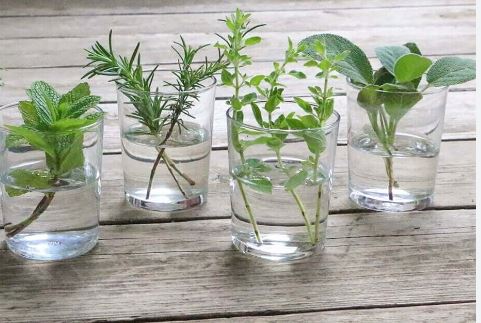
In today’s fast-paced world, the desire for fresh, flavorful ingredients in our meals often clashes with the realities of limited space and time. Fortunately, growing herbs in water offers a straightforward solution that’s perfect for any kitchen, no matter how small. This method not only saves space but also ensures you have a steady supply of fresh herbs at your fingertips. Here’s how to get started and the benefits of this easy gardening technique.
Why Grow Herbs in Water?
- Space Efficiency: Growing herbs in water eliminates the need for soil, making it an ideal choice for apartments, small kitchens, or anyone with limited gardening space.
- Easy Maintenance: This method requires minimal care. Simply change the water every week and watch your herbs thrive.
- Visual Appeal: Herbs growing in clear containers can add a touch of greenery to your kitchen, enhancing both aesthetics and atmosphere.
- Sustainability: Growing your own herbs reduces reliance on store-bought options, minimizing packaging waste and carbon footprints.
- Accessibility: No need for gardening tools or experience—just water, herbs, and a container!
Choosing the Right Herbs
Most common culinary herbs can thrive in water. Some popular choices include:
- Basil: A staple in Italian cooking, basil prefers warm conditions and bright light.
- Mint: Known for its refreshing flavor, mint grows vigorously and requires a bit more care to control its growth.
- Rosemary: This hardy herb can thrive in water but prefers to be clipped regularly to encourage bushier growth.
- Thyme: With its delicate leaves and strong aroma, thyme can flourish in water with the right conditions.
How to Grow Herbs in Water
1. Gather Your Supplies
- Containers: Clear glass jars or vases work well. Ensure they have a wide enough opening for easy access.
- Herbs: You can propagate herbs from store-bought bunches or cuttings from your garden.
2. Prepare Your Cuttings
- Select healthy stems, ideally 4-6 inches long, with a few leaves on top.
- Remove the lower leaves to prevent them from rotting in the water.
- If using store-bought herbs, choose those that look fresh and vibrant.
3. Place in Water
- Fill your container with clean, room-temperature water.
- Place the cuttings in the water, ensuring that only the stem is submerged. The leaves should remain above the waterline.
4. Provide Proper Conditions
- Light: Position your containers in a sunny spot, like a windowsill, where they can receive at least 6 hours of indirect sunlight daily.
- Temperature: Most herbs thrive in temperatures between 65°F and 75°F.
5. Maintain Your Herb Garden
- Change the water every week to prevent stagnation and promote healthy growth.
- Trim any yellowing or dead leaves to keep the plant healthy.
- Once roots develop (typically in a couple of weeks), you can choose to transfer the herbs to soil if desired.
Harvesting Your Herbs
Once your herbs have grown roots, you can begin to harvest them. Snip off the top leaves as needed, taking care not to remove more than one-third of the plant at a time. This ensures continued growth and allows you to enjoy fresh herbs throughout the season.
Conclusion
Growing herbs in water is a simple, rewarding method that brings fresh flavors into your kitchen while adding greenery to your living space. Whether you’re a seasoned gardener or a complete novice, this method is accessible and enjoyable. With minimal effort and a bit of patience, you can cultivate a thriving herb garden right on your kitchen counter, enhancing your meals and your home environment. So why not give it a try? Fresh herbs are just a snip away!

You must be logged in to post a comment Login