Growing Vegetables
Grow Food In 5 Gallon Buckets – 10 Veggies & Leafy Greens That Thrive
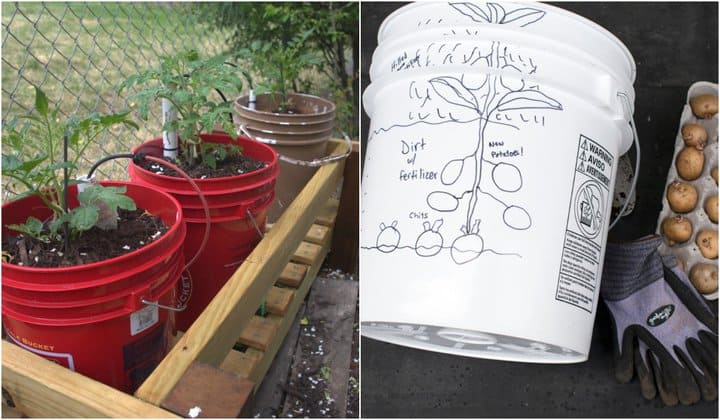
So many people think a 5 gallon bucket can only be used for one thing and that is to collect large amounts of water in the event where they are not able to get it from their home. However, there are so many other uses for these buckets! One way you could use them around your homestead is as planters or pots.
There are multiple leafy greens and vegetables which grow well planted inside these containers such as tomatoes, lettuce, onions, carrots among others.
First of all, it is worth noting that plastic buckets will require drainage holes. All plants need some way for excess water to escape but certain ones prefer better draining than others and so you’ll want to be mindful of this when picking your container type.
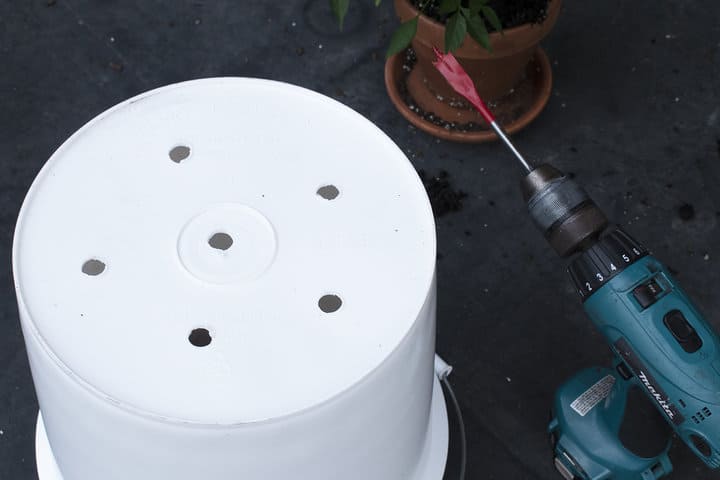
If you are placing your containers on a hard surface, consider using ‘feet’ or support structures underneath the pot so water can drain more freely. The color of the bucket will also make a difference in how long it stays cool during hot days. Black and dark colored buckets absorb heat while white and pale colors reflect light, which is why they work better for summer growing areas than black ones do.
It’s important to keep this fact mind when deciding where to place them as well; if placed near trees for shade purposes these darker hued bins might not stay cold enough overnight!
Why Grow Food In 5 Gallon Buckets?
Five gallon buckets are the perfect size for most plants. You can use them to fit many of your favorite plants on a patio or balcony, and you won’t have any trouble moving them inside if bad weather threatens their health.
In today’s world, where a lot of produce is shipped in from all over the globe and food safety regulations are strict, it can be hard to find safe storage for your fresh fruits or vegetables. Luckily there’s an easy solution that will keep them as healthy and fresh as possible: 5 gallon buckets!
You might have seen these at restaurants when they deliver bulk ingredients like flour or sugar–they’re perfect if you know how to use them properly too.
Here we’ll take a look at 10 veggies/leafy greens that grow best with just soil (no need for fertilizers!) inside this versatile bucket size container.
1. Tomatoes

Tomatoes are one of the most popular options to grow in containers. One way you can make your tomatoes last longer is by moving them indoors or undercover when cold weather threatens. This will extend the growing season for colder areas and give green tomatoes more time to ripen!
It’s best not to put multiple plants in each 5 gallon bucket, but if you’re growing vining types instead of bush varieties then it would be a good idea provide support too so that they don’t fall over and break under their own weight.
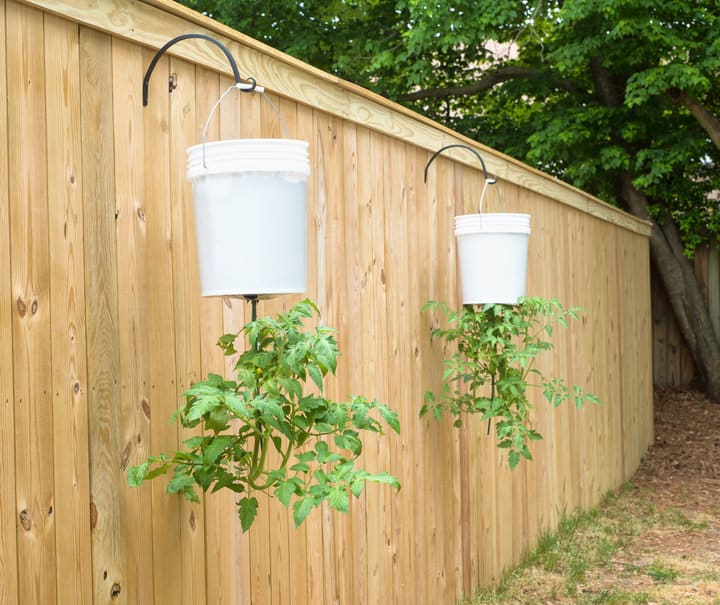
Some people have a hard time managing their space, especially with little ones running around. To maximize your square footage, you can even grow tomatoes upside down in 5 gallon buckets! This is an easy way to use every inch of that valuable floor-space and get all the produce possible without sacrificing too much vertical room.
Tip: Mulch your tomato containers with comfrey leaves when flowers and fruits begin to form. This will add fertility as well conserve water, so you won’t have to worry about watering plants for a while! And using the liquid plant feed on tomatoes can make them grow larger than they normally would in addition giving more of an energy boost from all that fertilizer which allows them to thrive even longer into late summer if needed.
2. Peppers
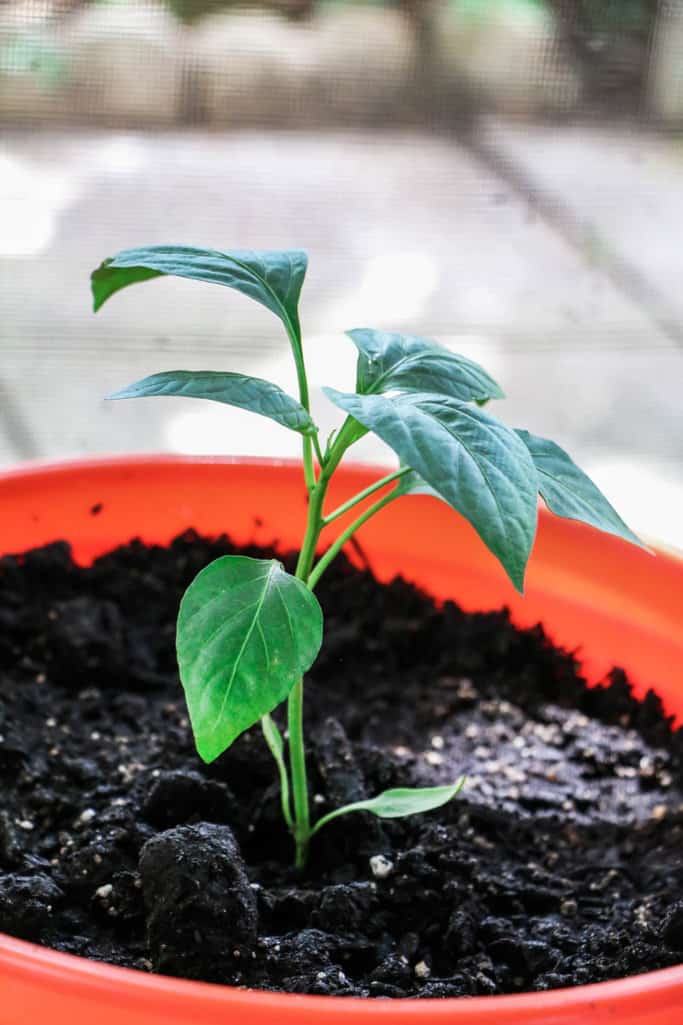
Peppers are a summer crop that can be grown in buckets. They thrive during the warmer months as they have shallow roots and tend to do well with container gardening. Dwarf varietals of peppers will also grow great, but most chilli pepper varieties will flourish best when situated on top soil or compost so their root system is able to reach down for nutrients – usually found closer to the surface below ground level!
Growing pepper plants is easy once you know what they need. They like humid weather, so when things are dry spray them with water and dampen hard surfaces nearby to increase humidity levels instead of watering alone!
Tip: There are a number of ways to spruce up your pepper container. You can experiment with the different types of peppers, or you could add some herbs as well! Basil and oregano work great for this kind of project because they’re aromatic which is perfect if you want an indoor garden that will liven up any space. Garlic and scallions also make good companion plants when it comes to containers like these.
While usually one type should go in each pot, three dwarf varieties planted together might be beneficial too – especially since most people don’t have much experience planting anything indoors.
3. Eggplant
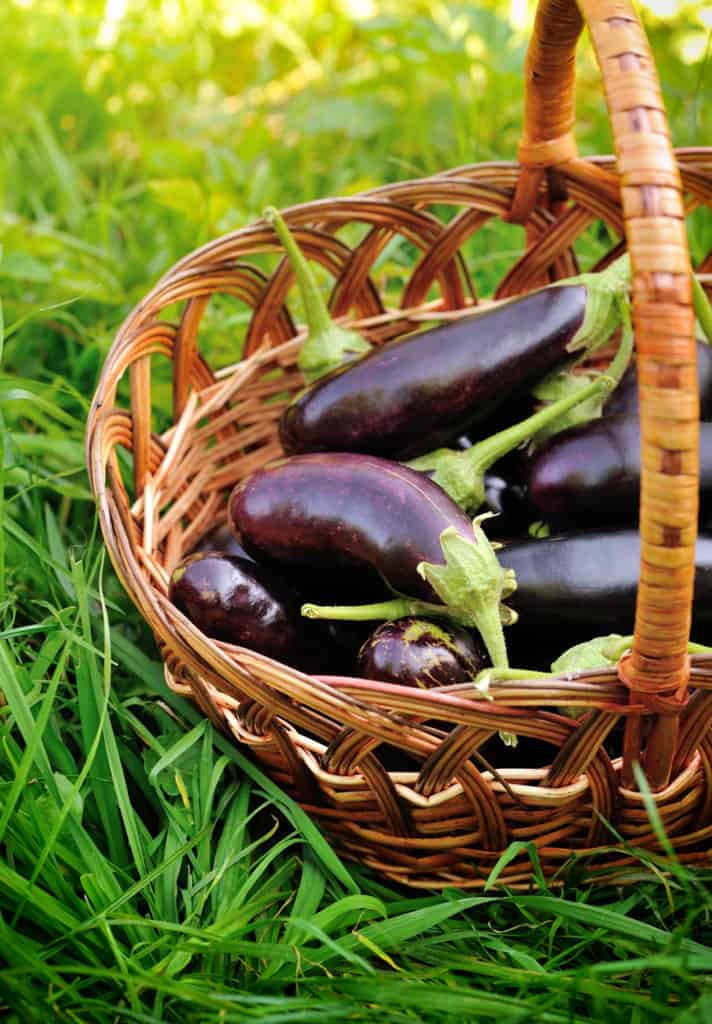
Eggplants are a versatile vegetable, and can be grown relatively easily in containers. Place one plant in a 5 gallon bucket to give it adequate space for the summer months if you plan on feeding and watering well!
Sometimes it is not easy to provide the right support for your plants as they grow. Dwarf varieties like “fairy tale” and “little finger” are perfect options, or upside down eggplants with smaller fruits if you have a small space available in which to place them!
Tip: Eggplant should be planted in a light, loose soil with sand added to the mix so that water drains easily. Planting eggplants too deep can result in root rot and poor yield of smaller harvestable produce.
4. Zucchini

Zucchini is versatile and can be used in a multitude of dishes, but growing zucchini from seed requires some special care. Zucchini plants are hungry for water- they have roots that extend to the bottom of their containers and need lots of moisture. They also require fertilizing with nitrogen rich fertilizer at least every other week.
Zuccini grows best when planted directly into 5 gallon buckets filled with potting soil mix (or something similar). These pots should provide good drainage as well since zuccini needs moist dirt which it pulls up through its deep root system to survive during hot weather periods where there may not always be an abundance or readily available irrigation options nearby.
5. Cucumbers

Cucumbers are a popular crop for container gardening, and one of the best varieties to grow is bush-type cucumber cultivars. These types produce small vines that will only reach up 2-3 ft while they’re growing – so you can plant two in each 5 gallon bucket!
If you are new to the garden, a few varieties of cucumbers may be your best bet. ‘Burpless bush’, ‘Picklebush’ and “Salad Bush” all offer different options for size and flavor; but if it’s hardiness that is key in your selection process, then go with ‘Bush Champion’!
Tip: Planting cucumbers requires caution as they do not transplant well. To minimize root disturbance, you can use biodegradable pots that can be buried in your 5 gallon bucket to avoid disturbing the roots when planting outdoors or any other place than a pot inside on soil surface for direct seeding (plant two groups of three seeds and remove excess upon germination).
6. Lettuce & Other Leafy Crops
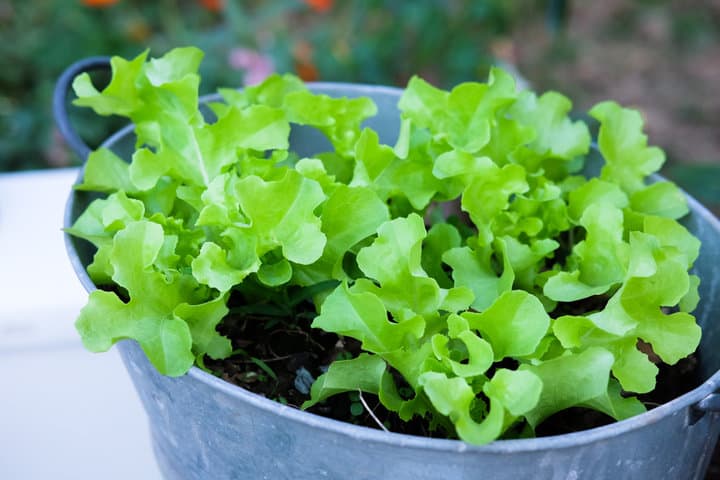
Growing lettuce is a great way to get started with container gardening, especially if you’re new. Loose leaf varieties are easy and best grown in a bucket. Sprinkle your seeds over the surface of growing medium, leaving between ½ inch or 1 inches space from one another depending on what type it is that will be harvested later (cut-and-come again plants need less spacing while mature heads need more).
For leafy greens, you can either grow them in the entire space of a 5 gallon bucket or cut holes into it and plant these plants inside. One way to increase your harvest is by planting smaller crops like arugula, Asian greens, spinach and chard alongside lettuce leaves that will take up more space.
Tip: The best way to make your plants thrive is by feeding them a nutritious plant feed! This should be done during the summer months and if you want some other vegetables that will grow with lettuce, consider sowing radishes or scallions.
7. Kale, Broccoli & Other Brassicas
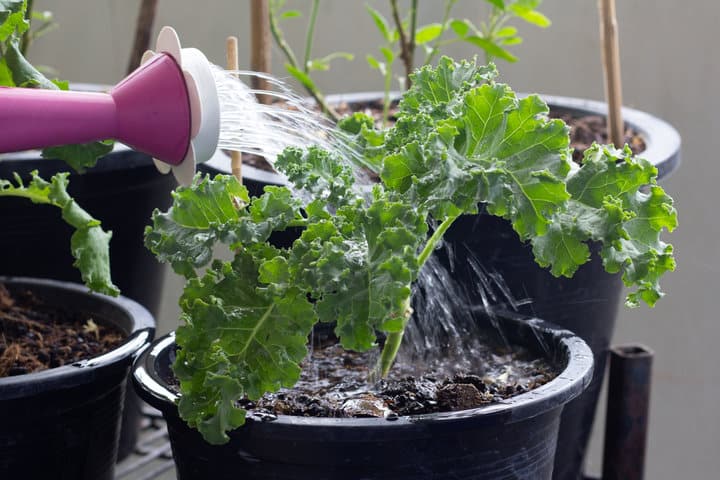
Larger leafy plants will also appreciate the space they have in a 5 gallon bucket. Kale, broccoli and cauliflower can be grown individually while kohlrabi has plenty of room to grow many crops together at one time. The benefit of growing larger leafy crops like these in 5 gallon buckets is that you’ll always have an opportunity to move them into the shade when it gets too hot outside or during shoulder seasons where cold temperatures are common due their flexibility with moving from spot-to-spot as needed.
You can easily protect your Brassica vegetables from pesky birds and cabbage white butterflies with a simple net. You’ll want to use the right type of mesh so that you don’t get any holes in it, but there are many different options available if this is an issue for you! It’s important to make sure they’re not too close together though-Brassicas need lots of space because they grow very tall.
Make sure each plant has plenty of fertility by using good compost mixed into the dirt around them or consider mulching with grass clippings or other nitrogen rich materials like animal manure before planting these tasty plants next time!
Tip: Plant lettuce next to brassicas while they are small. The lettuces can be harvested and eaten before the plant needs too much of your bucket’s space and nutrients.
8. Onions

If you are trying to grow full-sized bulb onions, a 5 gallon bucket may not be the best container. The only space in each one is enough for 5 bulbs of onion and with typical bulb varieties that will leave little room left over for anything else.
However some other types work much better when grown in buckets such as scallions which can thrive alongside lettuce or around borders where they’ll confuse carrot flies from laying eggs on your carrots by looking like them too!
Tip: Perennial plants such as chives or bunching onion can live for years on top of one pot full of compost if they receive water every few weeks! The benefits are that these types will continue giving the gardener food year after year without having to invest time into new starts each season.
9. Carrots & Other Root Vegetables
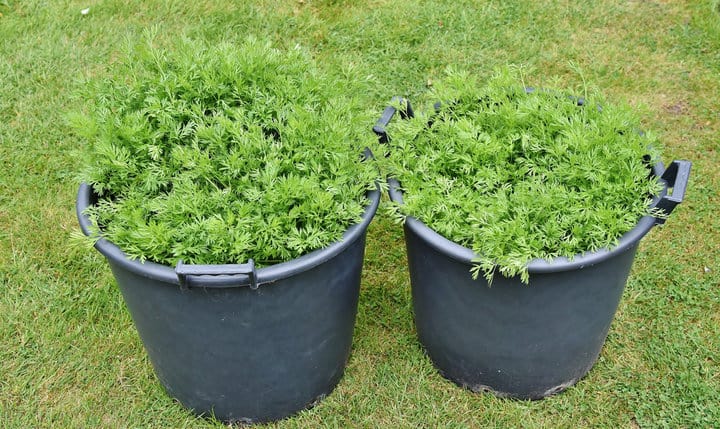
Growing carrots in 5 gallon buckets is a great way to have fresh, organic produce readily available for your family. Carrots are low-maintenance and grow just as well within the limitations of an improvised container like a bucket or pot with holes drilled into it.
You can make sure that these vegetables will actually do best by adding some sand to their growing medium – this helps ensure plenty of light penetrates all levels while also ensuring water drains more freely from the plant’s roots so they don’t rot away!
You can also grow other root crops such as parsnips, and beets in a 5 gallon bucket. But beets will need more water, more space and a somewhat richer soil since they have higher nutrient needs.
Tip: Successional sowing root crops will ensure you make the most of your food’s lifespan while using up less resources with each harvest! Feed them with compost tea once their bulbs begin to form – this process ensures that all nutrients are absorbed into the plant for optimal growth without any waste or loss of nutrition during transit from one stage to another on its journey towards being edible produce.
10. Potatoes
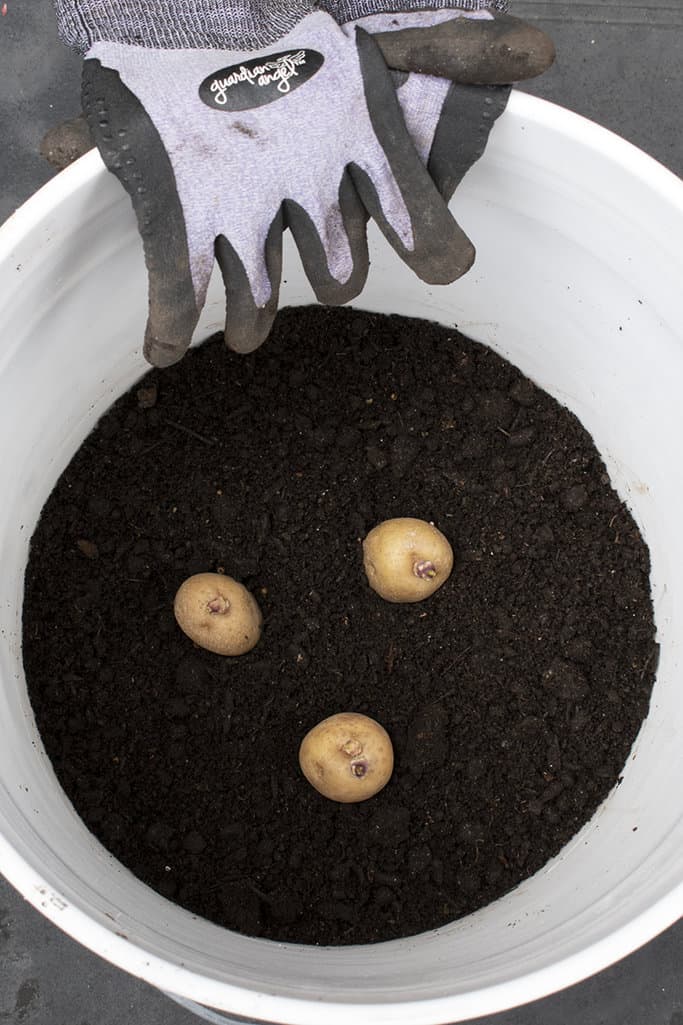
You don’t need a whole lot of space to grow potatoes. In fact, you can get ten spuds from even one bucket full! To make the most out of your growing container (whether it be an old 5 gallon bucket or some other type), fill around three quarters with nutrient rich soil and plant your seed potato on top.
Covering up this precious little sprout is crucial for its growth; in order to ensure that there’s enough nutrients going into it, place about 3 inches more dirt overtop when planting potatoes.
When growing potatoes in containers, water well. It is especially important to provide plenty of moisture during dry periods or if the weather is hot and humid as some people may find that their plants wilts fast under these conditions.
Tip: Potatoes need a lot of water so be sure not to forget about them when you are watering your other garden produce!
A container garden is just as diverse, productive and interesting as gardens where plants grow in the ground. With some creative gardening skills, it can be done on any size budget or space!
If you want to get an amazing vegetable garden with a little help from your window sill; there are lots of options available for plant lovers who only have limited time and resources. These 10 veggies that work well for containers will keep you busy through this winter season providing fresh produce all year long without needing acres of land.

You must be logged in to post a comment Login