Plants
Grow & Care for Spanish Lavender: Tips for a Stunning Garden!
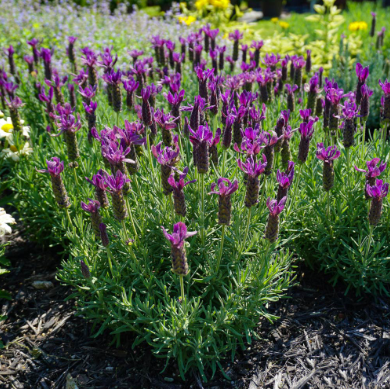
Spanish lavender (Lavandula stoechas) is a beautiful, fragrant, and hardy plant that adds charm and elegance to any garden. Known for its distinctive, butterfly-like flower petals and its resilience in warm climates, Spanish lavender is a favorite among gardeners who seek low-maintenance yet stunning plants. Here’s everything you need to know about growing and caring for Spanish lavender to ensure a thriving and vibrant garden.
Choosing the Right Location
Spanish lavender thrives in warm, sunny locations. To give your plant the best start:
- Choose a site that receives full sun for at least 6–8 hours daily.
- Ensure well-draining soil, preferably sandy or rocky, as lavender does not tolerate excessive moisture.
- If planting in containers, use a pot with drainage holes and a well-draining soil mix, such as a cactus or succulent blend.
Planting Spanish Lavender
- Plant in early spring after the last frost, or in autumn in warmer climates.
- Space plants 18–24 inches apart to allow proper air circulation.
- Mix in gravel or sand with garden soil to improve drainage.
- Water thoroughly after planting but avoid waterlogging.
Watering Needs
Spanish lavender is drought-tolerant once established but requires proper watering when young:
- Water once or twice a week when newly planted.
- Once established, reduce watering to every 2–3 weeks, or when the soil is dry.
- Avoid overhead watering to prevent fungal diseases.
Pruning & Maintenance
Pruning helps maintain the plant’s shape and promotes more blooms:
- Trim back spent flowers after each bloom cycle to encourage continuous flowering.
- Lightly prune in early spring to remove dead or damaged stems.
- Avoid cutting into old, woody stems, as they may not regrow.
Fertilizing Spanish Lavender
This plant thrives in low-nutrient soils and doesn’t require frequent fertilization:
- Apply a balanced, slow-release fertilizer once in early spring if the soil is poor.
- Avoid high-nitrogen fertilizers, as they encourage excessive foliage growth at the expense of flowers.
Protecting from Pests & Diseases
While Spanish lavender is relatively pest-resistant, some common issues may arise:
- Aphids & Whiteflies: Treat with insecticidal soap or neem oil if infestations occur.
- Root Rot: Prevent by ensuring well-draining soil and avoiding overwatering.
- Powdery Mildew: Provide proper air circulation by spacing plants adequately and pruning as needed.
Winter Care
Spanish lavender is more cold-sensitive than English lavender. In regions with harsh winters:
- Mulch around the base of the plant with straw or bark to provide insulation.
- Consider growing in containers to bring indoors if temperatures drop below 15°F (-9°C).
Enjoying Spanish Lavender
With its vibrant purple blooms, silvery-green foliage, and soothing fragrance, Spanish lavender is a stunning addition to gardens, patios, and borders. It attracts pollinators like bees and butterflies, making it an excellent choice for eco-friendly gardening. Whether planted in flower beds or pots, proper care ensures this Mediterranean beauty thrives and enhances your outdoor space for years to come.
By following these simple care tips, you’ll enjoy a flourishing Spanish lavender garden that’s both visually stunning and wonderfully fragrant!

You must be logged in to post a comment Login