Growing Vegetables
Planting Bulbs This Fall? Avoid These 7 Mistakes for Better Spring Blooms
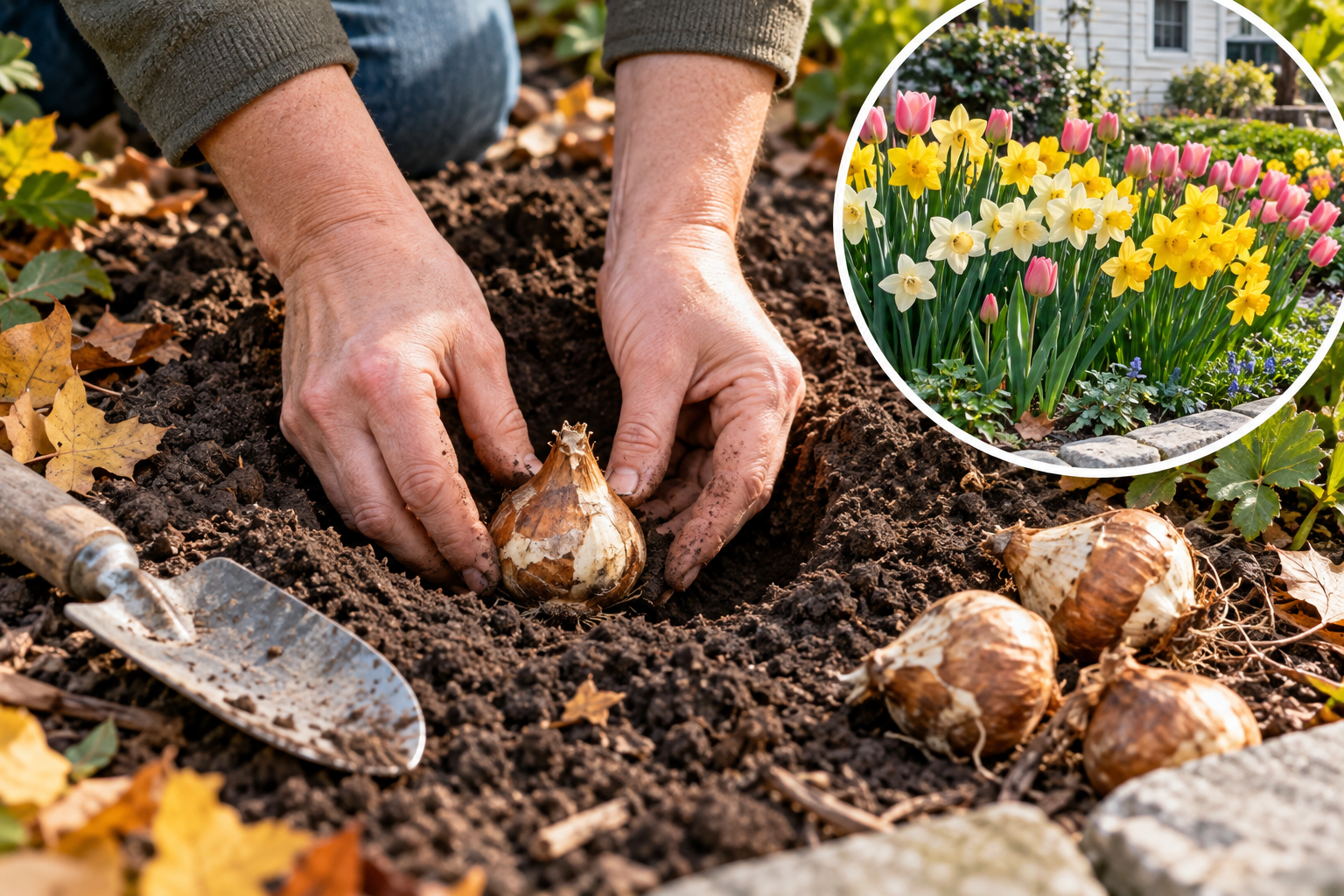
A bag of flower bulbs holds a lot of promise: yellow daffodils beside the walkway, tulips near the porch, and the first little flowers breaking up a tired winter garden.
But a beautiful spring display starts with the choices you make before those bulbs disappear underground. Planting at the wrong time, choosing a soggy spot, or overlooking the label can leave you wondering what went wrong months later.
Before you grab your trowel, check these seven fall bulb planting mistakes—and the simple steps that help you avoid them.
1. Following a Calendar Instead of Your Local Climate
“Plant in October” is useful advice in some places, but it is not a planting rule for the entire United States.
In cold-winter regions, hardy spring bulbs need a fall planting window that allows roots to develop before the ground freezes. In warm-winter areas, planting may happen considerably later.
Do this instead: Check your local Extension recommendations and the instructions for your specific bulbs. Your location matters more than the date on someone else’s gardening post.
2. Assuming Every Bulb Will Return Every Year
A gorgeous tulip on the package does not guarantee years of repeat blooms in your yard. Variety and climate both influence the results.
Some tulips perform better as seasonal displays, especially where winters are mild. Alabama Extension, for example, recommends treating tulips as annuals and using prechilled bulbs for its suggested late planting schedule.
Do this instead: Decide whether you want one spectacular spring display or bulbs suited to returning in your region. For warm climates, ask about locally successful daffodils and whether your chosen tulips require prechilling.
3. Choosing the Prettiest Spot Without Checking Drainage
That empty corner beside the porch may look perfect, but watch what happens there after rain. Bulbs can rot when soil stays wet.
Light matters, too. Match the planting location to the bulb’s sunlight requirements rather than choosing a spot only because it is easy to see from the kitchen.
Do this instead: Choose a well-drained location with suitable light. If a bed remains waterlogged, find a better site before investing in more bulbs.
4. Planting Every Bulb at the Same Depth
A small crocus and a large daffodil should not automatically go into identical holes.
A common starting guideline is a hole roughly two to three times the bulb’s height, measured from the soil surface to the bulb’s base. Many larger bulbs need about 6–8 inches of depth, while smaller ones may need around 3–4 inches. Species instructions and local soil conditions take priority.
Do this instead: Keep the package nearby while planting. Position the pointed end upward and the root plate downward, and follow the recommended spacing.
5. Adding Bone Meal to Every Hole Automatically
More fertilizer does not automatically produce more flowers. Illinois Extension notes that adding phosphorus, often as bone meal, is unnecessary in many soils.
Do this instead: Use a soil test to guide nutrient additions. If fertilizer is needed, follow the product directions rather than adding an unmeasured handful to each hole.
6. Walking Away Without Watering
There may be no flowers above ground yet, but newly planted bulbs still need moisture to begin rooting.
Do this instead: Water after planting to settle the soil around the bulbs. During dry fall weather, check the soil and water as needed. Adjust for rainfall and drainage; the goal is moist soil, not a constantly saturated bed.
7. Planning for Flowers but Forgetting the Leaves
Next spring, the flowers will finish before the leaves do. Cutting green bulb foliage too soon removes the leaves that help replenish the bulb for future growth.
Do this instead: Plan now to let the foliage yellow and die back naturally. Place compatible perennials nearby to soften the appearance of fading leaves, and mark bulb locations so later planting does not disturb them.
Start With One Spot You Will Enjoy Every Day
You do not need to fill the entire yard this fall. Choose one visible bed, select bulbs that suit your climate, and give them a thoughtful start.
Imagine where you will notice those first flowers: beside the front steps, along a path, or outside a favorite window. Let that view guide your planting plan.
Which spring flowers are you planting this fall—daffodils, tulips, crocuses, or something different?