Gardening Guide
Enhancing Plant Growth: Unveiling the Power of Baker’s Yeast in Gardening
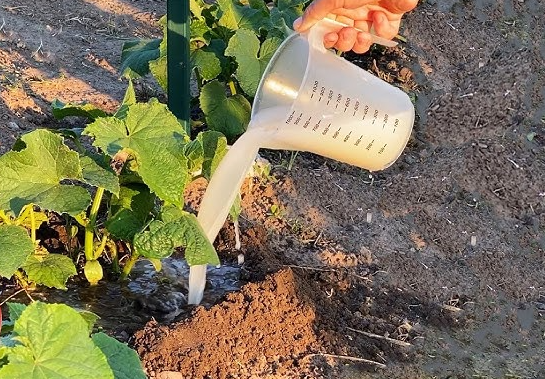
Using Baker’s yeast to enhance plant growth is an innovative approach gaining attention in gardening and agriculture. Yeast, particularly Saccharomyces cerevisiae, offers several benefits that can positively impact plant health and development:
- Stimulation of Growth: Yeast contains growth-promoting substances such as auxins, cytokinins, and gibberellins. These compounds can stimulate root and shoot growth, leading to overall healthier plants.
- Nutrient Availability: Yeast can break down organic matter and complex nutrients into simpler forms that plants can readily absorb. This enhances nutrient availability in the soil, promoting better nutrient uptake by plants.
- Disease Resistance: Some studies suggest that yeast can induce systemic resistance in plants against pathogens. This can reduce the incidence of plant diseases and improve plant vigor.
- Improved Soil Structure: Yeast activity in the soil can enhance soil aggregation and structure, leading to better water retention and aeration. This creates a more favorable environment for root growth and nutrient uptake.
- Biological Control: Certain strains of yeast can compete with harmful organisms in the soil, acting as biocontrol agents against pathogens and pests.
Application in Gardening
- Yeast Solution: A diluted solution of baker’s yeast can be applied to the soil or sprayed onto plant foliage. This introduces beneficial microbes and growth-promoting compounds directly to the plants.
- Composting: Adding yeast to compost piles can accelerate decomposition, resulting in nutrient-rich compost that enhances soil fertility and plant growth.
- Seed Treatment: Treating seeds with yeast solutions before planting can improve germination rates and early seedling growth.
- Foliar Sprays: Spraying yeast solutions on plant leaves can enhance nutrient absorption and stimulate plant growth.
Considerations
- Strain Selection: Different strains of yeast may have varying effects on plants. Researching and selecting suitable strains based on plant species and growth conditions is essential.
- Concentration and Frequency: Proper dilution and application frequency of yeast solutions are critical to avoid overstimulation or imbalance in the soil ecosystem.
- Environmental Factors: Factors such as temperature, humidity, and soil pH can influence the effectiveness of yeast applications. Monitoring these conditions can optimize results.
In conclusion, incorporating baker’s yeast in gardening practices holds promise for improving plant growth, soil health, and overall garden productivity. Continued research and experimentation can further unlock the potential benefits of yeast in sustainable agriculture and gardening.

You must be logged in to post a comment Login