Fruits
Eat an Avocado, Save the Pit and Grow Your Own Plant – But Don’t Skip These Tricks!
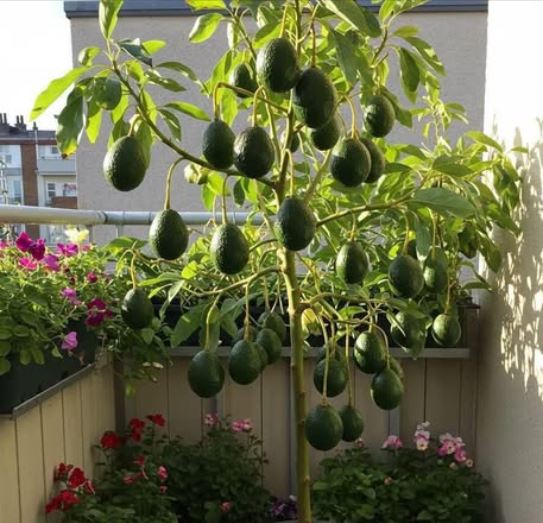
Avocados have become one of the world’s favorite superfoods – rich, creamy, and packed with healthy fats, vitamins, and antioxidants.
Whether spread on toast, blended into smoothies, or used in guacamole, they’ve earned their reputation as a staple of healthy diets.
But here’s the part many people overlook: every time you eat an avocado, you’re holding the potential for a new plant in your hands.
That hard, glossy pit at the center isn’t waste. It’s a living seed – one that, with a little patience and the right tricks, can grow into a thriving avocado plant.
While it may not produce fruit right away (and sometimes not at all without grafting), growing your own avocado tree is an incredibly rewarding project.
It brings greenery, improves indoor air quality, teaches kids about plant life cycles, and offers the joy of watching something grow from what would otherwise be tossed in the trash.
Why Grow Avocado from a Pit?
You might wonder: if avocado trees can be bought at nurseries, why bother sprouting a pit?
There are plenty of reasons:
- It’s free: You’re already buying avocados for eating. Why not use the seed?
- It’s educational: Perfect for teaching children how plants grow.
- It’s eco-friendly: Repurposing pits reduces food waste.
- It’s beautiful: Avocado plants make attractive, lush houseplants with glossy leaves.
- It’s rewarding: Watching roots emerge and a tree form is a slow but fascinating process.
Even if your plant never bears fruit, you’ll still have a living reminder of your favorite food brightening up your home.
Step 1: Choose the Right Avocado
Not all avocados are created equal when it comes to sprouting.
Here’s what to look for:
- Freshness: Use a fresh avocado pit, not one that’s been left sitting out for days and dried up.
- Variety: Hass avocados are the most common and sprout reliably, but other varieties (like Fuerte or Bacon) can work too.
- Condition: Avoid seeds with cracks, damage, or mold spots.
Pro Tip: Organic avocados often sprout more successfully since they’re less likely to have been chemically treated.
Step 2: Clean and Prepare the Pit
Once you’ve eaten the avocado, carefully remove the pit without cutting or damaging it.
- Rinse gently under lukewarm water to remove all traces of fruit flesh. Residual avocado flesh can cause mold.
- Do not peel the brown skin (the seed coat). This protective layer helps germination.
- Identify top and bottom: The slightly pointier end is the top (where shoots emerge), and the flatter end is the bottom (where roots will grow).
This step seems simple, but many first-timers fail by planting the pit upside down.
Step 3: The Two Main Germination Methods
There are two classic ways to sprout an avocado seed. Both work, but each has advantages.
Method 1: The Water Method (Toothpick Technique)
This is the method most people know – and for good reason: it’s easy, inexpensive, and lets you watch the magic happen.
Steps:
- Insert 3–4 toothpicks around the middle of the seed.
- Suspend the pit over a glass of water, with the flat end submerged.
- Place the glass in a warm, bright spot (indirect sunlight).
- Change the water every 2–3 days to prevent bacteria and mold.
- Wait patiently – roots usually appear in 2–6 weeks.
Advantages:
- You can see the roots develop.
- Easy to tell if the seed is viable.
Disadvantages:
- Roots can become waterlogged and fragile.
- Transplant shock is common when moving to soil.
Method 2: The Soil Method
This method mimics nature more closely and often results in stronger plants with healthier root systems.
Steps:
- Fill a small pot with well-draining potting soil.
- Plant the pit halfway into the soil, flat end down.
- Keep soil consistently moist but not soggy.
- Place the pot in a warm, bright spot.
- Roots and shoots usually emerge within 3–8 weeks.
Advantages:
- Stronger, healthier roots.
- Less transplant shock.
- Faster transition to long-term growth.
Disadvantages:
- You can’t watch the roots form.
- Harder to tell if the seed is sprouting until it pushes up a shoot.
Trick: For best results, plant two pits – one in water and one in soil. This way, you can enjoy the satisfaction of seeing roots grow while also ensuring you get a hardy soil-based plant.
Step 4: Caring for Your Sprouting Avocado
No matter which germination method you choose, once the roots and shoots appear, your avocado seedling will need proper care.
- Sunlight: Place in bright, indirect light. Direct sun can scorch tender seedlings.
- Temperature: Avocados prefer warmth (65–80°F / 18–27°C). Avoid cold drafts.
- Watering: Keep soil evenly moist. In the water method, always maintain fresh, clean water.
- Root care: If growing in water, wait until roots are at least 6 inches long before transplanting to soil.
Step 5: Transplanting to Soil
Once your seedling has developed a strong root system and a shoot with leaves, it’s time to move it into soil if you haven’t already.
How to Transplant:
- Choose a pot at least 8–10 inches deep with drainage holes.
- Fill with a light, well-draining potting mix (a blend of compost, sand, and perlite works well).
- Place the seed so the top half remains above the soil.
- Water thoroughly and place in a sunny window.
Trick: Planting too deep can suffocate the seed. Always keep the top exposed.
Step 6: Long-Term Care for a Thriving Avocado Plant
Once your avocado seedling is in soil, treat it like any houseplant – with some avocado-specific adjustments.
Light Needs
Avocados love light. Indoors, place your plant near a south- or west-facing window. Outdoors, provide full sun once the plant is established.
Watering Schedule
- Keep soil evenly moist but not soggy.
- Reduce watering in winter when growth slows.
- Signs of overwatering: yellow leaves and root rot.
Fertilizing
Feed monthly with a balanced, water-soluble fertilizer (10-10-10). Switch to high-nitrogen fertilizer during active growth phases for lush foliage.
Pruning for Bushier Growth
Avocado plants naturally grow tall and leggy. To encourage bushy, compact growth:
- When the plant reaches 12 inches tall, pinch back the top 2 leaves.
- Repeat each time the plant grows another 6 inches.
- This encourages branching and a fuller plant.
Tricks to Maximize Success
Here are the insider secrets that make all the difference:
- Warmth is everything: Avocado seeds sprout faster in warmth. Place pots on a heat mat or above a refrigerator.
- Soak before planting: Soaking the pit in warm water for 24 hours can speed germination.
- Scarify the seed coat: Lightly nick the seed coat with a file to help water penetrate.
- Rotate the plant: Avocados grow toward the light. Rotate your pot weekly for even growth.
- Repot regularly: As roots grow, upgrade to larger pots (every 1–2 years).
- Patience is key: Avocados grow slowly at first. Don’t give up if you don’t see quick progress.
Can You Grow Avocados for Fruit at Home?
Yes… but with caveats.
- Seed-grown plants can take 5–13 years to produce fruit, and sometimes never do.
- Fruit quality may differ from the original avocado.
- To guarantee fruit, growers usually graft avocado seedlings onto mature rootstock.
Trick: Even if your pit-grown tree never fruits, you can enjoy it as a lush ornamental houseplant with air-purifying benefits.
Common Problems and How to Solve Them
- Yellow Leaves: Usually a sign of overwatering. Let soil dry slightly.
- Leggy Growth: Not enough light. Move closer to a window or use grow lights.
- Brown Tips: Often due to low humidity or too much fertilizer. Mist leaves occasionally.
- No Sprouting: Some seeds are duds. Try multiple pits at once for better odds.
Creative Uses for Avocado Pits Beyond Planting
Not every pit will sprout, but that doesn’t mean it has to go to waste. You can also use avocado pits for:
- Natural dye: Creates a peachy-pink color for fabrics.
- Exfoliating scrub: Ground pits can be mixed into body scrubs.
- Household cleaner: Boiled pits create an antibacterial solution.
Every avocado pit you toss is a missed opportunity. With just a few tricks – proper orientation, the right method (water or soil), warmth, patience, and pruning – you can transform that pit into a thriving plant.
While it may not give you guacamole in a few years, it will reward you with lush foliage, cleaner air, and the joy of growing something from nothing.

You must be logged in to post a comment Login