Plant Care, Soil & Tips
Don’t Throw Away Potato Peels—Turn Them into Free Plant Food!
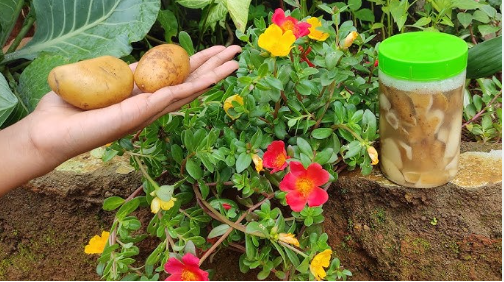
If you’ve been tossing potato peels in the trash, you’re missing out on a fantastic, free way to nourish your garden. Instead of viewing them as waste, consider them a natural and nutrient-rich plant food that can benefit your garden in multiple ways. Let’s explore why and how you should use potato peels for plant nourishment.
Why Use Potato Peels as Fertilizer?
Potato peels are packed with essential nutrients that plants love. They contain:
- Potassium – A vital nutrient that promotes healthy root development and helps plants resist disease.
- Phosphorus – Important for flower and fruit production, making it great for flowering plants and vegetables.
- Magnesium – A key component in chlorophyll, helping plants with photosynthesis.
- Calcium – Strengthens plant cell walls and supports growth.
- Nitrogen – Encourages lush, green foliage.
By composting or directly applying potato peels to your garden, you’re providing these essential nutrients to your plants naturally.
How to Use Potato Peels in Your Garden
There are several easy ways to use potato peels to benefit your plants:
1. Composting
Potato peels decompose quickly, making them an excellent addition to your compost pile. Simply toss them in with other organic waste, and over time, they’ll break down into rich, nutrient-dense compost that can be used to fertilize your plants.
2. Making a Potato Peel Tea Fertilizer
For a quick and effective liquid fertilizer, follow these steps:
- Collect a handful of potato peels and place them in a container.
- Fill the container with water and let it sit for 24 to 48 hours.
- Strain the mixture and use the nutrient-rich water to water your plants.
This method allows plants to absorb nutrients faster and is great for giving your garden a quick boost.
3. Direct Soil Application
Chop up or dry the peels and bury them in the soil around your plants. This slow-release method ensures that nutrients seep into the ground gradually as the peels decompose. Be mindful of pests, as fresh peels may attract rodents or insects.
4. Mulching
Dried and crushed potato peels can be used as a natural mulch to retain moisture and add nutrients to the soil over time.
Things to Keep in Mind
- Avoid using potato peels from chemically treated potatoes, as they may contain harmful pesticides.
- If you have issues with pests, consider drying the peels before adding them to the soil to reduce attraction.
- Rotate their use with other organic matter to create a balanced soil nutrient profile.
Conclusion
Potato peels are a simple, eco-friendly, and cost-effective way to feed your plants. By incorporating them into your gardening routine, you’re not only reducing waste but also enriching your soil with natural nutrients. So next time you peel potatoes, think twice before tossing those scraps away—your garden will thank you!

You must be logged in to post a comment Login