Gardening Guide
DIY Wattle Raised Garden Bed: Eco-Friendly & Rustic Backyard Project
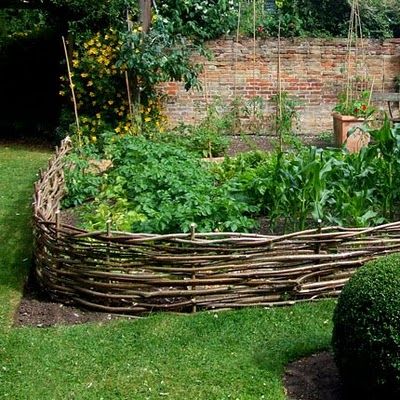
Creating a wattle raised garden bed is a fantastic eco-friendly and rustic backyard project that not only adds charm to your garden but also promotes sustainability. Here’s a step-by-step guide to help you get started:
Materials Needed:
- Long, flexible branches: Willow, hazel, or any other flexible branches work well.
- Wooden stakes: These will be used to secure the branches in place.
- Garden soil: Choose a high-quality soil suitable for your plants.
- Mulch or compost: For nourishing your plants.
- Gardening tools: Shovel, garden fork, pruning shears, etc.
Step 1: Selecting a Site
Choose a suitable location in your backyard for the raised garden bed. Ensure it receives adequate sunlight and has good drainage.
Step 2: Designing the Bed
Decide on the size and shape of your raised bed. Traditional wattle beds are circular or oval, but you can create any shape you prefer.
Step 3: Collecting Branches
Gather long, flexible branches from willow, hazel, or similar trees. These branches will form the walls of your raised bed.
Step 4: Preparing the Ground
Clear the area of any grass, weeds, or debris. Use a shovel and garden fork to loosen the soil and improve drainage.
Step 5: Constructing the Frame
- Drive wooden stakes into the ground at regular intervals around the perimeter of the bed.
- Weave the flexible branches horizontally between the stakes, creating a lattice pattern. Overlap the branches to ensure stability.
- Continue weaving until you reach the desired height for your raised bed, typically around 2-3 feet.
Step 6: Filling the Bed
- Fill the wattle frame with a mixture of garden soil and compost or mulch. Ensure the bed is filled to the top and level.
Step 7: Planting
- Once the bed is filled, it’s time to plant your desired vegetables, flowers, or herbs. Make sure to space them appropriately according to their specific requirements.
Step 8: Mulching (Optional)
- Apply a layer of mulch or compost on top of the soil to retain moisture and suppress weed growth.
Step 9: Watering and Maintenance
- Water your plants regularly, especially during dry periods, and monitor their growth.
- Trim any overhanging branches or weeds that may encroach on the raised bed.
Step 10: Enjoy Your Garden
Sit back, relax, and enjoy the beauty of your eco-friendly wattle raised garden bed. Not only does it provide a sustainable way to grow plants, but it also adds a rustic touch to your backyard space.

You must be logged in to post a comment Login