Growing Vegetables
Discovering the Nutritional Power of Broccoli Leaves: Benefits, Uses, and More
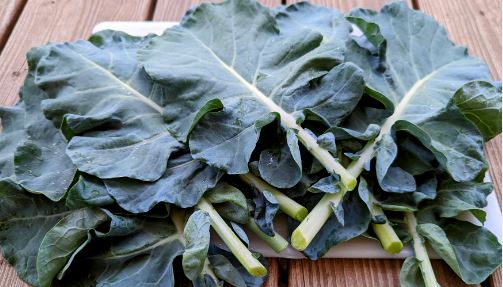
When we think of broccoli, we often focus on its familiar green florets, celebrated for their high vitamin C, fiber, and antioxidant content. However, tucked beneath these prized buds is an equally nutritious part of the plant—the broccoli leaves. Often overlooked, these vibrant green leaves pack a powerful punch when it comes to nutrition. In this article, we’ll explore the many health benefits of broccoli leaves, how to incorporate them into your diet, and why you might want to consider adding them to your grocery list.
The Nutritional Profile of Broccoli Leaves
Broccoli leaves are part of the brassica family, which includes other nutrient-dense vegetables like kale, cabbage, and cauliflower. While they are often discarded or left to wilt in the garden, broccoli leaves are a powerhouse of vitamins, minerals, and antioxidants that can significantly boost your health.
1. Rich in Vitamins and Minerals
Broccoli leaves are an excellent source of several key vitamins and minerals, particularly:
- Vitamin C: Broccoli leaves are packed with vitamin C, which supports the immune system, promotes healthy skin, and plays a role in wound healing.
- Vitamin K: This fat-soluble vitamin is essential for bone health and blood clotting. A serving of broccoli leaves can help meet your daily vitamin K requirements.
- Folate: Folate, or vitamin B9, is crucial for cell division and DNA synthesis, making it especially important during pregnancy and for heart health.
- Calcium: While not as high as dairy products, broccoli leaves provide a plant-based source of calcium, which is vital for bone strength and muscle function.
- Iron: These leaves are also a good plant-based source of iron, which is essential for transporting oxygen in the blood and maintaining energy levels.
2. High in Fiber
Broccoli leaves are rich in fiber, which is important for digestive health. Fiber helps to maintain regular bowel movements, supports gut health, and may help prevent chronic conditions like heart disease, diabetes, and obesity. A high-fiber diet is also linked to better weight management, as fiber promotes satiety and helps regulate blood sugar levels.
3. Antioxidants and Anti-Inflammatory Compounds
Like the florets, broccoli leaves contain a variety of antioxidants that help neutralize free radicals in the body. These include:
- Flavonoids: Compounds like quercetin and kaempferol have anti-inflammatory and antioxidant properties, which can reduce oxidative stress and inflammation in the body.
- Sulforaphane: Broccoli leaves also contain sulforaphane, a potent compound known for its potential to support detoxification processes and fight cancer.
These antioxidants can help protect cells from damage, reduce the risk of chronic diseases, and promote overall health.
Health Benefits of Broccoli Leaves
Given their nutrient profile, it’s no surprise that broccoli leaves offer a host of potential health benefits.
1. Supports Immune Function
The high vitamin C content in broccoli leaves can help strengthen the immune system, making it easier for your body to fend off infections and illnesses. Vitamin C also plays a role in collagen production, which is crucial for maintaining healthy skin, blood vessels, and cartilage.
2. Promotes Bone Health
Vitamin K, calcium, and folate in broccoli leaves support bone health by promoting proper bone mineralization and reducing the risk of osteoporosis. Vitamin K, in particular, helps regulate calcium in the body, ensuring that it is deposited in bones rather than in soft tissues.
3. Supports Heart Health
Broccoli leaves are an excellent addition to a heart-healthy diet. The antioxidants, fiber, and anti-inflammatory compounds in broccoli leaves work together to lower cholesterol, reduce inflammation, and improve blood vessel function. Studies suggest that a diet rich in cruciferous vegetables like broccoli may lower the risk of heart disease.
4. May Help Prevent Cancer
Like other cruciferous vegetables, broccoli leaves contain sulforaphane, a compound with potential anticancer properties. Research has shown that sulforaphane may help reduce the development of cancer cells by influencing various molecular pathways. While more research is needed, incorporating broccoli leaves into your diet could potentially play a role in cancer prevention.
5. Aids Digestion
The fiber content in broccoli leaves supports a healthy digestive system by promoting regular bowel movements, preventing constipation, and feeding beneficial gut bacteria. Fiber also helps regulate blood sugar levels, making it an important part of a balanced diet, especially for individuals managing diabetes.
How to Use Broccoli Leaves in Your Diet
Now that you’re aware of the health benefits, you might be wondering how to incorporate broccoli leaves into your meals. Thankfully, these leaves are incredibly versatile and can be used in a variety of dishes. Here are some ideas:
1. Sautéed or Stir-Fried
One of the easiest ways to enjoy broccoli leaves is by sautéing or stir-frying them. Heat a bit of olive oil or your favorite cooking oil in a pan, and toss in chopped broccoli leaves with garlic, onions, and a pinch of salt. You can also add other vegetables like bell peppers, carrots, or mushrooms for added flavor and nutrition.
2. Add to Soups and Stews
Broccoli leaves can be chopped and added to soups, stews, and chili for an extra nutritional boost. They hold up well when cooked and can be a great addition to any vegetable or lentil-based soup.
3. In Salads
Broccoli leaves can be used raw in salads. Simply chop them into smaller pieces and combine with other greens like spinach, kale, or arugula. Pair with a lemony vinaigrette, nuts, and seeds for a crunchy, nutritious salad.
4. Smoothies
If you enjoy smoothies, broccoli leaves can be blended in with your favorite fruits and vegetables. They have a mild flavor that won’t overpower your smoothie, and they provide an extra boost of vitamins and minerals.
5. Broccoli Leaf Chips
Similar to kale chips, you can make your own broccoli leaf chips by tossing the leaves in olive oil, seasoning with salt and pepper, and baking them in the oven until crispy. It’s a healthy alternative to traditional chips and a great way to get more greens into your diet.
6. Pesto or Sauces
For a twist on traditional pesto, swap out basil with broccoli leaves. Blend the leaves with garlic, pine nuts, olive oil, and parmesan cheese for a nutrient-packed version of this classic sauce. It can be used on pasta, sandwiches, or as a dip.
Conclusion
Broccoli leaves are a hidden gem when it comes to nutrition. Often discarded or overlooked, these leaves offer a wide range of health benefits—from boosting immunity to supporting heart health and providing antioxidants. Packed with essential vitamins, minerals, and fiber, they are an easy and affordable way to increase the nutrient density of your diet. So next time you buy broccoli, don’t toss out the leaves! Instead, try incorporating them into your meals and reap the many health benefits they have to offer.

You must be logged in to post a comment Login