Growing Vegetables
Cultivating Baby Cucumbers at Home: Maximizing Space with Container Gardening
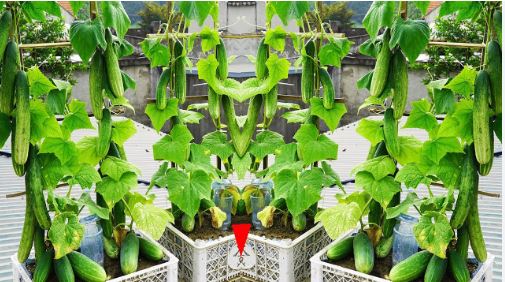
Growing your own vegetables can be incredibly rewarding, especially when you’re working with limited space. If you love the crisp bite of baby cucumbers in your salads or pickling jars, container gardening offers a convenient, space-saving solution for cultivating these compact, flavorful veggies right at home—even on a balcony or sunny windowsill.
Why Choose Baby Cucumbers?
Baby cucumbers, also known as mini cucumbers or snack cucumbers, are smaller and often sweeter than their full-sized counterparts. Their manageable size makes them ideal for container growing, and they tend to produce fruit more quickly and prolifically in the right conditions.
Getting Started: Choosing the Right Container
The key to success with container gardening is choosing the right setup. For baby cucumbers:
-
Container Size: Opt for a container that’s at least 12 inches deep and 12–18 inches in diameter. Cucumbers have deep root systems and need space to spread.
-
Drainage: Ensure your container has good drainage holes to prevent waterlogging, which can lead to root rot.
-
Material: Lightweight plastic pots work well, but you can also use fabric grow bags, wooden boxes, or even repurposed buckets—just ensure they’re food-safe.
Soil and Planting
Use a high-quality potting mix enriched with compost or organic matter. Baby cucumbers prefer well-draining, nutrient-rich soil with a pH between 6.0 and 7.0.
-
Planting: Sow seeds directly into the container after the last frost date in your area, or transplant young seedlings.
-
Spacing: Plant 2–3 seeds per pot and thin out the weaker ones once they sprout, keeping the strongest plant.
Sunlight and Watering
Cucumbers thrive in full sun. Aim for 6–8 hours of direct sunlight daily. If growing indoors, place your container near a bright, south-facing window or use a grow light.
-
Watering: Keep the soil consistently moist but not soggy. Water deeply when the top inch of soil feels dry. Cucumbers are thirsty plants, especially during fruiting.
Vertical Support: Going Up to Save Space
To truly maximize space, train your cucumbers to grow vertically. Use a small trellis, bamboo stakes, or even a tomato cage placed in the container. This not only saves room but also improves air circulation and makes harvesting easier.
Maintenance and Harvesting
-
Fertilizing: Use a balanced liquid fertilizer every 2–3 weeks during the growing season.
-
Pruning: Pinch off any dead or yellowing leaves and guide vines up the trellis.
-
Harvesting: Baby cucumbers are usually ready to pick when they’re about 3–5 inches long. Harvest regularly to encourage more fruit production.
Common Issues and Solutions
-
Powdery Mildew: Prevent by spacing plants well and using a neem oil spray if needed.
-
Pollination Problems: If your plants aren’t fruiting, try hand-pollinating using a small brush to transfer pollen between flowers.
-
Pests: Watch out for aphids and cucumber beetles. Insecticidal soap or neem oil can help manage infestations.
Final Thoughts
Container gardening makes it easy for anyone—whether you live in an apartment or have a tiny backyard—to enjoy the pleasure of homegrown vegetables. With just a little effort, you can grow sweet, crunchy baby cucumbers all summer long, fresh from your patio or windowsill.

You must be logged in to post a comment Login