Gardening Guide
Cornmeal: The Gardener’s Secret Weapon – 5 Simple Uses in the Garden
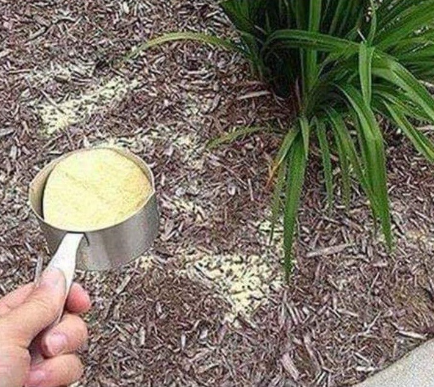
Cornmeal is an often-overlooked yet versatile tool in the gardener’s arsenal. It can help in various ways, from pest control to soil health. Here are five simple uses of cornmeal in the garden:
1. Natural Fungicide
Cornmeal contains compounds that can help prevent and control fungal diseases in plants, such as blight and mildew. To use as a fungicide, sprinkle a thin layer of cornmeal around the base of plants or mix it into the top layer of soil. For a sprayable option, mix 1 cup of cornmeal in 5 gallons of water, let it steep for a few days, strain, and then spray the liquid on affected plants.
2. Weed Suppression
Corn gluten meal, a byproduct of cornmeal, is an effective organic pre-emergent herbicide. It prevents weed seeds from germinating without harming established plants. Apply it to the soil in early spring before weeds start to sprout. Note that it will prevent all seeds from germinating, so avoid using it where you’ve planted new seeds.
3. Soil Amendment
Cornmeal can improve soil health by promoting beneficial microorganisms. It acts as a mild fertilizer and soil conditioner, adding organic matter that improves soil structure and water retention. Simply sprinkle cornmeal over your garden bed and lightly work it into the soil.
4. Pest Deterrent
Cornmeal can be an effective tool against certain garden pests, particularly ants and slugs. For ants, scatter cornmeal around the anthills or paths; they will eat it, but cannot digest it, eventually leading to the collapse of the colony. For slugs, create a barrier with cornmeal to deter them from crossing into your garden.
5. Compost Activator
Adding cornmeal to your compost pile can help speed up the decomposition process. It acts as a green material, providing nitrogen and stimulating microbial activity. Sprinkle a handful into the compost pile periodically to keep the decomposition process active and efficient.
Tips for Using Cornmeal in the Garden
- Avoid Overuse: While cornmeal is beneficial, too much can lead to an imbalance in soil nutrients.
- Use Non-GMO and Organic Varieties: For best results, choose non-GMO and organic cornmeal to avoid potential contaminants.
- Combine with Other Organic Practices: Cornmeal is most effective when used as part of an integrated organic gardening approach, including crop rotation, companion planting, and regular soil testing.
Using cornmeal in these ways can enhance your garden’s health and productivity, making it a true secret weapon for gardeners.

You must be logged in to post a comment Login