Plants
Chenopodium Album (Lamb’s Quarters): Discovering Its Nutritional and Medicinal Proficiencies
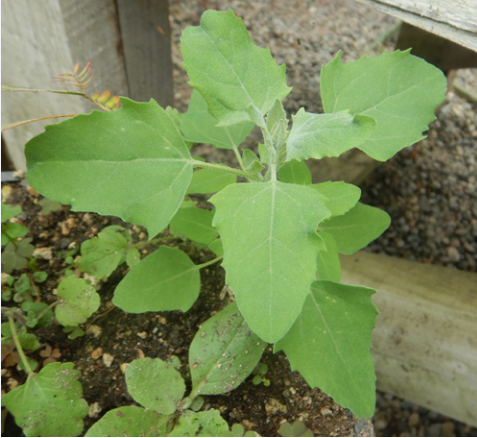
Chenopodium album, commonly known as Lamb’s Quarters, is a humble plant that grows prolifically as a weed in gardens, fields, and disturbed soils. Despite its unassuming appearance and frequent association with unwanted growth, Lamb’s Quarters has been recognized for its incredible nutritional and medicinal benefits. Traditionally used by indigenous cultures and early civilizations, this versatile plant is experiencing a resurgence in interest, especially in natural medicine and sustainable food movements.
Botanical Overview
Chenopodium album belongs to the Amaranthaceae family and is native to Europe and Asia, though it has now spread to many parts of the world. It is commonly referred to by various names such as goosefoot, pigweed, or wild spinach, due to its characteristic leaves that resemble the shape of a goose’s foot. The plant thrives in a variety of environments, often seen growing wild in urban areas, gardens, and alongside roads. It is highly resilient and capable of thriving in both nutrient-rich and poor soils.
Nutritional Profile: A Powerhouse of Nutrients
One of the most remarkable aspects of Lamb’s Quarters is its dense nutritional profile. Often compared to spinach in terms of flavor and nutritional value, Lamb’s Quarters surpasses many cultivated greens in terms of nutrients.
Vitamins and Minerals
Lamb’s Quarters is rich in essential vitamins, particularly Vitamin A (in the form of beta-carotene), Vitamin C, and Vitamin K. It also provides a good amount of B vitamins like folate. The leaves are loaded with calcium, iron, magnesium, and potassium, making it an excellent source of minerals necessary for bone health, blood function, and overall metabolism.
Proteins and Fiber
In terms of protein content, Lamb’s Quarters is often compared to quinoa, a relative in the Chenopodium family. It provides a surprising amount of plant-based protein, making it a valuable component in vegetarian and vegan diets. Additionally, the plant’s high fiber content promotes digestive health, aiding in regular bowel movements and supporting a healthy gut microbiome.
Antioxidants
The leaves are rich in antioxidants such as flavonoids and phenolic compounds. These antioxidants play a crucial role in neutralizing free radicals, which can cause cellular damage and contribute to chronic diseases such as heart disease, diabetes, and cancer.
Medicinal Proficiencies: Healing Properties
In addition to its nutritional benefits, Lamb’s Quarters has a long history of medicinal use. Many traditional medicine systems, including Ayurvedic and Native American, have utilized this plant to treat various ailments. Modern science is now beginning to confirm the therapeutic potential of this humble plant.
Anti-inflammatory and Antioxidant Properties
Lamb’s Quarters contains compounds with potent anti-inflammatory properties, which may help reduce inflammation and pain in conditions such as arthritis. The plant’s antioxidants, particularly Vitamin C and flavonoids, further support the immune system by reducing oxidative stress.
Digestive Health
Lamb’s Quarters has been traditionally used as a mild laxative due to its fiber content. The seeds of the plant, when ground, can be consumed to aid in digestion and alleviate constipation. Furthermore, the leaves have been used to soothe gastrointestinal discomfort and support the body’s natural detoxification processes.
Blood Purification and Detoxification
Historically, Lamb’s Quarters was used in detoxification regimens. Its high mineral content, particularly in iron, assists in purifying the blood and supporting liver health. The plant has been used as a diuretic, encouraging the elimination of excess fluids and promoting kidney function.
Wound Healing and Skin Care
Poultices made from the leaves of Chenopodium album have been applied to wounds, cuts, and rashes to promote faster healing. Its antiseptic and anti-inflammatory properties help reduce the risk of infection and soothe irritated skin. Additionally, the plant has been utilized in natural remedies for treating skin conditions such as eczema and dermatitis.
Culinary Uses: From Weeds to Delicacy
Despite its status as a “weed,” Lamb’s Quarters has long been used as a food source, particularly in times of scarcity. It is now being rediscovered by foragers and chefs as a nutritious and flavorful green that can be easily incorporated into everyday meals.
Raw and Cooked Greens
Lamb’s Quarters leaves can be eaten raw in salads or blended into smoothies. However, like spinach and other leafy greens, they contain oxalates, which can inhibit calcium absorption, so it’s often recommended to blanch or cook the leaves briefly to reduce oxalate levels. When cooked, the leaves can be used as a substitute for spinach in a variety of dishes such as soups, stews, and stir-fries.
Seeds as a Grain Alternative
The seeds of Lamb’s Quarters are similar to quinoa and can be harvested, ground into flour, or cooked as a grain. Although the seeds are smaller than those of quinoa, they offer a similar nutritional profile and can be used in baked goods, cereals, and porridges.
Precautions
Although Lamb’s Quarters is generally considered safe for consumption, it is important to exercise caution. As with many wild plants, Lamb’s Quarters contains saponins and oxalic acid, which, in large quantities, can be toxic. Cooking the plant can reduce these compounds significantly, making it safe to eat. Additionally, individuals with kidney stones or other conditions that are sensitive to oxalates should limit their intake or consult with a healthcare provider.
Conclusion
Chenopodium album, or Lamb’s Quarters, is a remarkable plant that is often overlooked due to its prevalence as a weed. However, its nutritional density and medicinal properties make it a valuable addition to both the kitchen and the medicine cabinet. As modern interest in sustainable, nutrient-rich, and wild foods grows, Lamb’s Quarters stands out as a readily available superfood with the potential to enhance both health and culinary enjoyment. Whether used as a leafy green, a medicinal herb, or a source of grains, Lamb’s Quarters offers a wealth of benefits that deserve recognition.

You must be logged in to post a comment Login