Plants
After Reading This, You Will Never Look at Cilantro the Same Way
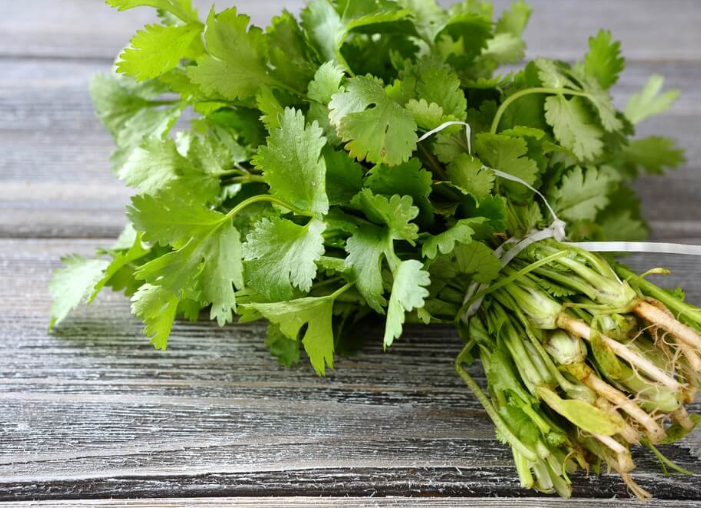
Cilantro: it’s either a burst of fresh, citrusy flavor that elevates a dish or a strange, soapy taste that makes you wonder why people willingly eat it. Love it or hate it, cilantro has a fascinating history, unique genetic quirks, and surprising health benefits. Once you understand the full story behind this polarizing herb, you’ll never look at cilantro the same way again.
The Love-Hate Relationship: It’s in Your Genes
One of the most peculiar aspects of cilantro is how differently people perceive its taste. Some adore its bright, fresh flavor, while others find it overwhelmingly soapy or unpleasant. The secret lies in your genetics.
A study by the genetics company 23andMe identified a specific gene—OR6A2—that affects how people experience cilantro. This gene is sensitive to aldehyde chemicals, which are abundant in both cilantro and soap. If you carry this variant, your brain might interpret the herb’s flavor as soapy rather than refreshing. For those unlucky few, no amount of persuasion will make cilantro taste good.
This genetic revelation means the cilantro debate isn’t just about preference; it’s rooted in biology. If you’re someone who can’t stand the taste, it’s not your fault—it’s your genes!
A Global Staple with Ancient Roots
Before we dive into the science of cilantro’s taste, it’s worth noting that this herb has a rich cultural history. Cilantro, also known as coriander in many parts of the world, has been used in cooking and medicine for thousands of years.
It originated in the Mediterranean and made its way across the globe. Archaeological evidence suggests that cilantro was used in ancient Egyptian dishes, while records from ancient Greece and Rome praise it for both culinary and medicinal purposes. The herb eventually spread to Asia, where it became an essential ingredient in many Indian, Thai, and Vietnamese dishes. Today, it’s a cornerstone of Latin American cuisine, especially in salsas, guacamole, and various sauces.
So, whether or not you enjoy cilantro, it’s hard to deny its global importance.
The Amazing Health Benefits of Cilantro
Even if you’re not a fan of cilantro’s taste, its health benefits are undeniable. This unassuming green herb is packed with nutrients that can do wonders for your body. Here are just a few of the health benefits cilantro brings to the table:
- Rich in Antioxidants: Cilantro is a powerhouse of antioxidants, which help fight free radicals in the body. These antioxidants can reduce inflammation and lower the risk of chronic diseases like cancer and heart disease.
- Detoxifies Heavy Metals: One of cilantro’s lesser-known superpowers is its ability to bind with heavy metals and assist the body in eliminating them. This detoxifying property makes cilantro a fantastic addition to any cleanse or detox regimen.
- Aids Digestion: Cilantro is known to support digestion and alleviate symptoms like bloating, indigestion, and gas. Its natural oils can soothe the stomach and promote healthy gut function.
- Regulates Blood Sugar: Some studies suggest that cilantro can help regulate blood sugar levels, making it a valuable herb for those managing diabetes or insulin resistance.
- Supports Skin Health: The antibacterial and antifungal properties of cilantro can benefit skin health, helping to treat acne, dryness, and irritation when used topically.
Culinary Versatility: A Herb for All Cuisines
Beyond its health benefits, cilantro is one of the most versatile herbs in the culinary world. Whether you use it in a spicy salsa, fresh chutney, or fragrant curry, cilantro has a way of brightening up dishes with its zesty flavor.
Here’s the thing: cilantro’s leaves, stems, and seeds (known as coriander seeds) each bring something different to the table. The leaves are fresh and citrusy, perfect for garnishing dishes like tacos, soups, and salads. The stems are milder but equally flavorful, often used in sauces or pureed mixtures. Meanwhile, coriander seeds have a warm, nutty flavor, used commonly in spice blends like garam masala and curry powder.
The next time you’re preparing a meal, experiment with cilantro in all its forms. You might discover a new way to enjoy this herb—even if you’re part of the “soapy” crowd!
Cilantro in Unlikely Places
Cilantro is often associated with savory dishes, but its use extends far beyond salsa or curry. In certain cultures, cilantro is also used in sweet applications. In Mexico, for instance, cilantro is sometimes paired with fruits like pineapple and mango to create refreshing, unique desserts. The contrast between the herb’s bright flavor and the sweetness of the fruit makes for a surprisingly delightful combination.
Even if you typically avoid cilantro, you might find that pairing it with unexpected ingredients opens up new flavor experiences.
The Final Verdict: To Cilantro or Not to Cilantro?
Whether you’re a cilantro lover or someone who can’t get past its soapy taste, this herb is more than just a garnish. It’s a culinary and medicinal powerhouse with ancient roots, fascinating genetic connections, and undeniable health benefits. So, even if cilantro has never been your favorite, perhaps you’ll have a newfound respect for it after learning its secrets.
The next time you encounter cilantro, consider giving it another try—whether in your diet, your skincare routine, or even as part of a detox plan. You might just find that cilantro has more to offer than meets the eye.
After all, with the knowledge you’ve gained, you’ll never look at cilantro the same way again.

You must be logged in to post a comment Login