Herbs
4 Reasons To Grow Thyme & 15 Ways To Use It
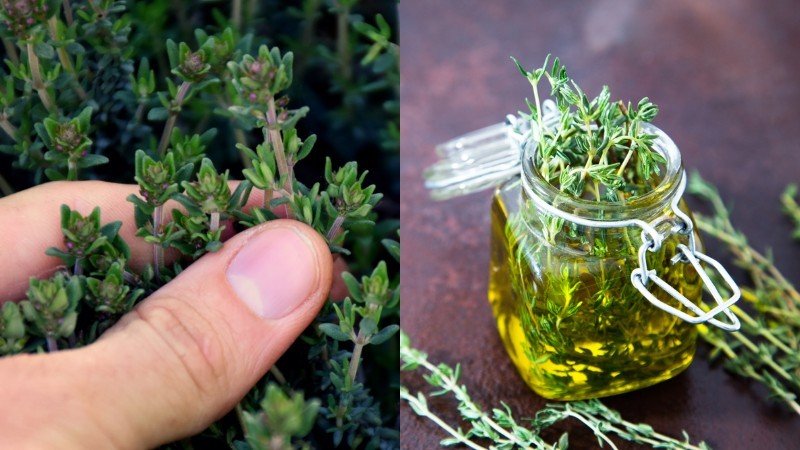
Thyme is a small, evergreen shrub with light purple flowers and a pleasant flavor. It has been enjoyed since ancient times by the Egyptians and Greeks who used it for its culinary properties as well as to enjoy in their baths or burn incense at important ceremonies.
The herb soon spread throughout Europe where it was given away freely during celebrations like weddings or feasts – even though people were not aware of thyme’s medicinal benefits which we know today are surprisingly expansive!
1. IT’S PRACTICALLY IMMORTAL
Thyme is a hardy herb that does not require much care once established. It requires loamy or sandy soil and will grow best in full sun, but also tolerates partial shade.
Thyme can be started by seedlings which are more likely to germinate evenly than the seeds themselves; planting near cabbage plants may help them thrive as well! If keeping thyme indoors, it needs six hours of direct sunlight per day with an alternating dry-wet cycle for watering (allow top layer of soil to dry out before rewatering).
2. IT SMELLS BEAUTIFUL
Thyme is a wonderful aromatic plant that not only smells great but also grows well.
With just the lightest touch, you can instantly detect its fresh and pungent fragrance which purifies any room it’s in – so much so that ancient Romans used thyme to cleanse their households!
3. IT REPELS GARDEN PESTS
Organic gardeners are always looking for their next gardening hack. One of the best ways to keep insects at bay is by planting thyme in your organic gardens- it’ll help with cabbage loopers, whiteflies, corn earworms and more!
4. IT ATTRACTS POLLINATORS
The beauty of nature is that it’s always changing, so why not take advantage and bring in some good bugs? One way to do this is by planting thyme plants. Not only will they attract a wide variety of beneficial insects like butterflies or bees, but these little guys are also crucial for pollination.
With the global bee population on decline – something which could have devastating consequences – now’s time to start doing whatever we can to protect them!
USES FOR THYME IN THE KITCHEN
1. INFUSED VINEGARS AND OILS
Make a simple vinegar or oil infusion with thyme to preserve the harvest all year.
For example, raspberry thyme vinegar is perfect for salad dressing and marinades; rosemary-thyme lemon oil can be used as both cooking accessory and healthy drizzle over cooked vegetables.
2. HERBAL BUTTER
You can elevate your boring butter by adding some homegrown thyme.
Thyme is great for cooking with and will liven up anything to make it more flavorful! This thyme garlic butter recipe is especially tasty because of the extra flavor from the fresh herbs.
3. LEMON THYME SALT
Add a burst of flavor to a simple grilled fish dish or plate of roast vegetables with this one-step thyme and lemon sea salt recipe.
4. SAUCES AND SOUPS
Thyme is an omnipotent herb – it can be used in just about any dish imaginable. It’s a great addition to soups, sauces, and vegetable dishes alike due to its versatility; thyme pairs well with citrus flavors as well as garlic or peppercorns for more savory flavor options.
Thyme makes grilled chicken taste amazing when paired with lemon juice!
5. SALADS AND SALAD DRESSINGS
Thyme has a lot of surprising uses that don’t appear at first glance, such as in the popular mixed tomato salad.
Fresh or dried thyme can also be used in lemon chicken salads and pasta dishes with arugula, mozzarella cheese and sundried tomatoes.
6. BREADS AND PASTAS
Thyme is a herb that can easily be mixed into breads and pastas to give them an extra kick. For example, drizzle thyme-infused oil or vinegar over plain homemade pasta for something new!
7. DRINKS
Thyme is a trendy herb that can be used in everything from refreshing detox waters to cocktail party favorites. This lemon, lime, grapefruit and thyme detox water is both delicious and hydrating; while a raspberry thyme spritzer is perfect on a warm summer’s day.
Other herbed drinks include iced teas like the springtime Thymed Lemonade or Spicy Thymeless Iced Tea which are great for those evening hours when you need something soothing after work! For dinner time fun with friends give your guests quirky tastes of flavor by serving up some unique pear-infused cocktails made with fresh herbs such as basil or tarragon.
FOR HEALTH AND WELLBEING
Thyme has been used for centuries to bring courage, aid sleep and ward off nightmares. Today thyme is still thought by many herbalists as a powerful medicinal herb with uses such as improving health or wellbeing.
Thyme can be enjoyed in your kitchen through cooking methods like roasting vegetables, making tea from the leaves of plants grown at home, or even using them fresh on soups! Thyme may also have other benefits such as being able to improve general wellness if taken daily over time because it contains an oil that appears to fight against bacteria linked with heart disease.
8. MAKE A HEALING OIL
Harness thyme’s potent healing powers in a homemade recipe! There are two methods that can be used to distill your own essential oils. For the less potent option, infuse dried thyme leaves with a carrier and leave it for three-six weeks before straining into an amber glass container.
This process is much simpler than making and adding water to give off steam which is needed for more powerful recipes like cooking or physical massages where you need the oil on hand at all times.
9. KILL PAIN
In recent experiments carried out by Babol University of Medical Sciences in Iran, thyme proved to be an excellent pain-reliever.
The herb beat ibuprofen as a medication for menstrual cramps and is more efficient when applied topically around the affected area than taken orally with water or other fluids.
10. BOOST COGNITIVE AND MENTAL HEALTH
Thyme oil has been used for centuries to stimulate the mind, aid memory and concentration, reduce stress or anxiety. Whether inhaling thyme essential oils in a diffuser or burning fresh leaves on an oil burner is up to you!
11. BREW A SOOTHING TEA
Thyme tea has a pleasant flavor and offers more than just that. It can act as an expectorant, clearing the lungs of congestion; it is also said to settle your stomach, soothe your throat when you have a cough or relieve aches/pains in muscles.
12. GET GLOWING SKIN
As it’s rich in antioxidants and boasts antiseptic properties, thyme oil is fantastic for skin health. Use it to fight acne, eczema, inflammation or signs of ageing; or treat minor cuts wounds with the magical potion!
13. EASE CONGESTION AND FIGHT MUCUS
Thyme is best known for being an expectorant that helps to relieve congestion and reduce mucus build-up in the body, as well as calming coughing spasms. Thyme also has a long history of use with steam therapy that can help you enhance your health even more!
Combine thyme’s benefits by making a simple “steam bowl” which combines thyme (either fresh or dried) boiled water into just-boiled hot water. Breathe in the soothing vapors of this incense for up to ten minutes. Place a towel over your head and lean over the pan, breathing deeply as you do so.
14. IMPROVE ORAL HEALTH
Thyme oil is a fantastic natural alternative to conventional oral hygiene products. It can be used as an antiseptic in many mouthwashes, and has been proven effective at treating tooth decay, gingivitis, plaque, and bad breath thanks to its potent antibacterial properties.
The active component of thyme oil that makes it so powerful against these conditions is thymol.
15. REPEL BUGS
Thyme oil is a natural way to keep pests away from your home.
To repel these pesky insects, add thyme oil in your diffuser or use cotton balls soaked with the diluted essential oils and place them around areas of high traffic such as closets and drawers for extra protection against mosquitoes, fleas, lice bed bugs chiggers ticks roaches beetles moths.

You must be logged in to post a comment Login