Growing Vegetables
18 Best Veggies to Grow In Pots: Effective Ways to Grow Vegetables in Containers
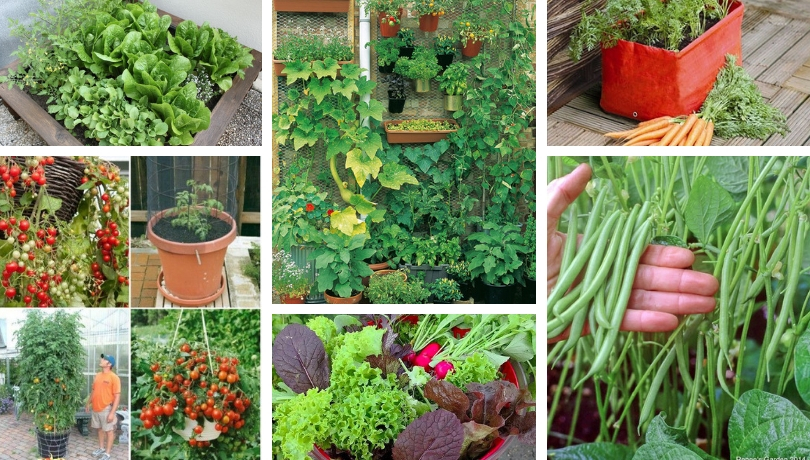
People who enjoy gardening might want to consider planting vegetables in containers. If you are one of those people and find joy from growing your own fresh produce, then why not start with a container garden?
You don’t need much space to do this; even someone without access outside can have success by making use of their balcony area. Growing vegetables in containers can seem daunting at first, but don’t worry! We are here to help you through the process. Here is a list of the 18 best vegetables for container gardening:
1. Tomatoes
Tomatoes are one of the most popular vegetables to grow in a pot. They need at least 6-7 hours of daily sunlight, so be wise and place them where they can get plenty! Mix together your best soil that is suited for growing tomatoes with compost or blood meal if you want some extra flavors too. Water regularly as needed too!
2. Potatoes
Growing potatoes in pots is a great way to have fast-growing vegetables with just the space of your own backyard. They are well suited for this lifestyle as they grow quickly and can even be grown in containers like plastic potting bags or potato sacks, which allow good drainage and make harvesting easier.
To plant them you should go ahead by filling up their container with loose soil that drains easily but isn’t too high; leave enough room between plants so each one gets its share of sunlight without competing against other ones nearby. At harvest time turn over the whole pot onto a sheet of paper or plastic–easier than digging out all those little spuds!
3. Cucumbers
If you are looking to grow vegetables in pots this summer, growing cucumbers can be a really rewarding experience. You will need the best soil for container vegetable gardening and rich compost.
Healthy watering is always important when it comes to these sorts of things as well so make sure not only that your plants get plenty but also plant them far enough away from each other so they don’t compete or end up drowning one another out with their moisture needs! Once those vines start putting on fruit though its time to harvest at frequent intervals because otherwise they’ll weigh down all the more quickly.
4. Lettuce
Growing your own vegetables is a great way to get fresh produce and take control of what you put into your body. Lettuce can be grown on balconies during the winter months- it’s fast growing, easy to harvest multiple times in one season, and best for warmer climates because lettuce does grow slower with cooler weather. To create the perfect planter, it is important to consider a few things.
First and foremost, be sure that there are at least four inches between different plants so they don’t get crowded out before even having time to grow. Secondly, make sure you use soil with good drainage properties as well as some moisture control if needed- this will keep your plants happy for longer without getting too soggy or dry from over watering.
Finally, always water when necessary but try not to inadvertently drown them by leaving excess water in the pot; take care of these helpful hints and soon enough everyone’s garden space will look beautiful!
5. Basil
Basil has quickly become one of the most popular herbs used in both cooking and for medicinal needs. It’s easy to grow, and can be planted indoors or out with a lot of success no matter what your climate is like. Basil also contains many antibacterial properties that will help you treat colds, sore throats, throat infections when taken as an herbal tea or added into recipes such as soup!
If you want to grow basil at all, then follow these tips! You can start by finding a deep six-inch planter and fresh planting soil. When watering the plant be sure that leaves or stems do not get wet because this is how they are most susceptible to fungus.
Watering your basil every day of course probably isn’t too hard but if it’s indoors ensure it stays in the sunniest area possible for best growth.
6. Carrots
Carrots are the humblest vegetable of all, but they’re still delicious and versatile. They can also be stored in dry areas for long periods without much hassle- so that means you never have to worry about them going bad!
If you don’t want your carrots getting too soft or soggy during winter months when it’s colder outside, planting now is a great idea; this plant requires minimal space requirements with low maintenance needed as well. All you need to do is water regularly so those cracks stay away!
7. Summer Squash
Squash can grow in any pot because they are hardy and versatile. You only have to water the soil at least three times weekly, but it is important that you harvest these squash every week or so for maximum production!
While this may sound like a laborious task – don’t worry; there will be plenty of new squashes popping up each week as long as we weed out old ones once grown.
8. Chillies
People who love spicy and fiery foods should consider planting their own chilies at home in small containers. This is a slowly-growing trend because of the plant’s many culinary uses.
Chilies thrive best when they are grown on windowsills or greenhouses, but it can be done with ease and minimal hassle if you grow them yourself in pots indoors instead! The good news is, growing your own chili peppers has never been easier! Chilies can be grown in cool climates.
If you want to grow them outside make sure that the chilly plant remains covered most of the time and place it strategically in a spot which is sheltered but receives strong sunlight – correct sun exposure and warmer areas make chilies spicier.
9. Salad Onions
Spring onions are a fresh and flavorful addition to any dish, but growing them yourself may seem like too much effort. If you’re looking for more flavor in your Chinese food or Mexican dishes without the hassle of gardening, then try spring onion seeds from The Home Gardener!
They require no deep soil and can be sown weekly with minimal space requirements.
10. Mushrooms
Mushrooms are a top favorite amongst most vegetarians and non-vegetarians. Other than being the best source of Vitamin C and fiber, mushrooms have an extremely flavorful taste that makes them popular to not only those who eat meat but also veggies themselves!
This is because they’re such rich in flavor which doctors recommend for its cancer fighting properties as well as containing unique antioxidants you can’t find anywhere else on Earth!
The perfect place to grow these delicious fungi would be indoors – basements usually work best since they need damp conditions with plenty of dry areas too along with dark places where sunlight doesn’t shine through easily.
11. Beans
Beans are one of the easiest plants to grow at home. They can be grown in containers or just by digging a hole and placing them there, for they can climb up poles as well. However, because beans mature so quickly – within weeks you could have enough food on your plate from these quick-growing veggies!
It’s never too early to start planting your seeds! Growing beans is a great way of getting ahead and have nutritious food for the week. All you need is some fertilizer, compost or dirt from outdoors in order to get started on growing beans indoors during wintertime.
Beans are easy to grow if they’re planted with other vegetables like celery, kale and summer savory that also require similar conditions such as sun exposure and soil depth above 12 inches deep pot size (minimum).
12. Garlic Greens
Garlic is a powerful super food that fights heart diseases and keeps the body fit. Considered to be one of the strongest members of this family, garlic can also stabilize your blood pressure! Growing it at home isn’t difficult either – just make sure you have some fresh soil with holes on its bottom for drainage.
12 cloves should do fine if you’re growing them indoors but more might work better depending on how much space you are trying to cover.
Keep things moist by watering frequently and keep an eye out so water doesn’t clog up around-and take care not plant too close together or they may get tangled up amongst themselves as their roots grow underneath each other!
13. Chard
Chard is a perfect combination of nutritious beetroot and spinach. The fiery red stems make it an ideal grow in rooftop gardens, balcony displays, or even small spaces at home like windowsills. Chard seeds are readily available from the market with just one sowing period needed for late spring to midsummer before harvesting starts.
14. Eggplant
The humble English-named eggplant is the most versatile among vegetables. Growing them in your own home requires only a five gallon container, 12 to 16 inches deep and two feet wide.
The space needed for this produce is minimal; growing brinjals on open roofs are perhaps the best way of getting maximum yield from these plants that require little water and no fertilizers or pesticides!
15. Mustard greens
Mustard greens are the most popular leafy vegetable to spice up boring dishes. These spicy and bold vegetables were a favorite among urban households in ancient times, even though they’re grown during springtime which is meant for keeping them fresh until summer’s end.
They can be planted with six inches of space between each seed but should always have enough water when it’s needed!
16. Kale
Growing kale is a great way to get your leafy greens in without having to buy them from the store. With just some soil, pots, and seedlings you can start growing fresh produce at home!
Growing kale doesn’t require much space or time but it will bring joy for years by giving you an endless supply of healthy vegetables that won’t cost anything if they’re grown yourself.
17. Collards
To grow your own collard leaves, you will need a deep container and fresh potting soil. Place the seeds an inch into the potting soil; if necessary add more to make sure there is enough space between them for four inches total.
Water regularly as needed so that only two of the top layers are dry at any given time – this way they won’t get too soggy or go through molding cycles before sprouting again!
18. Cauliflower
Growing cauliflower at home is not a Herculean task. Fill your containers with potting soil leaving half inch gap at the top, firmly place 4 to 5 seeds in center and cover them with earth.
Water regularly but water sparingly as they can’t handle much wetness or dry conditions for long periods of time either; keep plants in sun for best harvest!

You must be logged in to post a comment Login