Gardening Guide
Don’t Clean Up Your Garden This October Until You Know These 7 Things
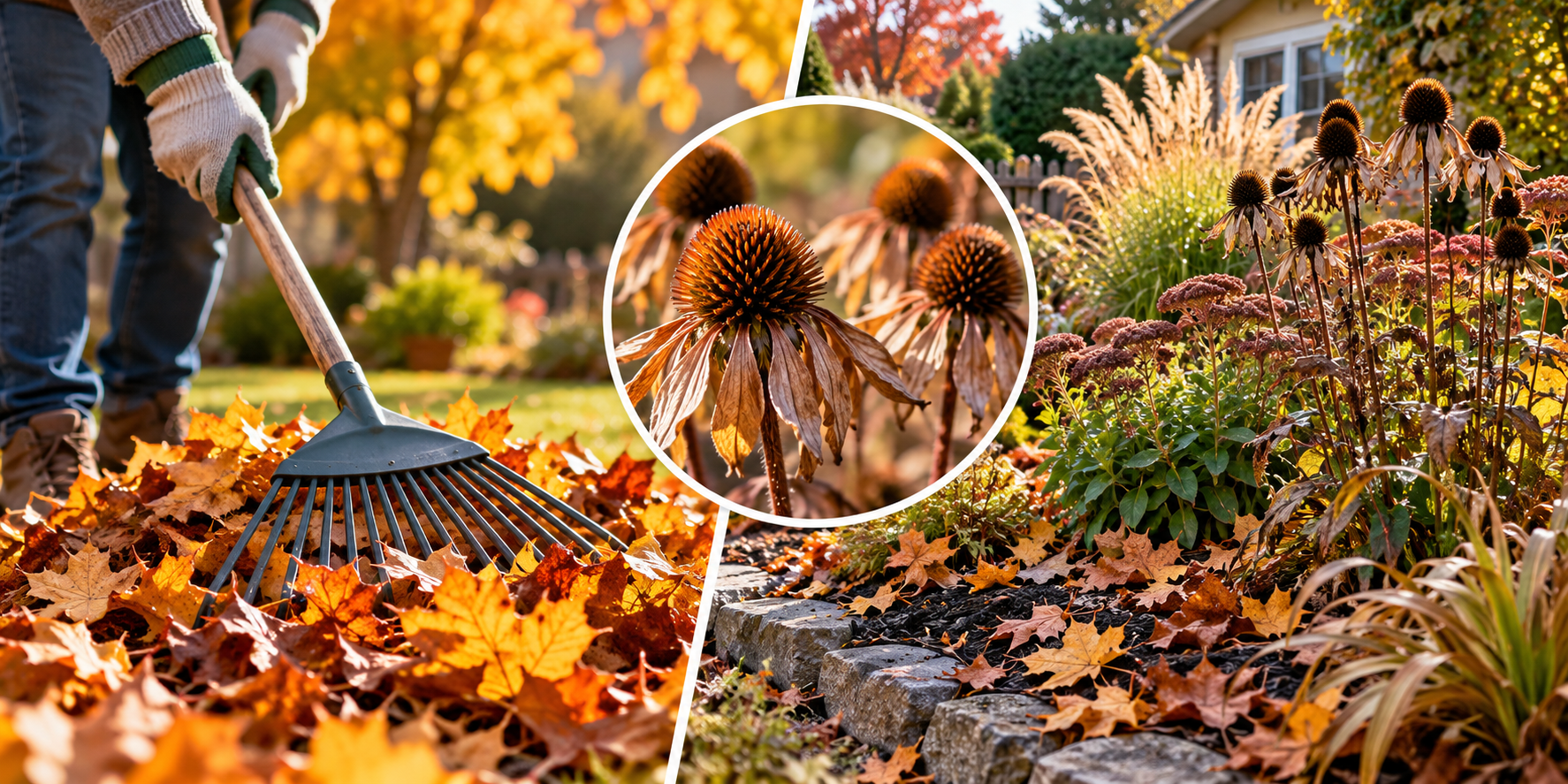
October brings cooler mornings, falling leaves, and the familiar urge to tidy up every corner of the garden before winter arrives.
But what if some of the things you’re removing are exactly what your garden needs to thrive next spring?
Many gardeners spend hours cutting back plants, collecting leaves, and clearing flower beds, believing they’re giving their gardens a fresh start. Unfortunately, cleaning up too much can remove natural protection, disturb beneficial insects, and even reduce next year’s flowers.
Before you grab your pruning shears and rake this October, here are seven things you might want to leave alone.
1. Don’t Throw Away Every Fallen Leaf
Fallen leaves might make your garden look messy, but they are one of nature’s most valuable resources.
As leaves break down, they return organic matter to the soil, helping improve its structure and support healthy soil organisms.
A loose layer of leaves can also protect garden beds against temperature fluctuations during the colder months.
What to do instead:
- Rake excess leaves off lawns to prevent smothering the grass.
- Move healthy leaves into flower beds and around shrubs.
- Keep leaves a few inches away from tree trunks and plant crowns.
- Use shredded leaves as mulch where appropriate.
This simple October habit can reduce the amount of garden waste you throw away while helping prepare your soil for spring.
2. Stop Cutting Back Every Perennial
When perennials begin turning brown in autumn, it’s tempting to cut everything down to the ground.
However, some plants provide valuable winter habitat, while others offer seeds for birds and natural winter interest.
Coneflowers, black-eyed Susans, sedum, and many ornamental grasses can remain standing throughout the colder months.
Their stems and seed heads may shelter beneficial insects, feed visiting birds, and provide structure during snowy or frosty weather.
What to do instead:
Leave healthy perennial stems standing until spring when possible.
Remove plants or foliage affected by serious disease or pest infestations, and keep diseased debris out of your home compost unless you use a properly managed hot-composting system.
A slightly untidy flower bed can be more beneficial than a completely bare one.
3. Don’t Prune Spring-Flowering Shrubs Without Checking First
October is not the right time to prune every shrub.
Many spring-flowering shrubs have already formed the flower buds that will produce next year’s display.
Cutting them back in October can remove those buds before they ever have a chance to open.
Common examples include:
- Lilacs
- Forsythia
- Azaleas
- Many bigleaf hydrangeas
- Oakleaf hydrangeas
What to do instead:
Identify your shrub and learn whether it blooms on old or new wood.
For many spring-flowering shrubs, the best time for routine pruning is immediately after they finish blooming.
Dead, broken, or hazardous branches can be addressed when necessary.
A little patience in October can make a noticeable difference to next spring’s flowers.
4. Leave Some Seed Heads Standing
Those dried flower heads may look like the end of the growing season, but they can still serve an important purpose.
Plants such as coneflowers, black-eyed Susans, and sunflowers produce seeds that birds may eat during autumn and winter.
Standing seed heads also add natural texture and interest to the winter garden.
What to do instead:
Leave some healthy seed heads in place, especially in areas where you enjoy watching birds.
You can also collect a small amount of mature seed for future planting, provided the plant is suitable for seed saving.
Rather than clearing everything away, consider allowing part of your garden to remain a natural winter feeding area.
5. Don’t Remove All the Dead Stems
Here’s something many gardeners overlook: some native bees and other beneficial insects use hollow or pithy plant stems for nesting.
When those stems are removed or shredded too early, important nesting habitat can disappear.
Even dried stems that appear lifeless may be valuable to wildlife.
What to do instead:
Leave some standing stems in quiet areas of the garden.
Avoid cutting every stem to soil level during October cleanup.
If you need to tidy a particular area, consider moving suitable cut stems to a sheltered, undisturbed corner instead of immediately shredding them.
This is one of the simplest ways to make a garden more welcoming to pollinators.
6. Don’t Leave Your Soil Completely Bare
After harvesting the last vegetables or removing spent annuals, many gardeners leave their soil exposed until spring.
But bare soil is more vulnerable to erosion, heavy rainfall, and temperature changes.
October is an excellent opportunity to protect the soil before winter weather arrives.
What to do instead:
Cover empty garden beds with suitable organic materials such as:
- Shredded autumn leaves
- Finished compost
- Clean straw
- Untreated organic mulch
In appropriate climates, you can also sow a cover crop such as winter rye or crimson clover, choosing the species and planting time for your region.
Protected soil can be easier to manage when the growing season returns.
7. Don’t Forget That October Is Still a Planting Month
One of the biggest mistakes gardeners make in October is assuming the planting season is completely finished.
In many cooler regions, autumn is an excellent time to plant certain spring-flowering bulbs.
Tulips, daffodils, crocuses, hyacinths, and alliums are among the favorites.
Cooler soil allows roots to establish before winter, while the seasonal chilling period helps many varieties prepare for spring flowering.
What to do instead:
Check your local growing zone, soil temperature, and expected freeze dates.
Choose firm, healthy bulbs and plant them in well-draining soil at the depth recommended for each variety.
In warm-winter regions, certain bulbs may require pre-chilling or special treatment.
A little planting effort in October can reward you with color when winter finally gives way to spring.
When Should You Actually Clean Up the Garden?
Leaving parts of your garden undisturbed doesn’t mean ignoring genuine problems.
October is still an important month for responsible garden maintenance.
Remove diseased foliage, manage invasive weeds before they spread, clear slippery leaves from paths, and address broken or dangerous branches.
Keep excessive leaf layers off lawns and avoid burying moisture-sensitive plant crowns under thick mulch.
The goal isn’t to abandon your garden.
It’s to understand which parts need attention and which are better left alone.
The Simple October Rule Every Gardener Should Remember
Before removing anything from your garden this fall, ask yourself one question:
Is this really causing a problem, or is it helping nature prepare for winter?
Sometimes the best thing you can do for your plants is surprisingly simple: leave a few stems standing, protect the soil, and allow healthy fallen leaves to do their work.
Your garden doesn’t need to look perfectly clean to be healthy.
And when spring returns, you may discover that a little less work in October helped create a more beautiful, wildlife-friendly garden.
Final Thought
This October, don’t rush to remove everything that looks dry, brown, or untidy. Some of those overlooked garden materials provide shelter, nourishment, and protection throughout the coldest months.
A healthier spring garden may begin with the things you choose NOT to remove this fall.