Plants
Planting Spring Bulbs This October? Avoid These 7 Mistakes
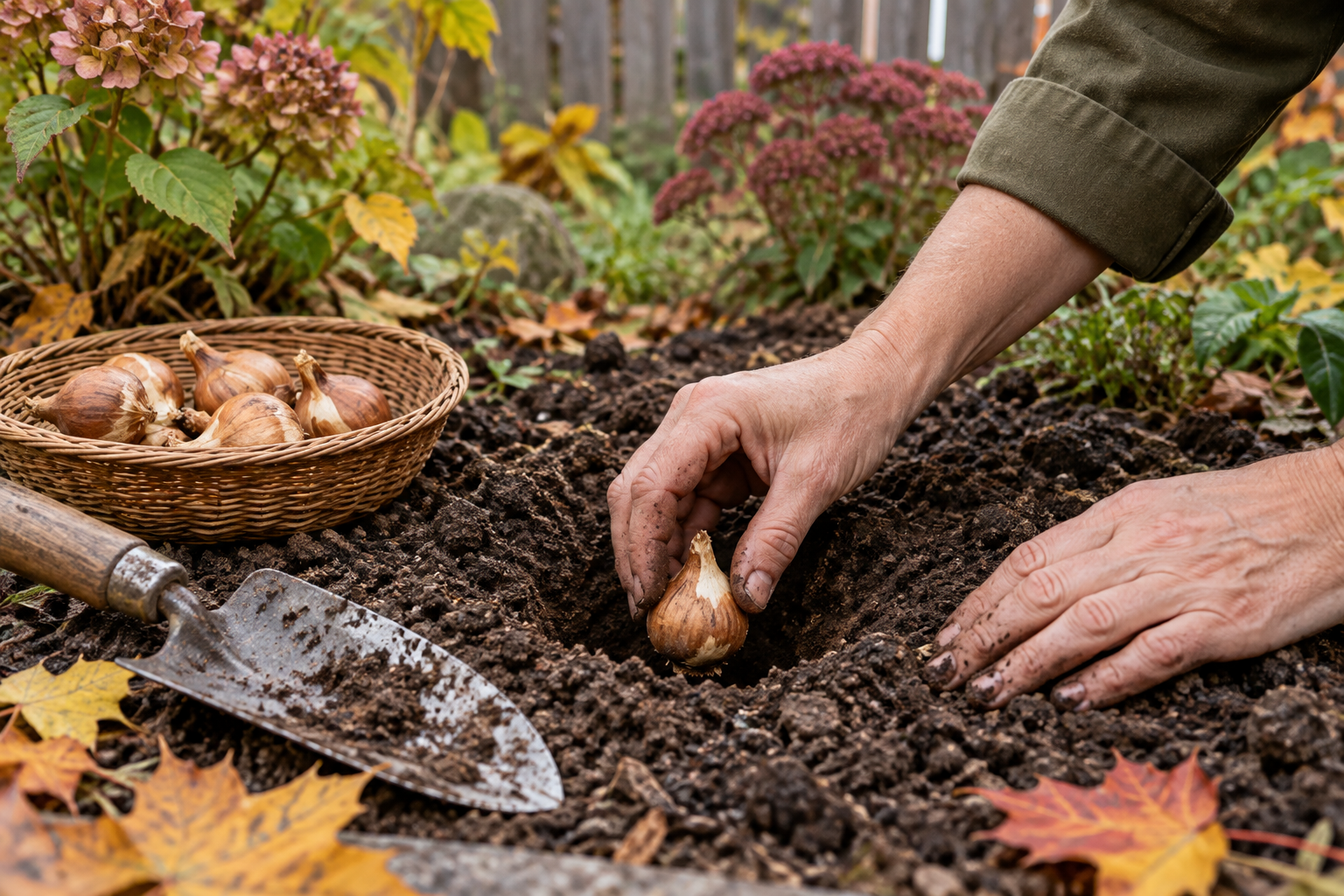
A basket of flower bulbs might not look like much in October. But beneath those papery skins is the beginning of the garden you will want to see when winter finally loosens its grip.
Before you start digging, a few small decisions deserve your attention. The planting spot, the depth of each hole, and even what you do with the leaves next spring can make a difference.
The quick answer: choose healthy bulbs suited to your climate, plant at the right local time in well-drained soil, follow the recommended depth, and leave the foliage to fade naturally after flowering.
This guide focuses on fall planting in the United States. October is a useful planting window in many regions, but local conditions matter more than the calendar.
1. Treating October as a deadline for every garden
Your garden may be cooling down while someone else’s still feels like summer. In cold climates such as Minnesota, the usual planting season can run from mid-September to mid-October. In Iowa, October is often ideal.
Check local extension guidance and the requirements of your chosen bulbs. In warm-winter areas, ask your supplier whether a variety needs pre-chilling or whether a locally adapted alternative would be a better choice. Aim to give bulbs time to establish roots before the soil freezes.
2. Choosing the prettiest packet instead of healthy bulbs
The photograph sells the dream; the bulb determines what you actually plant. Look for firm, plump bulbs with an intact base. Skip bulbs that feel soft or show mold or obvious damage.
Until planting, keep them dry, out of direct sunlight, and ventilated. A forgotten bag in a damp corner is a poor start for next spring’s display.
3. Planting where water sits after rain
A bare patch beside the path might look perfect, but check what happens there after a downpour. Most spring bulbs need good drainage, and prolonged wetness can lead to rot.
Choose a spot that drains freely. When improving the soil, prepare the planting area rather than making a tiny amended pocket surrounded by compacted ground. If a site stays waterlogged, choose another location.
Think about spring light, too. A place beneath a deciduous tree can receive useful sunlight before the canopy fills in, but bulbs also need light while their leaves remain green.
4. Digging the same hole for every bulb
A small crocus corm and a large daffodil bulb should not automatically go at the same depth. Read the package instructions for the variety you bought.
A common guide for spring bulbs is a planting depth of two to three times the bulb’s height, measured from the soil surface to the bulb’s base. Individual instructions and soil conditions take priority. Position tulips and daffodils with the pointed end upward and the root plate underneath.
5. Scattering too few flowers across a large bed
One tulip here and one daffodil there can disappear visually once the rest of the garden wakes up. Planting in groups creates a clearer splash of color.
Try a cluster of at least five of the same large-flowered variety, following its spacing instructions. If your budget allows, a larger group can have more impact. Check flowering times when combining varieties so you know whether you are designing one display or a sequence of blooms.
A simple design idea: repeat one favorite color near the entrance, along a short path, and beside a seating area. Repetition can make a modest planting feel intentional.
6. Forgetting water—and hungry visitors
Water after planting to settle the soil around the bulbs. Continue to check moisture during dry weather, but avoid keeping the bed soggy.
If squirrels regularly excavate your beds, plan protection at planting time. A securely anchored wire barrier over the soil can discourage digging; remove temporary surface protection as shoots begin emerging. Tulips and crocuses can also attract browsing animals in spring, so protection may need to continue above ground.
7. Planning to cut the leaves as soon as flowers fade
This mistake happens next spring, but the best time to prevent it is now. Choose a planting position where you can tolerate fading foliage for a while.
Green leaves keep making food that the bulb stores for future growth. Let them yellow and wither naturally before removing them. Nearby perennials can soften the view without requiring you to cut the bulb leaves early.
Also, keep expectations realistic: not every tulip returns equally well. Darwin hybrids and species tulips are often better candidates for repeat flowering than many showier varieties.
Start with one spot you will notice every day
You do not need to redesign the whole garden this autumn. Pick a visible corner, choose a small group of suitable bulbs, and get the basics right. Add a discreet marker so you remember where you planted them.
Then imagine the moment the first shoots break through that quiet patch of soil. A little care now gives that spring scene a better beginning.
Which would you choose for your first spring display: tulips, daffodils, or crocuses?