Growing Vegetables
Growing These 7 Vegetables? Avoid These October Gardening Mistakes
Before you pull up your vegetable plants or leave everything outside for another week, take a closer look. October can be a turning point in the garden: some crops need harvesting before frost, while others still have plenty to offer.
The mistake is treating every vegetable the same. Clearing a healthy broccoli plant too early can mean losing another harvest. Leaving tomatoes outside too long can mean losing the fruit you already have.
This guide is for fall gardens in temperate parts of the United States and Canada. Follow your local forecast and planting calendar: October conditions vary widely, and these fall tips do not apply to spring gardens in Australia.
1. Tomatoes: Don’t Wait for Every Fruit to Turn Red Outdoors
When frost is approaching, waiting for the last green tomatoes to change color on the vine is a gamble. A few warm afternoons do not guarantee safe overnight temperatures.
What to do instead: Pick ripe tomatoes and sound, full-size green fruit before frost arrives. Bring the mature green tomatoes indoors to finish ripening, and check them regularly for decay. Small, immature fruit may not ripen successfully.
Let the forecast decide when to make your final harvest—not the hope of one more sunny day.
2. Garlic: Don’t Plant in a Soggy Bed Just Because It’s October
Fall is a useful planting season for garlic in many regions, but the right month cannot make up for poor drainage. A bed that stays waterlogged is a poor starting point for cloves that will spend winter underground.
What to do instead: Choose well-drained soil and garlic suited to your climate. Separate the cloves shortly before planting and set them pointed end up. Follow local guidance for planting time and winter mulch rather than using one nationwide October deadline.
For example, Minnesota Extension recommends planting about one to two weeks after the first killing frost. Warmer regions can have a different schedule.
3. Carrots: Don’t Assume Frost Means You Must Pull Them All
Established fall carrots do not necessarily need harvesting just because the first frost is forecast. In suitable conditions, they can remain in the bed for later picking.
What to do instead: Harvest roots as they reach the right size for the variety. If you plan to leave some in the ground, insulate the bed with straw or shredded leaves before the soil freezes.
Where the ground freezes deeply, harvesting and storing the crop may be more practical. Also, do not confuse keeping established carrots with sowing a new crop: fall carrots generally need planting well before October in cold regions.
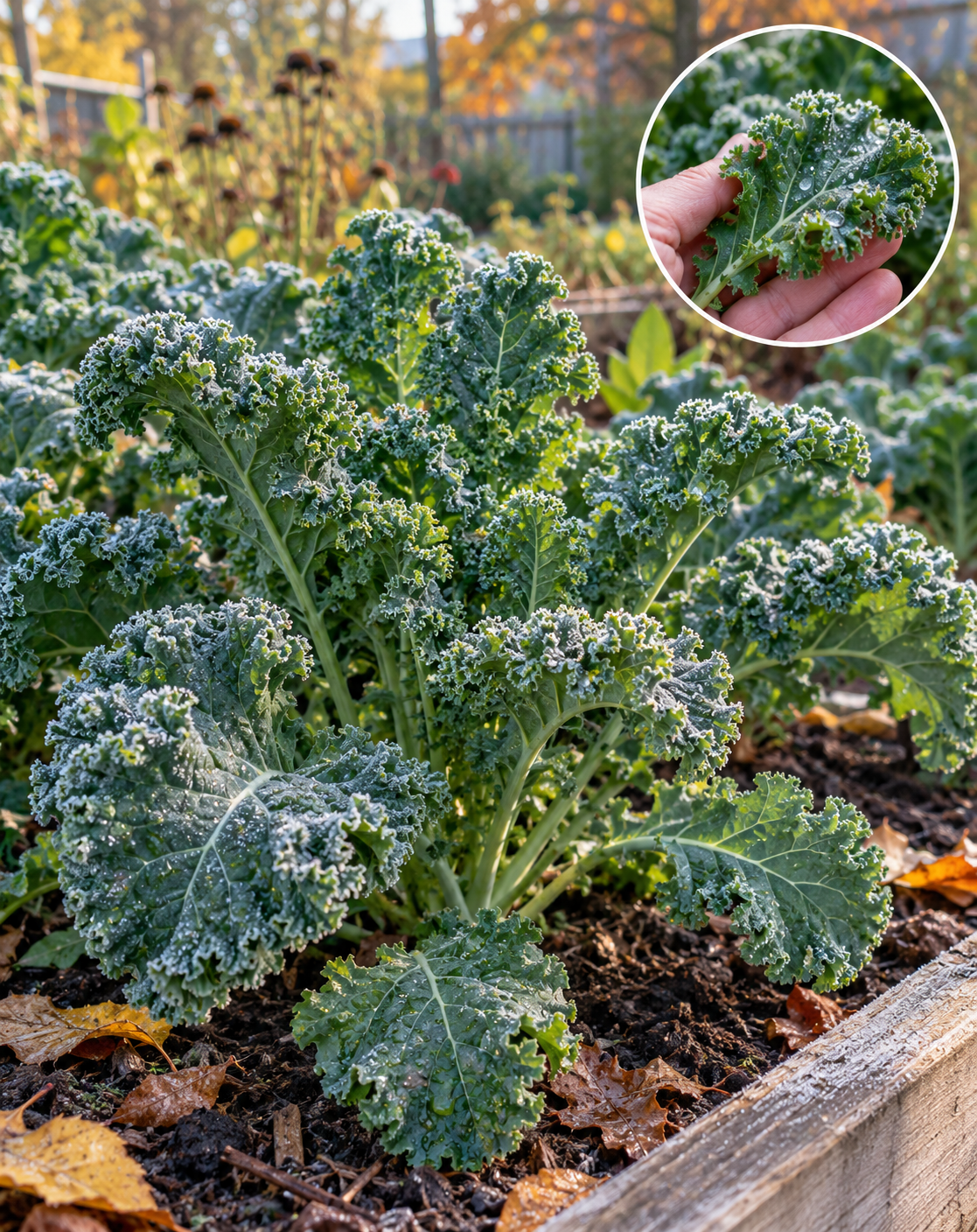
4. Kale: Don’t Clear Healthy Plants After the First Light Frost
A cold night is not automatically the end of kale season. Established kale is much more cold-tolerant than summer crops, so removing healthy plants during an October cleanup can waste useful food.
What to do instead: Keep harvesting usable leaves while the plants remain healthy. Watch the weather as colder conditions develop, and remember that hardiness depends on the variety, plant condition, and length of the freeze.
Cold tolerance buys you time; it does not mean every kale plant can survive every winter unprotected.
5. Spinach: Don’t Pull Up the Whole Plant for a Few Leaves
If you want repeat harvests, uprooting spinach at the first picking ends that opportunity. Healthy plants can produce additional leaves when the growing crown remains intact.
What to do instead: Pick full-size outer leaves while preserving the center of the plant. Use appropriate row cover or a cold frame to extend the season where needed.
In some climates, protected late plantings can overwinter and resume growth in spring. Do not assume newly sown October spinach will deliver a large harvest before winter; shorter days and cold weather slow growth.
6. Broccoli: Don’t Remove the Plant Immediately After Cutting the Main Head
That first head may not be the final harvest. Many broccoli varieties produce smaller side shoots after the central head is removed.
What to do instead: Leave healthy plants in place and watch for side shoots, provided your variety and remaining growing season allow it. Harvest while the buds are still tight, before the florets open into yellow flowers.
Plants that are badly diseased or finished producing should be removed. But a healthy stem with developing side shoots deserves another look before it goes into the cleanup pile.
7. Lettuce: Don’t Mistake Light-Frost Tolerance for Winter Protection
Lettuce enjoys cool weather and can tolerate light frost, but that does not make an exposed bed dependable through repeated hard freezes.
What to do instead: Harvest usable leaves and prepare suitable protection before colder weather arrives. A row cover or cold frame can help extend the season, although the protection it provides has limits.
Be realistic about new sowings, too. In some regions, protected October lettuce is a crop to overwinter for spring growth rather than a quick route to full-sized heads before winter.
Before You Clear the October Vegetable Garden
Walk through your beds with three questions: What needs harvesting before frost? What can keep producing? What needs protection?
Save the tomatoes that are ready, give healthy cool-season crops the time they need, and choose your garlic planting spot carefully. A little attention now can prevent an unnecessary end to your harvest.