Plants
7 Native Perennials to Plant in September for Hummingbirds Next Year
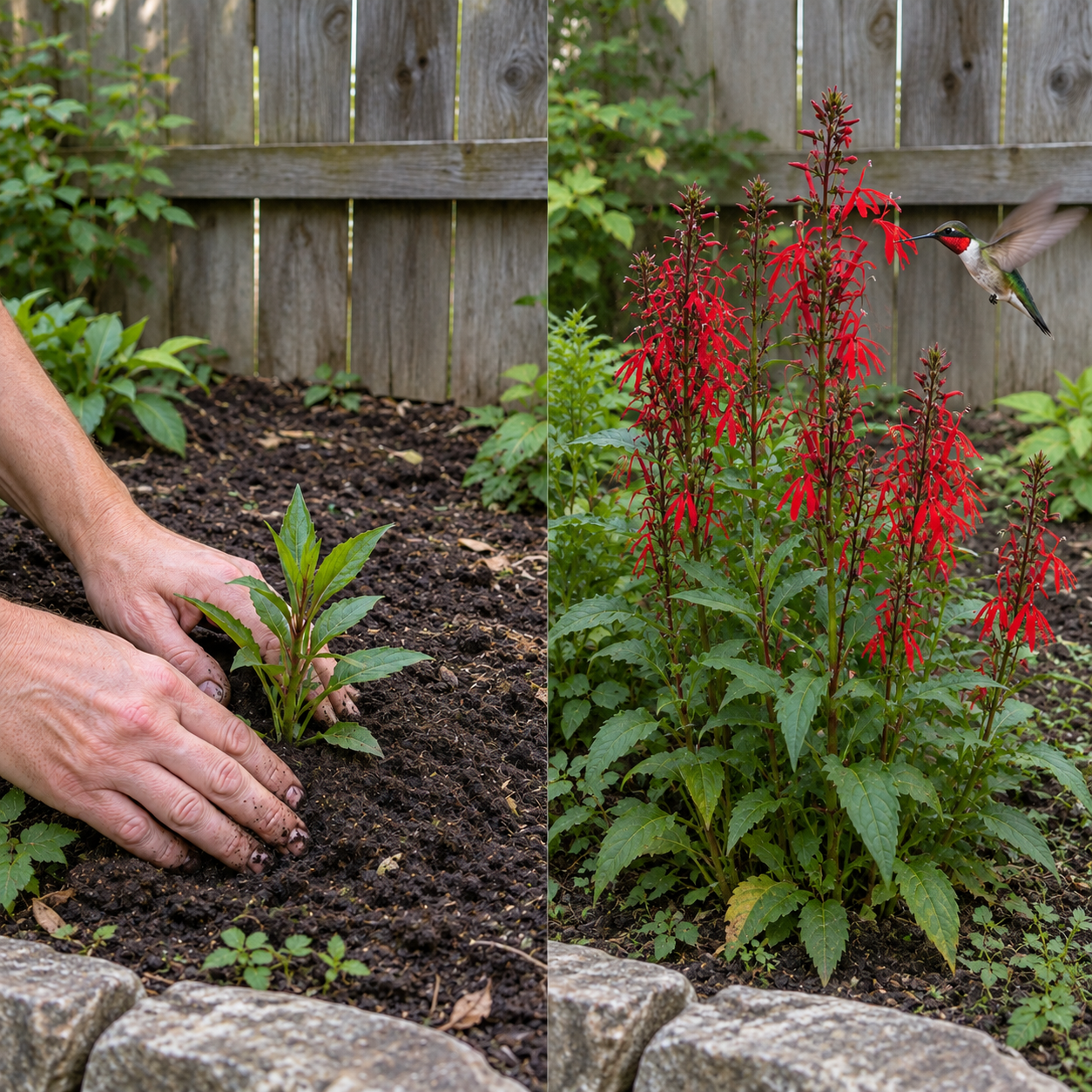
September is not the end of the gardening season—it may be one of the best times to build a garden that comes alive next year.
As summer flowers begin to fade, hummingbirds need reliable sources of nectar to fuel their fall migration. At the same time, cooler air and warm soil create ideal conditions for many native perennials to establish strong roots without the stress of intense summer heat.
Plant the right flowers now, and you can enjoy a colorful, lower-maintenance garden that welcomes hummingbirds, bees, and butterflies for years to come.
Important: Choose species native to your particular region. A plant native to one part of North America may not be native—or suitable—in another. Check your USDA hardiness zone and local native-plant resources before buying.
Why September Is a Smart Time to Plant Perennials
Early fall often gives new perennials a valuable combination: cooler temperatures above ground and soil that is still warm enough for root growth. Plants can direct more energy toward establishing roots instead of coping with summer heat or producing flowers.
Fall planting can also mean:
- Less heat stress and slower moisture loss
- Fewer weeds competing with young plants
- Earlier growth and stronger flowering next season
- A dependable late-season food source for pollinators
Aim to plant about four to six weeks before the ground normally freezes. In very cold regions, plant as early in September as possible. Gardeners in mild climates may have a longer planting window.
1. Cardinal Flower (Lobelia cardinalis)
Few plants catch a hummingbird’s attention as quickly as cardinal flower. Its tall spikes of brilliant red, tubular blossoms are perfectly shaped for a hummingbird’s long bill.
Cardinal flower is an excellent choice for rain gardens, pond edges, and other areas where the soil remains consistently moist. It generally performs well in partial shade but can tolerate more sun when it receives enough moisture.
Best for: Moist soil and partial shade
Typical bloom time: Mid-to-late summer
Planting tip: Do not allow the root zone to dry out while the plant becomes established.
2. Bee Balm (Monarda spp.)
Bee balm produces shaggy clusters of red, pink, purple, or lavender flowers that attract hummingbirds and many beneficial insects. Its aromatic foliage also adds texture and fragrance to the garden.
Give bee balm good air circulation, since crowded or damp foliage can encourage powdery mildew. Look for a species suited to your region and a mildew-resistant selection when available.
Best for: Full sun to light shade and well-drained soil
Typical bloom time: Summer into early fall
Planting tip: Space plants according to their mature width rather than crowding them for an instant display.
3. Native Asters (Symphyotrichum and Eurybia spp.)
Native asters are among the most valuable flowers in the fall garden. Their clouds of blue, purple, pink, or white blooms provide nectar when many summer plants have already finished flowering.
Different aster species suit different conditions, from sunny borders to lightly shaded woodland edges. Select one native to your area and allow enough room for its mature height and spread.
Best for: Conditions vary by species
Typical bloom time: Late summer through fall
Planting tip: Pair asters with goldenrod for a striking combination of purple and gold.
4. Anise Hyssop and Hummingbird Mint (Agastache spp.)
With upright flower spikes and fragrant foliage, Agastache brings height, color, and movement to a sunny bed. Its tubular blossoms are especially appealing to hummingbirds.
Most types prefer excellent drainage and dislike sitting in wet winter soil. Choose a locally native species because cold tolerance and moisture needs vary considerably across the genus.
Best for: Full sun and freely draining soil
Typical bloom time: Summer through early fall
Planting tip: Avoid placing the crown too deeply or piling wet mulch directly against it.
5. Blazing Star (Liatris spp.)
Blazing star sends up distinctive wands of purple, rose, or white flowers. The blooms open along tall spikes and create a dramatic vertical accent among softer, mounded plants.
Some species thrive in dry prairie-style gardens, while others prefer more moisture. Matching the species to your soil is the key to long-term success.
Best for: Full sun; soil needs vary by species
Typical bloom time: Summer into early fall
Planting tip: Plant several together for a stronger visual display and a more noticeable nectar stop.
6. Beardtongue (Penstemon spp.)
Beardtongue offers slender stems covered with bell-shaped or tubular flowers. Depending on the species, blooms may be red, pink, lavender, purple, or white.
Many penstemons prefer sunshine, lean soil, and sharp drainage. Rich soil and excessive watering can produce weak growth or shorten the plant’s life, so select a species adapted to your local conditions.
Best for: Sunny beds with good drainage
Typical bloom time: Spring through summer, depending on species
Planting tip: Water regularly during establishment, then follow the moisture needs of your chosen species.
7. Goldenrod (Solidago spp.)
Goldenrod is a late-season powerhouse. Its yellow flower clusters brighten the garden and support a wide range of beneficial insects. Hummingbirds may also visit while hunting tiny insects for protein and feeding among nearby nectar plants.
Goldenrod is often wrongly blamed for fall allergies. Its pollen is heavy and usually carried by insects, while wind-pollinated ragweed is a more common seasonal culprit. Choose a garden-friendly native goldenrod suited to your space, because mature size and spreading habit vary.
Best for: Full sun to partial shade, depending on species
Typical bloom time: Late summer through fall
Planting tip: Use compact selections in small beds and taller species toward the back of a border.
How to Plant Native Perennials in September
- Choose the right location. Match each plant to the site’s sunlight, soil moisture, drainage, and available space.
- Water the nursery pot first. A hydrated root ball is easier to remove and less likely to suffer transplant shock.
- Dig a wide hole. Make it roughly twice as wide as the root ball but no deeper than the roots.
- Loosen circling roots. Gently tease apart tightly wound roots before placing the plant in the ground.
- Keep the crown at soil level. Planting too deeply can cause crown and root problems.
- Backfill with the original soil. Firm it gently to remove large air pockets, but do not compact it heavily.
- Water deeply. Keep the soil evenly moist—not waterlogged—while roots establish and until the ground freezes.
- Add two to three inches of mulch. Leave a small gap around stems and crowns to prevent trapped moisture and rot.
Create a Hummingbird-Friendly Planting, Not Just a Flower Bed
A single plant can help, but a layered garden is easier for hummingbirds to find and use. Plant flowers in groups of three or more, include several bloom shapes and heights, and select species that flower at different times.
You can make the space even more useful by adding:
- A clean, shallow water source or gentle mister
- Small trees or shrubs for shelter and perching
- An open view so birds can watch for danger
- A pesticide-free area rich in tiny insects
- A properly maintained nectar feeder during migration
If you use a feeder, fill it with plain white sugar dissolved in water at a ratio of one part sugar to four parts water. Do not add red dye, honey, or artificial sweeteners. Clean the feeder frequently, especially during warm weather.
Common Fall-Planting Mistakes to Avoid
Planting too late: Roots need time to begin establishing before the soil freezes.
Choosing by appearance alone: A beautiful plant will struggle if its light, moisture, or climate needs do not match the site.
Using a plant labeled “native” without checking its range: North America is vast. Confirm that the species belongs in your region.
Adding fertilizer at planting time: Tender new growth is not the goal in fall. Unless a soil test indicates a deficiency, focus on roots, moisture, and mulch.
Cutting everything down immediately: Standing stems and seed heads can provide winter shelter and food for wildlife. Leave healthy growth where practical and tidy the garden in spring.
Frequently Asked Questions
Will these plants bloom immediately after fall planting?
Some nursery-grown plants may carry a few flowers, but the main benefit comes later. Fall-planted perennials concentrate on roots and normally provide a fuller display in future seasons.
Should I fertilize newly planted perennials?
Usually not. Good siting, proper planting depth, consistent moisture, and mulch matter more. Test the soil before adding fertilizer.
Can I plant after the first light frost?
Possibly, as long as the soil remains workable and there is enough time for roots to begin establishing. In cold regions, earlier planting is safer.
Are all seven plants suitable for every garden?
No. Native range, hardiness, soil moisture, mature size, and sunlight requirements differ. Select locally appropriate species rather than trying to grow every plant on the list.
Final Thoughts
A little planting in September can turn next year’s garden into a dependable refuge for hummingbirds and other pollinators. Start with two or three locally native perennials that match your conditions, plant them in visible groups, and combine early-, mid-, and late-season bloomers.
The payoff is more than a beautiful border. You will create a garden that returns each year, demands less intervention once established, and provides real support for wildlife when it matters most.