Plants
7 Plants You Should Never Prune in September
September often inspires gardeners to tidy flower beds and cut back plants before winter. But pruning the wrong plant now can remove next year’s flower buds, reduce winter protection, or eliminate valuable food and shelter for wildlife.
Before reaching for your pruning shears, discover which plants are better left alone until the correct season.
1. Bigleaf Hydrangeas
Bigleaf hydrangeas usually bloom on old wood—the stems produced during the previous growing season. By September, many varieties have already formed the buds that will become next summer’s flowers.
Heavy fall pruning may leave you with a healthy green shrub but very few blooms.
Leave the branches and dried flower heads in place through winter. Remove only dead, diseased, or broken wood. If shaping is necessary, prune shortly after flowering next summer.
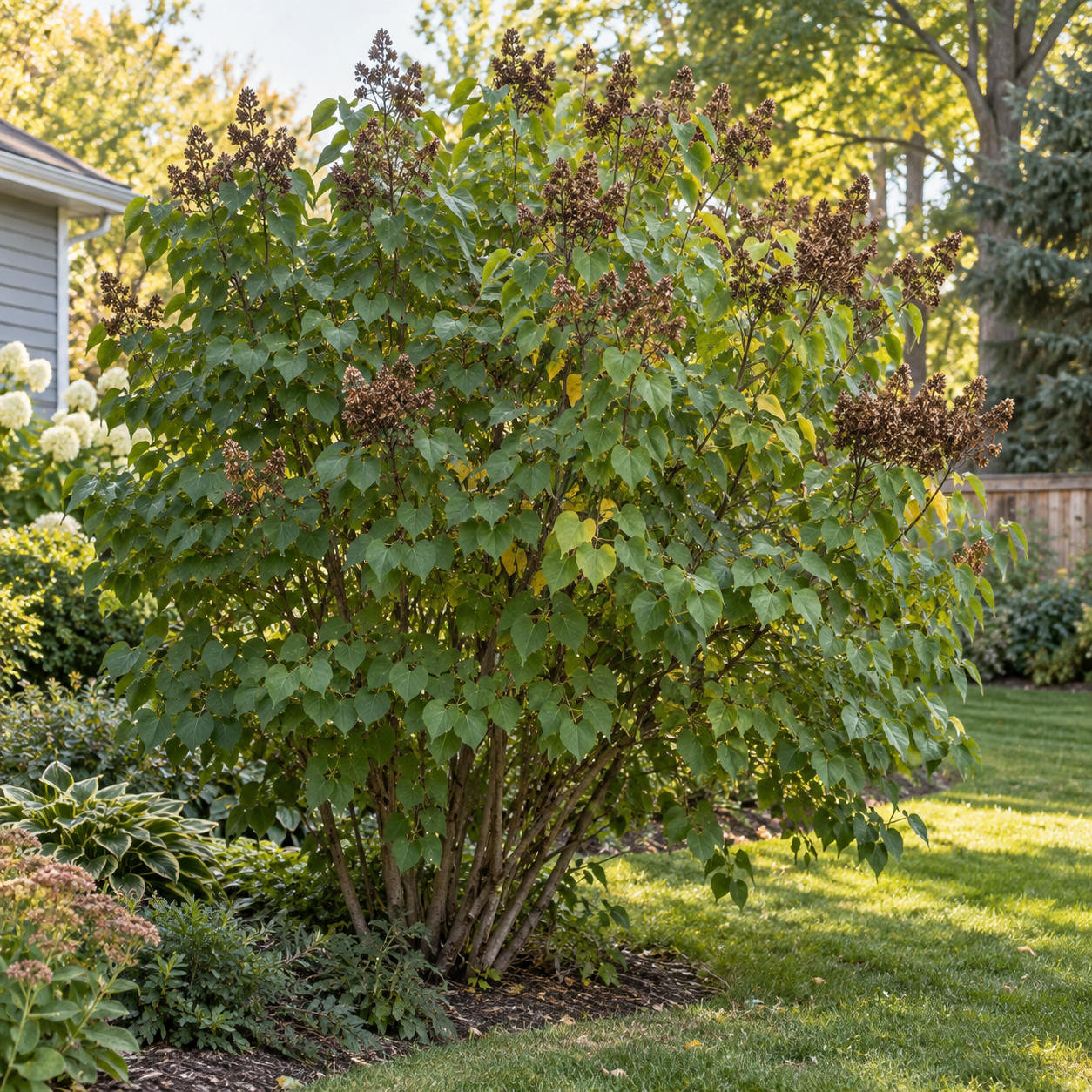
2. Lilacs
Lilacs begin developing next spring’s flower buds soon after their current flowers fade. Cutting branches in September can remove those hidden buds.
Wait until the shrub finishes flowering in spring. Then remove old flower clusters and thin out a few of the oldest stems if the plant has become crowded.
Avoid cutting the entire shrub into a tight shape. Lilacs look and flower best when allowed to maintain their natural form.
3. Azaleas and Rhododendrons
These popular spring-flowering shrubs also carry next year’s buds through fall and winter. The buds may already be visible near the ends of the branches.
Pruning them in September means cutting away part of the next flower display.
If the shrubs need reshaping, do it soon after flowering ends. In fall, limit your work to removing damaged or diseased branches.
4. Forsythia
Forsythia produces its bright yellow spring flowers on old wood. Its flower buds develop long before winter arrives, so September pruning can dramatically reduce the number of blooms.
Prune forsythia immediately after flowering in spring. Older shrubs can be rejuvenated by removing a few of the oldest stems at ground level instead of cutting every branch to the same height.
5. Coneflowers and Black-Eyed Susans
It may be tempting to remove the dark, dried flower heads, but leaving them provides seeds for birds during fall and winter.
The standing stems also give the garden structure and may provide habitat for beneficial insects. Cut them back in spring when new growth begins to emerge.
If a plant shows signs of serious disease, remove and discard the affected material rather than leaving it in the garden.
6. Ornamental Grasses
Ornamental grasses offer movement, texture, and beautiful seed heads during winter. Their old foliage can also help protect the crown of the plant from cold weather.
Tie the foliage loosely if it begins to spread, but wait until late winter or early spring to cut it back. Trim it before fresh green shoots become tall enough to be accidentally damaged.
7. Russian Sage
Russian sage can suffer winter damage when it is cut back too early. Leaving the old stems standing helps catch leaves and snow around the plant, providing some natural protection.
Wait until early spring, when new growth starts appearing near the base. Then cut the old stems back to approximately 6–12 inches above the soil.
What Can You Safely Remove in September?
You do not have to leave the entire garden untouched. September is a good time to remove:
- Dead, broken, or diseased branches
- Diseased leaves lying around plants
- Collapsed annual flowers
- Weeds before they produce seeds
- Soft or rotting fruit
- Plants affected by severe pest infestations
Always clean pruning tools before moving between plants. Sharp, clean tools create smoother cuts and reduce the risk of spreading disease.
The Simple Fall Pruning Rule
Before pruning any flowering shrub, find out whether it blooms on old wood or new wood.
Plants that bloom on old wood usually form their flower buds during the previous summer or fall. Pruning them in September can remove next year’s flowers.
Plants that bloom on new wood produce flowers on fresh spring growth and are generally pruned during dormancy or in early spring.
When you cannot identify the plant or variety, waiting is usually safer than making a heavy fall cut.
Final Thoughts
A perfectly tidy garden is not always the healthiest garden. Leaving selected stems, seed heads, and grasses standing can protect plants, feed birds, and provide shelter for beneficial insects.
This September, put down the pruning shears around these seven plants. A little patience now could reward you with healthier growth and many more flowers next season.