Plants
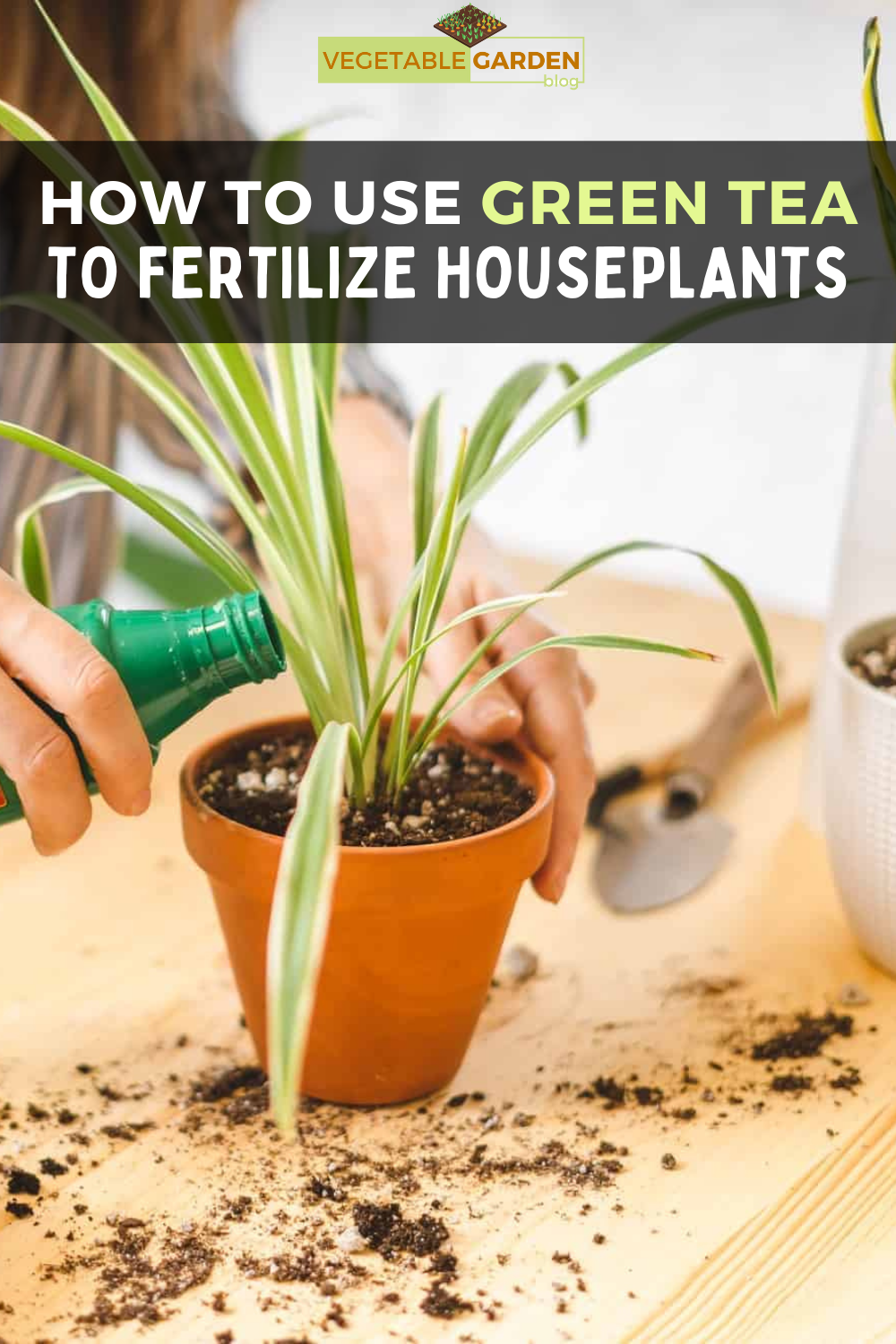
How To Use Green Tea To Fertilize Houseplants

Homemade green tea houseplant fertilizer can help to make your indoor plants happy and healthy. Homemade plant food is a great way for you to reuse the leftover leaves from making cups of green tea or using used teabags that are just sitting there on your countertop, collecting dust.
Here are some tips you can use to nourish your plants with green tea.
Tea leaves are a great way to fertilize your indoor plants. They contain potassium, calcium, magnesium and phosphorus which help houseplants grow faster and stay healthy. When they break down slowly in the soil these nutrients create a steady supply that will keep them going for quite some time! You can make a liquid fertilizer for your indoor plants with green tea, or you may try any of the following methods.
Green tea fertilizer – Not for all plants
The tannic acid in green tea has the ability to lower the pH levels of soil, making it more acidic. According to Live Science, some houseplants prefer acidic soils and others like neutral or alkaline conditions best; so using this organic fertilizer according to your plant’s needs is key! Some common plants that love an acidic environment are amaryllis, african violets, ferns (especially creeping), jade plants and christmas cactus.
How to use green tea leaves to fertilize your indoor plants
1. Green tea mulch
After you’ve brewed your tea, place the used teabag on top of any plants in need of a bit more fertilizer. Using loose leaf tea to make your favorite drink is a great way of getting the most out of what you have. Not only do these leaves provide flavor, they also help nourish plants! If you want to put some in your garden, just empty them from the teapot once it has cooled and placed them on top or near soil so that when they decompose into fertilizer for all plants nearby.
2. Green tea liquid fertilizer
If you are a tea drinker, make sure to save those used bags because they can actually be transformed into an easy and inexpensive liquid fertilizer for your plants. Simply soak the teabags in water for about 30 minutes before watering it on your houseplants with nutrient rich green tea water.
3. Green tea compost
Add used tea bags to your garden compost pile for a fresh, organic source of fertilizer. A Bokashi compost system also reduces your need to worry about the smell or mess of traditional methods.
This amazing device will break down your kitchen scraps, coffee grounds and tea bags in just a couple of weeks into rich liquid that can be diluted with water for houseplants’ needs! A compact Bokashi composting system allows you to reduce the amount of time it takes as well as any smells from breaking down food items such as old vegetables, beef bones, fruits skins and eggshells more efficiently without making much fuss at all.
If you’re a tea enthusiast, chances are that your compost bin is overflowing with polyester and plastic bags. It’s best to avoid this unpleasant situation by removing staples from the tea bag before dumping them in the composter.
When to fertilize indoor plants with green tea
Houseplants need a little extra love during the spring and summer months, so don’t forget to fertilize them! You can use green tea water as often as you think your plants need it. A few times per month should be enough for most houseplants.
The cold winter months are the perfect time to fertilize your plants. Plants use this time of year as a chance for rest and growth, so it’s important not to interrupt their natural process by over stimulating them with fertilizer.
Effect of caffeine on plant growth
Green tea contains a small amount of caffeine, which is less than coffee. Some studies have shown increased plant growth with the addition of this stimulant; however other data found that it can cause plants to wilt and grow more slowly so use caution. In order to fertilize the soil in your garden, you can use green tea leaves. However, this does not mean that they will contain any caffeine!
The ingredients for brewing and composting must be low-caffeine as well; otherwise, it is possible to cause some issues with plants when there are high amounts of caffeine present. If you grow plants indoors, then the solution for free fertilizer is right under your nose! The leaves of tea are a great way to give these little green friends some extra nutrients.
Mixing green tea with other natural fertilizers like eggshells or compost will ensure that all their bases are covered and they’ll get what they need no matter where it comes from.


You must be logged in to post a comment Login