Plant Care, Soil & Tips
6 Hydrangea Care Tasks to Tackle in March (Before New Growth Appears)
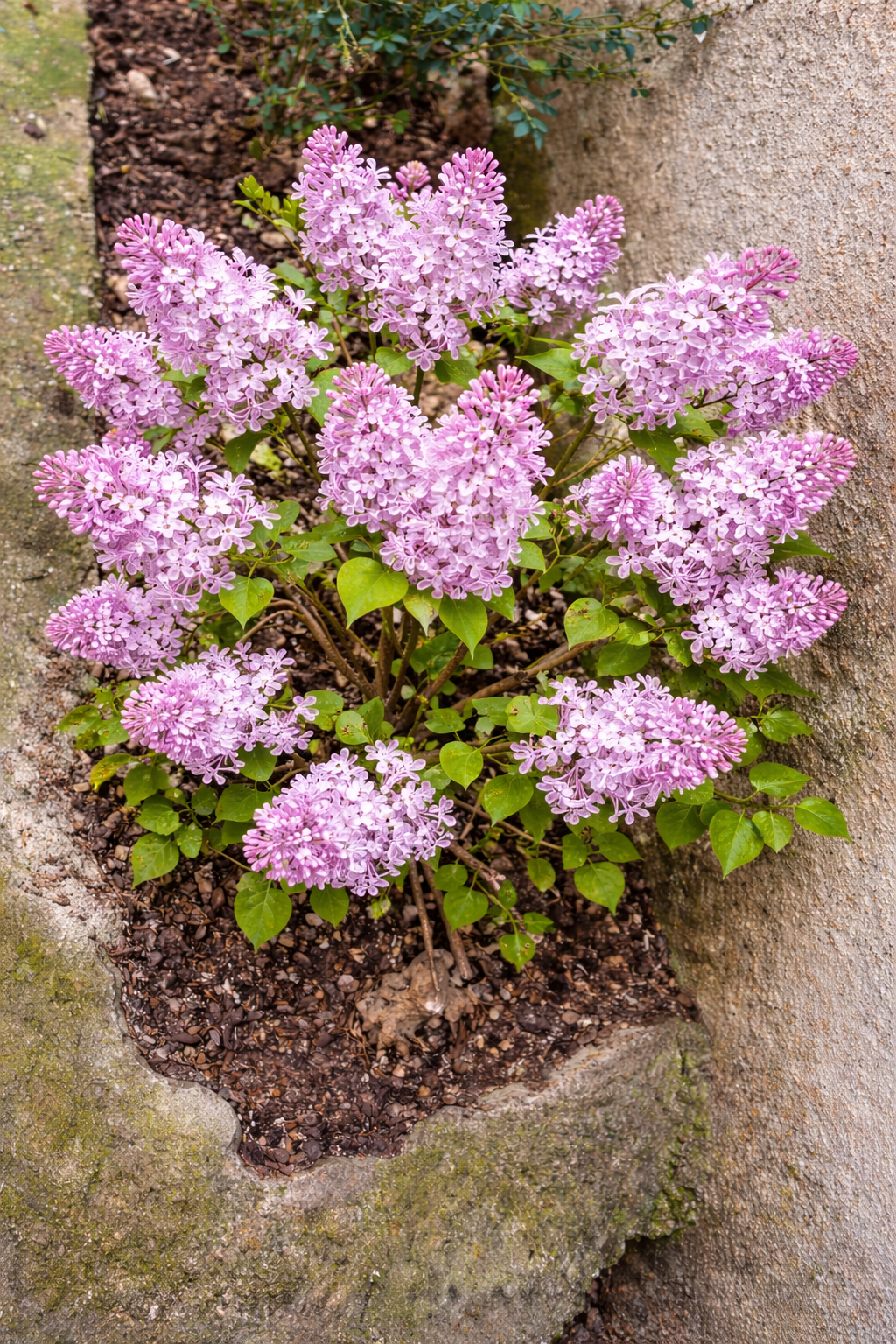
March is one of the most important months for preparing hydrangeas for the growing season. Before fresh leaves and stems start emerging, a few simple care tasks can make a huge difference in how healthy and full your plants look in summer.
If you take a little time now, your hydrangeas will reward you with stronger growth and bigger blooms later in the season.
Here are six essential hydrangea care tasks to handle in March before new growth appears.
1. Remove Winter Protection
If you covered your hydrangeas with burlap, straw, leaves, or frost cloth during winter, March is usually the right time to remove that protection.
Leaving winter covers on too long can trap moisture and cause mold or rot around the plant.
Carefully remove mulch piles or coverings around the stems and allow the soil and plant to breathe again. However, keep the materials nearby in case a late frost appears.
2. Prune Dead or Damaged Stems
Winter can leave hydrangea stems dry, broken, or damaged. Early March is the perfect time to inspect your plant.
Use clean, sharp pruning shears and:
-
Remove dead or brittle stems
-
Cut back winter-damaged growth
-
Trim stems down to healthy green wood
This helps direct the plant’s energy toward strong new growth.
Tip: Always prune just above a healthy bud.
3. Clear Away Old Leaves and Debris
Dead leaves and garden debris around your hydrangeas can hide pests and diseases.
Take a few minutes to:
-
Remove fallen leaves
-
Pull small weeds
-
Clean up old mulch
This simple step improves airflow and helps keep your hydrangea healthier throughout the season.
4. Refresh the Mulch Layer
After cleaning the area, add a fresh layer of mulch around the base of the plant.
Mulch helps:
-
Maintain soil moisture
-
Suppress weeds
-
Regulate soil temperature
Use materials like shredded bark, compost, or pine needles. Keep the mulch about 2–3 inches thick and avoid piling it directly against the stems.
5. Feed Your Hydrangeas
Hydrangeas benefit from nutrients as they prepare for the growing season.
In early spring, apply a balanced slow-release fertilizer around the base of the plant. This gives the roots time to absorb nutrients before active growth begins.
Organic options like compost or well-rotted manure also work very well.
6. Check Soil Moisture
As temperatures slowly warm up, hydrangeas start waking from dormancy.
Check the soil around your plants:
-
If it feels dry several inches down, give the plant a deep watering.
-
Avoid overwatering, especially if the ground is still cold or wet from winter.
Consistent moisture helps hydrangeas produce strong stems and healthy foliage.
Final Thoughts
Taking care of hydrangeas in March doesn’t require a lot of work, but it can make a big difference once summer arrives.
By removing winter protection, pruning damaged stems, refreshing mulch, feeding the soil, and cleaning around the plant, you give your hydrangeas the best possible start to the growing season.
With these simple steps completed before new growth appears, you’ll be setting your plants up for lush foliage and beautiful blooms in the months ahead.

You must be logged in to post a comment Login