Plants
The Art of Companion Planting: 5 Plants to Avoid Near Lavender & 10 That Thrive With It
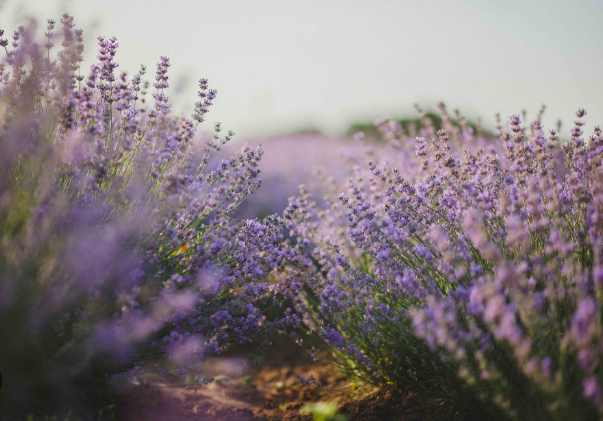
Lavender is one of the most beloved garden plants in the world. Its fragrance, silvery foliage, and violet blooms make it a staple in herb gardens, cottage borders, and Mediterranean landscapes.
But despite its beauty and toughness, lavender is surprisingly particular about its growing conditions.
The key to successful companion planting with Lavender is understanding its native environment.
Lavender evolved in dry, rocky regions with intense sun, fast-draining soil, and minimal rainfall. It thrives in lean soil, dislikes excess nutrients, and is highly sensitive to wet roots.
When planted next to species that demand constant moisture or rich soil, lavender often declines. Yellowing leaves, weak growth, fungal disease, and eventual dieback are common symptoms of poor companion choices.
5 Plants to Avoid Planting Near Lavender
These plants either require too much water, too much shade, or too much soil fertility – all conditions that conflict with lavender’s Mediterranean preferences.
1. Hydrangea
Hydrangeas are moisture-loving shrubs that prefer consistently damp soil, especially during the growing season. Many varieties also thrive in partial shade and benefit from organically rich soil.
Lavender, by contrast, thrives in dry, well-drained soil and full sun. When planted near hydrangeas, irrigation schedules often favor the hydrangea’s needs.
That extra moisture seeps into lavender’s root zone, increasing the risk of root rot.
Additionally, hydrangeas develop dense foliage that can create microclimates of humidity – something lavender does not tolerate well.
For these reasons, hydrangeas and lavender occupy opposite ends of the moisture spectrum and are best planted in separate areas.
2. Hosta
Hostas are classic shade plants. They flourish in cool, moist soil and benefit from rich organic matter. Their large leaves transpire heavily and require steady hydration.
Lavender, on the other hand, requires intense sunlight to produce its essential oils and maintain compact growth. If placed near hostas, lavender may experience reduced sun exposure and increased soil moisture.
Furthermore, hosta beds are often mulched heavily to conserve moisture – another condition lavender dislikes. Thick mulch can trap moisture around lavender’s crown, leading to fungal issues.
The ecological environments these two plants evolved in are entirely different. Hostas belong in woodland-style gardens; lavender belongs in dry, sun-drenched borders.
3. Mint
Mint is vigorous, aggressive, and thrives in moist soil. It spreads rapidly through underground runners, often overtaking nearby plants.
Lavender grows more slowly and prefers dry conditions. If planted together, mint will likely outcompete lavender for space and alter soil moisture through frequent watering.
Mint’s rapid spread also disrupts airflow around lavender, increasing humidity at the base of the plant – a risk factor for disease.
While both are aromatic herbs, their growth habits and water needs are incompatible.
4. Impatiens
Impatiens are shade-loving annuals that require consistently moist soil to thrive. Gardeners often water impatiens beds daily in hot weather.
Lavender, exposed to that level of moisture, would quickly suffer. Impatiens also signal a lower-light environment, which directly conflicts with lavender’s full-sun requirement.
When grown together, either the impatiens will dry out or the lavender will rot. Neither plant performs optimally in the other’s conditions.
5. Ferns
Ferns thrive in humid, shaded, and moisture-rich environments. Their delicate fronds rely on consistent hydration.
Lavender demands dry air circulation and excellent drainage. In humid fern-friendly environments, lavender’s woody base is especially vulnerable to fungal diseases.
The environmental contrast between these plants makes them fundamentally incompatible companions.
10 Plants That Thrive Beside Lavender
Now let’s explore plants that share lavender’s love of sun, dry soil, and lean conditions.
1. Rosemary: A Perfect Mediterranean Match
Few plants pair more naturally with lavender than Rosmarinus officinalis, commonly known as rosemary.
Rosemary shares nearly identical environmental preferences. It thrives in full sun, prefers dry soil, and does poorly in heavy, waterlogged ground.
Like lavender, rosemary develops woody stems and narrow leaves that reduce moisture loss, making it highly drought-tolerant once established.
Because both plants dislike excessive watering and fertilizer, managing irrigation becomes simple. You won’t need to adjust care for one at the expense of the other.
Visually, rosemary’s deeper green foliage contrasts beautifully with lavender’s silvery tones. When planted together, they create a cohesive, fragrant border that feels intentional and balanced.
2. Thyme: The Ideal Low-Growing Companion
Thyme is another Mediterranean herb that thrives under the same conditions as lavender.
Thyme grows low to the ground, forming a dense mat that helps suppress weeds without trapping excess moisture.
This is important because thick organic mulches can sometimes hold too much water around lavender’s base, increasing the risk of rot. Thyme provides coverage while still allowing excellent drainage and airflow.
Since thyme also prefers full sun and lean soil, both plants can share the same watering schedule. Its low height ensures it does not block air circulation around lavender, which is essential for preventing fungal problems.
3. Sage: Textural Contrast With Shared Needs
Sage is well suited to grow beside lavender because it prefers similar soil and light conditions. Sage thrives in dry, well-drained soil and does not demand frequent watering.
Its slightly broader, velvety leaves create an appealing contrast to lavender’s fine, narrow foliage. This difference in texture enhances visual interest while maintaining ecological compatibility.
Sage also dislikes overly rich soil, making it a natural partner in gardens where fertilizer use is minimal.
4. Sedum: Drought-Tolerant and Resilient
Succulent varieties of Sedum are excellent companions for lavender because they share a deep intolerance for soggy soil.

You must be logged in to post a comment Login